















Battery technology is at the heart of the electric vehicle revolution. The type of battery used in an EV can directly affect driving range, performance, charging speed, safety, cost, weight, and lifespan.
If you are new to electric vehicles, you may also want to read our beginner-friendly guide on what an electric vehicle (EV) is and how it works.
Over the years, several battery technologies have been used in electric and hybrid vehicles. While lithium-ion and Lithium Iron Phosphate (LFP) batteries are among the most important technologies in today’s EV market, manufacturers and researchers are also developing next-generation solutions such as solid-state batteries.
In this article, we explore the main types of batteries used in electric vehicles, their advantages and disadvantages, and what they could mean for the future of electric mobility.
Why Are Batteries So Important in Electric Vehicles?
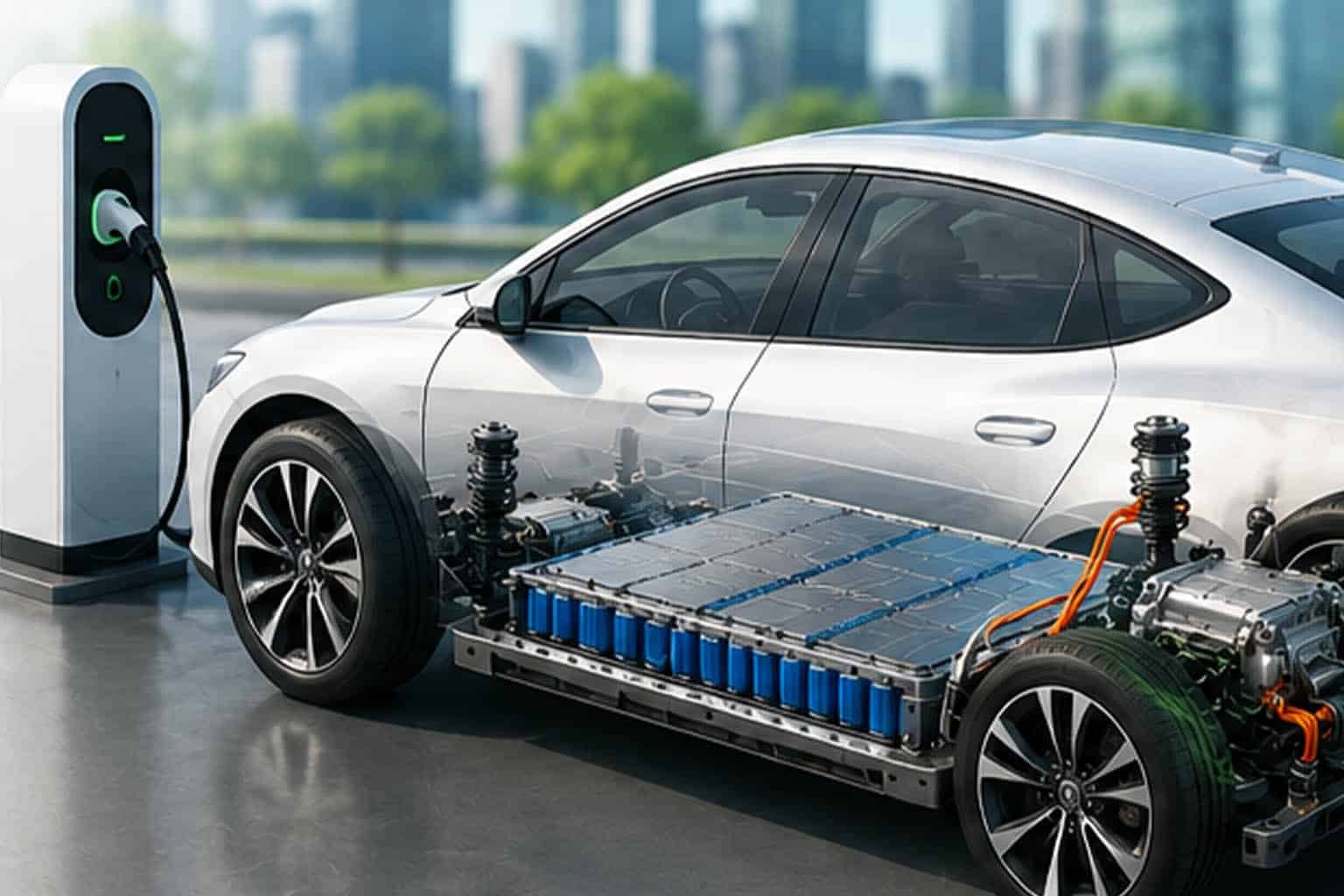
The battery pack is one of the most important and expensive components of an electric vehicle. It stores the electrical energy required to power the vehicle’s electric motor.
Battery characteristics can affect several aspects of an EV, including:
Driving range
- Higher usable battery capacity can help an EV travel farther between charges.
Charging speed
- Battery chemistry and thermal management influence how quickly the battery can safely accept energy.
Vehicle weight
- Batteries contribute significantly to the overall weight of an EV.
Performance
- Battery design influences how efficiently power can be delivered to the electric motor.
Safety
- Different battery chemistries have different thermal and safety characteristics.
Lifespan
- Battery degradation determines how well the pack retains capacity over years of use.
Modern EV batteries also rely on a sophisticated Battery Management System (BMS) to monitor battery voltage, temperature, state of charge, and overall battery health.
Let’s look at the major battery technologies associated with electric and hybrid vehicles.
1. Lead-Acid Batteries
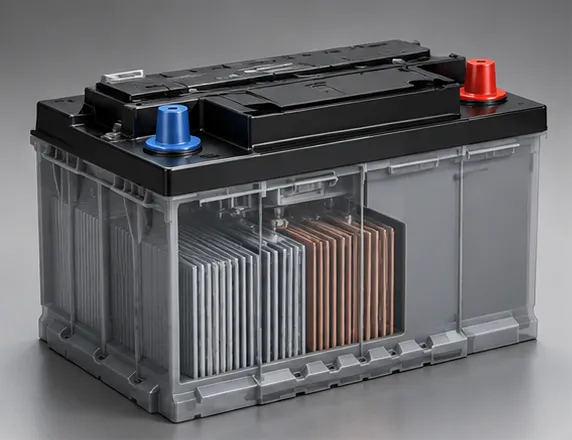
Lead-acid batteries are one of the oldest rechargeable battery technologies. They are inexpensive, reliable, and widely available, but their low energy density and heavy weight make them unsuitable as the primary traction battery for most modern passenger EVs.
Today, lead-acid batteries are more commonly associated with auxiliary electrical systems and certain specialized or low-speed applications rather than powering mainstream battery-electric vehicles.
- Proven reliability
- Good durability
- Suitable for hybrid vehicle applications
- More energy-dense than traditional lead-acid batteries
- Established technology with years of automotive use
- Lower energy density than many lithium-ion chemistries
- Relatively heavy
- Higher self-discharge than lithium-ion batteries
- Less suitable for long-range battery-electric vehicles
2. Nickel-Metal Hydride (NiMH) Batteries
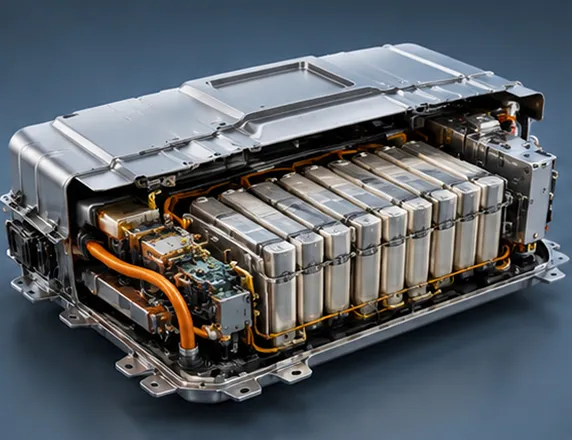
Nickel-metal hydride batteries became particularly important with the growth of hybrid electric vehicles (HEVs).
NiMH batteries offer better energy density than traditional lead-acid batteries and have proven to be durable in hybrid applications. However, they generally cannot match modern lithium-ion batteries in terms of energy density and weight, which has limited their use in newer fully electric passenger vehicles.
- Relatively low cost
- Mature and well-established technology
- Reliable performance
- Well-developed recycling infrastructure
- Heavy and bulky
- Low energy density compared with modern lithium batteries
- Limited suitability for long-range EV applications
- Generally shorter cycle life than many newer battery technologies
3. Lithium-Ion Batteries
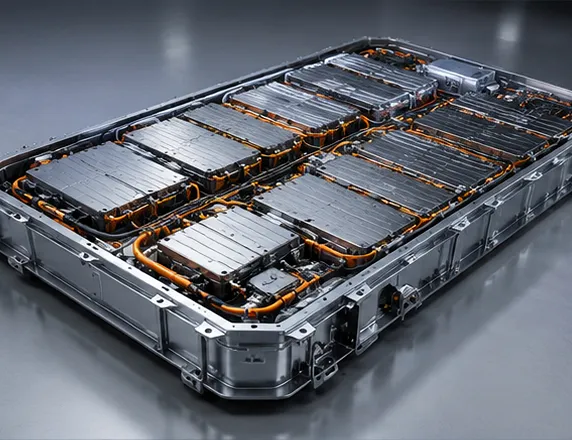
Lithium-ion batteries are the most widely used battery type in modern EVs because they offer high energy density, relatively low weight, and good performance.
Lithium-ion is actually a family of battery chemistries, with different formulations designed to balance range, cost, safety, and lifespan.
EV batteries contain many individual cells arranged into modules and packs. Learn more about EV battery architecture from cell to module to pack.
Different pack designs can also improve space utilization and efficiency. See our guide to EV battery pack layouts.
Advantages of Lithium-Ion Batteries
- High energy density
- Lightweight compared with older battery technologies
- Long service life
- Good EV performance
- Supports fast charging
Disadvantages of Lithium-Ion Batteries
- Higher cost
- Requires a Battery Management System (BMS)
- Requires effective thermal management
- High temperatures and charging habits can affect battery lifespan
4. Lithium Iron Phosphate (LiFePO₄ or LFP) Batteries
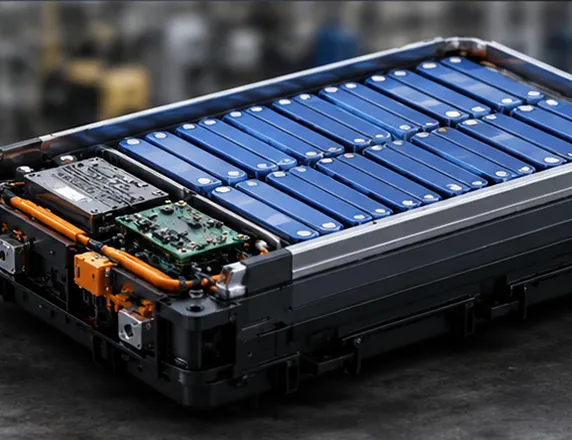
Lithium Iron Phosphate, commonly called LFP, is a specific type of lithium-ion battery chemistry that has become increasingly important in the EV industry.
LFP batteries are particularly attractive because of their thermal stability, durability, safety characteristics, and potential cost advantages. They generally have lower energy density than some nickel-based lithium-ion chemistries, but improvements in battery pack design have helped make LFP a practical option for many electric vehicles.
Advantages of LFP Batteries
- Strong thermal stability
- Long cycle life
- Good safety characteristics
- Does not require nickel or cobalt in the cathode
- Well suited to many high-volume and cost-sensitive EV applications
Disadvantages of LFP Batteries
- Generally lower energy density than some other lithium-ion chemistries
- May require a larger or heavier pack to achieve the same energy capacity
- Cold-weather performance can be a consideration
5. Solid-State Batteries
Solid-state batteries are one of the most closely watched next-generation EV battery technologies.
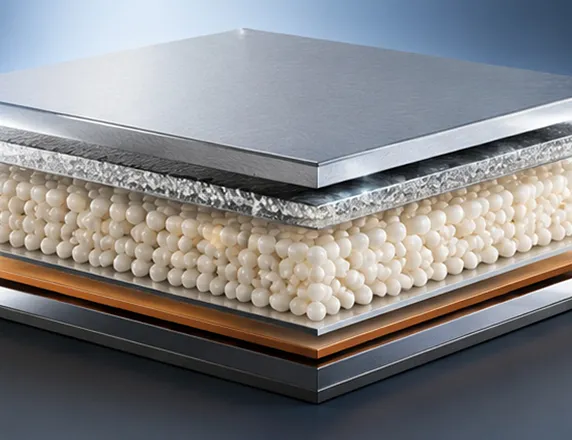
Conventional lithium-ion batteries typically use liquid or gel-like electrolytes. Solid-state batteries aim to replace these with a solid electrolyte.
In principle, this approach could enable improvements in areas such as energy density and safety. However, developing solid-state batteries that can be manufactured reliably, economically, and at automotive scale remains a major engineering and manufacturing challenge.
Potential Advantages of Solid-State Batteries
- Potential for higher energy density
- Potential safety improvements
- Possibility of lighter battery packs
- Potential for longer driving ranges
- Potential improvements in charging performance and battery longevity
Current Challenges
- High manufacturing costs
- Difficulties with large-scale production
- Materials and interface challenges
- Durability and performance requirements must be demonstrated at automotive scale
- Technology is still developing for widespread EV adoption
Solid-state technology is promising, but its eventual impact will depend heavily on whether manufacturers can achieve reliable mass production at a competitive cost.
Quick Comparison of EV Battery Types
| Battery Type | Energy Density | Cost | Weight | Typical EV Role |
|---|---|---|---|---|
| Lead-Acid | Low | Low | High | Auxiliary and specialized applications |
| NiMH | Low to Medium | Medium | Medium to High | Hybrid vehicles |
| Lithium-Ion | High | Medium to High | Lower for equivalent energy | Modern battery-electric vehicles |
| LFP | Medium | Competitive | Medium | Passenger EVs, commercial EVs, and buses |
| Solid-State | Potentially Very High | Currently High | Potentially Lower | Emerging / next-generation EVs |
Note: The characteristics above are general comparisons. Actual battery performance varies depending on cell chemistry, pack design, manufacturer, operating temperature, battery management, and vehicle application.
Lithium-Ion vs LFP: What’s the Difference?
One point that can cause confusion is that LFP batteries are lithium-ion batteries.
Lithium-ion describes a family of rechargeable battery technologies. LFP refers specifically to batteries that use lithium iron phosphate as the cathode material.
Other lithium-ion chemistries can prioritize higher energy density, making them attractive for vehicles where maximum range and reduced pack weight are important.
LFP, on the other hand, is often selected when manufacturers prioritize characteristics such as:
- Long cycle life
- Thermal stability
- Safety
- Lower reliance on nickel and cobalt
- Competitive manufacturing costs
There is therefore no single battery chemistry that is automatically best for every electric vehicle.
What Affects EV Battery Lifespan?
Battery chemistry is only one factor that determines how long an EV battery lasts.
Temperature, charging habits, fast-charging frequency, operating conditions, depth of discharge, and battery management can all influence degradation over time. For a more detailed explanation, read our guide to the hidden factors that shorten EV battery life and how to prevent them.
Another important factor is cell balancing. An EV battery pack contains many individual cells, and small differences between them can affect overall pack performance and usable capacity. Learn more about why cell balancing is critical in an EV battery pack.
Which Battery Technology Is Best for Electric Vehicles?
The answer depends on the vehicle and how it will be used.
For a long-range or high-performance passenger EV, high-energy-density lithium-ion chemistries may provide important advantages.
For affordable passenger vehicles, commercial fleets, buses, or applications where durability and frequent charging are important, LFP can be particularly attractive.
Meanwhile, solid-state batteries could become an important future option if manufacturers successfully overcome the challenges associated with cost, durability, and mass production.
Rather than one technology completely replacing all others, the EV industry may continue using multiple battery chemistries for different vehicle segments and requirements.

Final Thoughts
Battery technology is one of the key factors shaping the future of electric transportation.
Lead-acid batteries helped establish rechargeable battery technology, while NiMH batteries became important in hybrid vehicles. Today, the EV market is largely centered around different forms of lithium-ion technology, including the increasingly important LFP chemistry.
Looking further ahead, solid-state batteries have the potential to offer major improvements, but widespread commercial adoption will depend on overcoming manufacturing, durability, and cost challenges.
Ultimately, the future of EV batteries may not belong to just one chemistry. Different technologies are likely to coexist, with manufacturers selecting batteries based on the required balance of range, safety, performance, lifespan, availability, and cost.