















A hybrid battery usually doesn’t go from working perfectly to completely dead overnight. In many cases, the vehicle begins showing changes in performance, fuel economy, battery charge behavior, or warning messages as the battery deteriorates.
Recognizing these symptoms early can help you determine when the hybrid system should be properly diagnosed.
It’s also important to remember that not every hybrid-system problem is caused by the high-voltage battery. Cooling problems, electrical faults, sensors, wiring, isolation faults, engine problems, and other hybrid components can sometimes produce similar symptoms.
Here are seven common signs that may indicate your hybrid battery is beginning to fail.
1. Your Fuel Economy Has Dropped
One of the first things some hybrid owners notice is an unexpected decrease in fuel economy.
A healthy hybrid system uses the electric motor to assist the gasoline engine when conditions allow. This reduces the amount of work the engine has to perform and is an important reason hybrid vehicles can achieve good fuel economy.
As the high-voltage battery loses usable capacity or becomes unable to deliver sufficient power, the vehicle may rely more heavily on the gasoline engine.
You may notice:
- The engine operating more frequently
- Reduced electric assistance
- Lower MPG or higher L/100 km
- More frequent trips to the gas station
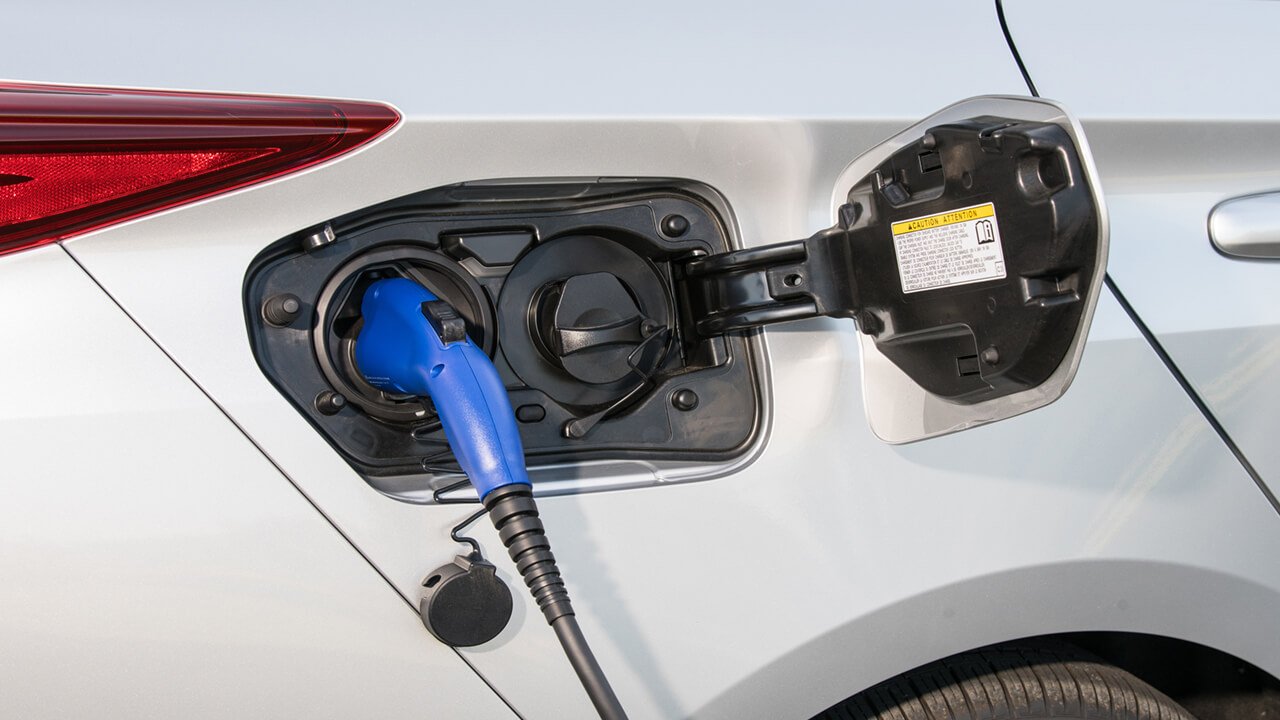
However, poor fuel economy alone does not confirm a failing hybrid battery. Tire pressure, driving conditions, weather, engine problems and other mechanical issues can also affect fuel consumption.
If the decrease is significant or accompanied by other hybrid-system symptoms, battery diagnostics are a good next step.
2. Check Hybrid System or Other Warning Lights Appear
Dashboard warnings are one of the clearest reasons to have the hybrid system diagnosed.
Depending on the manufacturer, you might see messages or indicators such as Check Hybrid System, a hybrid-system warning symbol, a master warning light, an IMA warning on certain Honda hybrids, or other manufacturer-specific warnings.
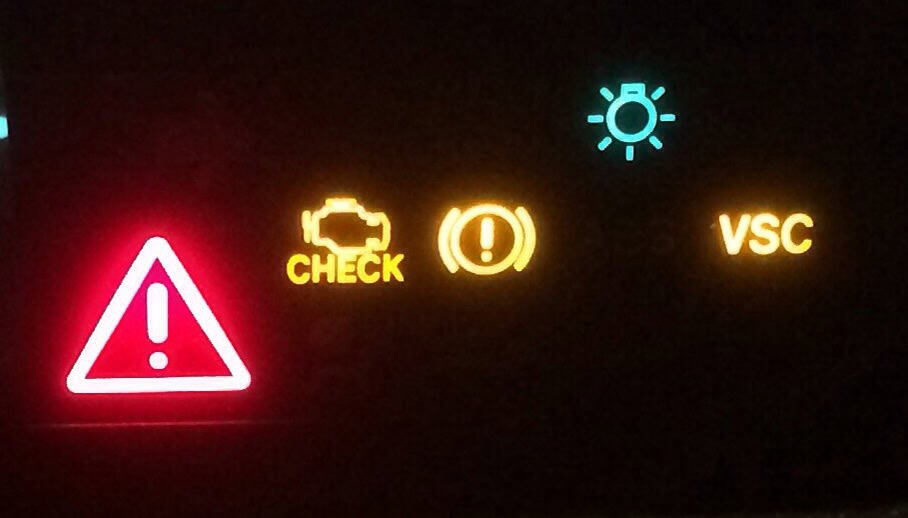
The important part isn’t simply clearing the warning light—it’s determining why the vehicle set the warning in the first place.
A diagnostic scan can reveal trouble codes associated with battery deterioration, abnormal voltage differences, isolation problems, cooling problems, sensors, or other components.
For example, P0A80 – Replace Hybrid Battery Pack is a well-known code found on many hybrid vehicles. But even when a battery-related code appears, additional testing can help determine the actual condition of the pack. You can learn more about what this type of code means in our article about the Prius “Replacement Battery Pack” error code.
Simply clearing a hybrid-system warning without diagnosing its cause isn’t a proper repair. The warning is often the starting point for determining what is actually happening within the hybrid system.
Isolation-related faults are another example. If the vehicle stores a P0AA6 code, our guide to the Toyota Hybrid Prius P0AA6 trouble code explains this type of high-voltage isolation problem in more detail.
3. Weak Acceleration or Reduced Performance
The electric motor in a hybrid doesn’t just improve fuel economy. It can also provide additional torque during acceleration.
When the high-voltage battery is healthy, it can supply electrical power to the motor when additional assistance is required.
If the battery has deteriorated significantly, the amount of electrical assistance available may decrease.
The vehicle may feel:
- Slower when accelerating from a stop
- Less responsive than before
- Weaker when climbing hills
- More dependent on the gasoline engine
- Less powerful during hard acceleration
Again, weak acceleration isn’t automatically proof of battery failure. Engine, transmission, inverter, fuel-system, and other problems can produce similar symptoms.
The key is determining whether the loss of performance corresponds with abnormal battery data.
4. The Gasoline Engine Runs More Often Than Before
Hybrid vehicles are designed to continually decide when to use the gasoline engine, electric motor, or a combination of both.
Depending on the vehicle and operating conditions, the engine may shut off while stopped or during certain low-load driving conditions.
If the battery can no longer store or deliver energy effectively, you may notice the gasoline engine operating considerably more often.
For example, the engine might start more frequently to maintain battery charge or remain running in situations where it previously shut off.
This can occur together with declining fuel economy.
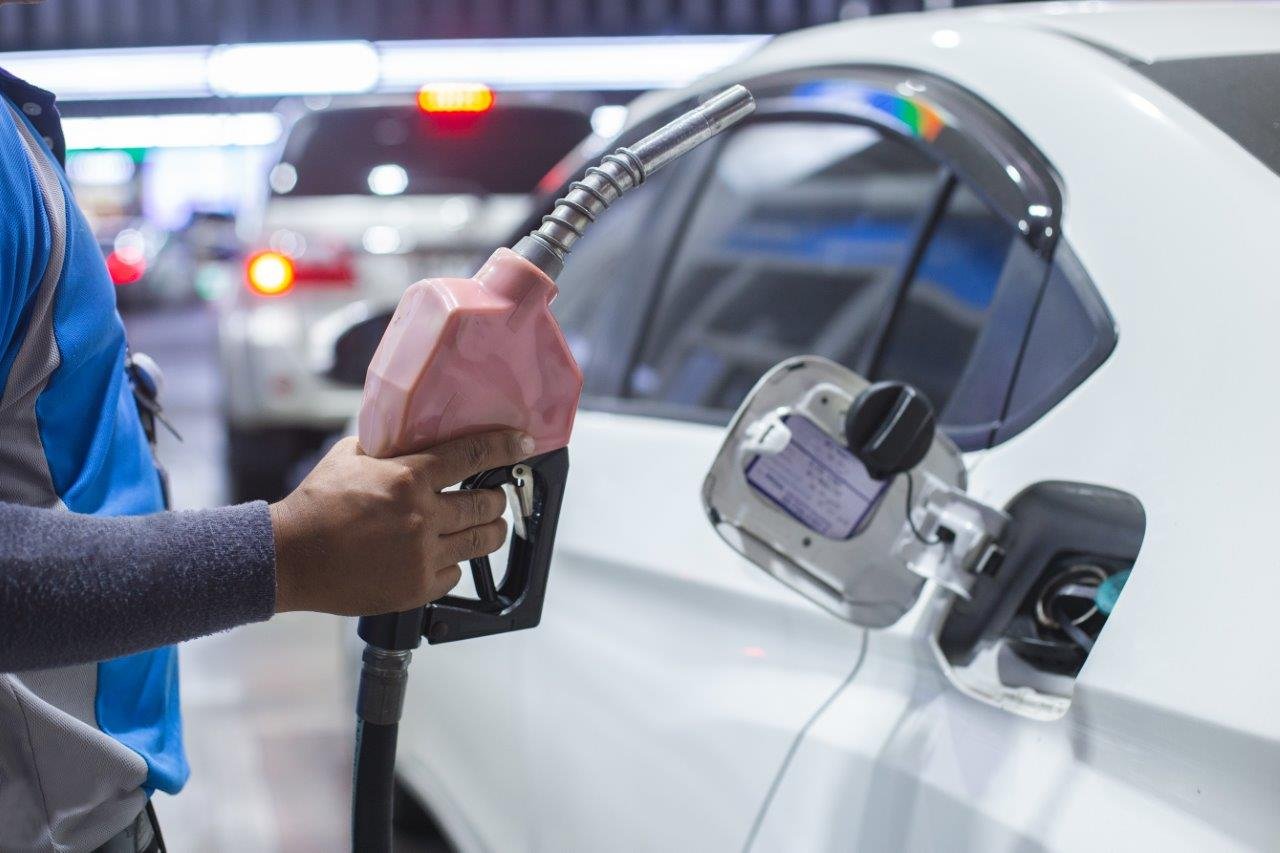
However, temperature, cabin heating or air-conditioning demand, battery state of charge, and vehicle operating conditions can also cause increased engine operation. It should therefore be treated as a symptom to investigate, rather than proof that the battery has failed.
5. The Battery Charge Level Changes Very Quickly
This is one of the more useful symptoms to watch.
A deteriorated hybrid battery may appear to charge and discharge much faster than it did previously.
For example, the dashboard battery indicator might show a relatively high state of charge and then fall rapidly after a short period of electric assistance.
Soon afterward, the engine may run to recharge the battery, causing the displayed charge level to rise quickly again.
This repeated pattern of:
Charge → Rapid Discharge → Engine Recharge → Rapid Charge
can indicate that the battery’s usable capacity has decreased.
The battery may still reach a high voltage, but that doesn’t necessarily mean it can store the same amount of energy it could when it was healthy.
This distinction between voltage and actual usable capacity is important when diagnosing an aging battery.
6. The Hybrid Battery Cooling Fan Runs Frequently or Becomes Loud
Hybrid batteries generate heat while charging and discharging, so many battery packs use a cooling system to keep temperatures under control.
If you suddenly hear the battery cooling fan operating much more frequently or at a higher speed than usual, the battery system deserves attention.
Possible reasons include:
As battery cells or modules age, their internal resistance can increase. More resistance can result in greater heat generation under load.
But a loud cooling fan doesn’t automatically mean the battery itself needs replacement. Sometimes the problem is simply restricted airflow or a contaminated fan.
This is why inspecting the battery cooling system should be part of a proper hybrid battery diagnosis. For Prius owners, our Prius hybrid battery cooling fan troubleshooting guide explains the cooling system and common problems in more detail.
7. Battery Blocks or Cells Become Unbalanced
This is where professional battery diagnostics become especially useful.
A battery pack consists of multiple cells or modules connected together. Ideally, these sections should behave similarly as the battery charges and discharges.
As the battery ages, one module or battery block may deteriorate faster than the others.
Under load, the weaker section may experience a greater voltage drop. During charging, it may also reach its upper voltage range sooner than healthier sections.
The Battery Management System monitors these differences.
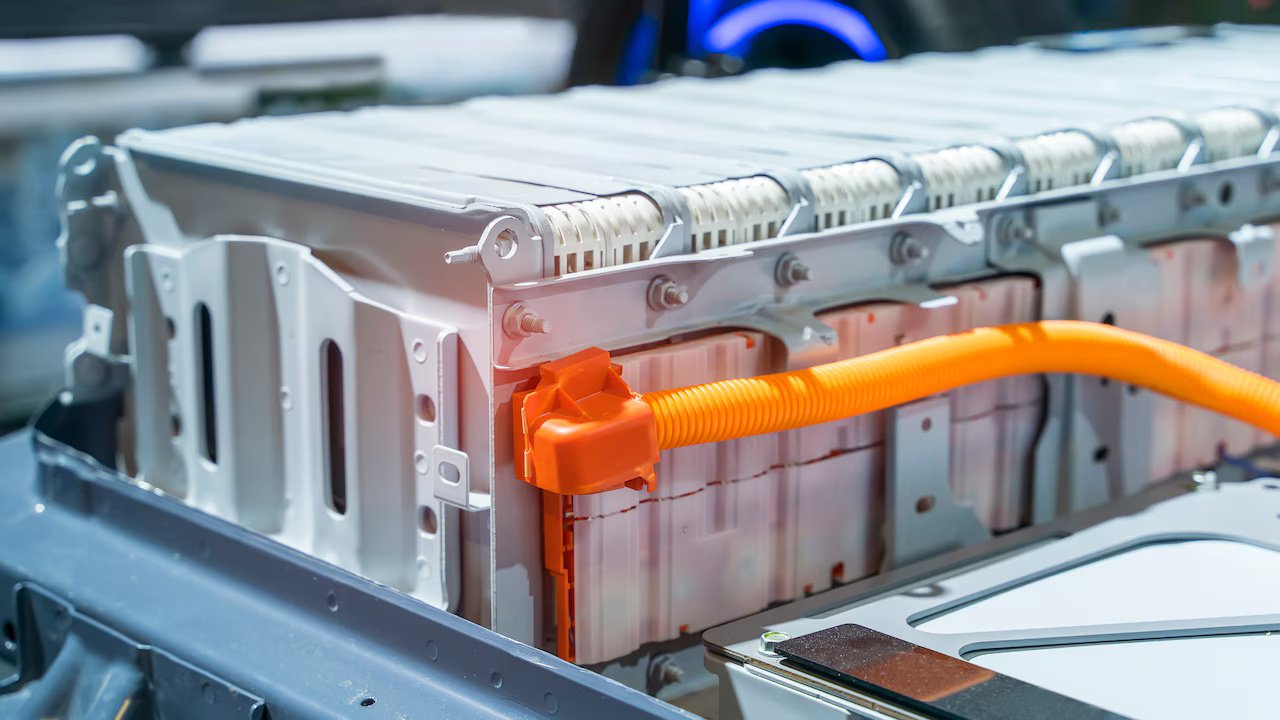
When the imbalance becomes excessive, the vehicle may reduce hybrid performance or eventually set a battery-related diagnostic trouble code.
Cell or module imbalance is particularly important because a battery pack is often limited by its weakest section.
Replacing one failed module may sometimes make a battery operational again, but that doesn’t automatically restore the remaining aged modules to new condition. Capacity, internal resistance, self-discharge, and state of charge all need to be considered when evaluating a repair.
Proper balancing is also important because differences between cells or modules can affect how effectively the entire battery pack operates. You can learn more in our article explaining why cell balancing is critical in a battery pack.
Does a Warning Sign Mean Your Hybrid Battery Needs Replacement?
Not necessarily.
This is one of the most important points when dealing with hybrid battery problems.
A dashboard warning or unusual vehicle behavior tells you that something needs to be diagnosed. It doesn’t automatically tell you which component should be replaced.
A proper hybrid battery evaluation can include:
- Scanning all relevant control modules for trouble codes
- Monitoring individual battery block or cell-group voltages
- Comparing voltage differences under load
- Checking battery temperatures
- Evaluating state-of-charge behavior
- Checking cooling-system operation
- Measuring internal resistance when appropriate
- Checking high-voltage isolation when required
- Evaluating battery capacity when deeper testing is necessary
The results can help distinguish between a battery that is genuinely deteriorated and another problem elsewhere in the hybrid system.
Can a Failing Hybrid Battery Be Repaired?
Sometimes.
Whether repair makes sense depends heavily on the battery design, age, overall condition, and nature of the failure.
A pack with one abnormal module but otherwise healthy and well-matched modules presents a very different situation from an old pack in which numerous modules have lost substantial capacity.
Possible approaches can include individual module replacement, battery reconditioning, a refurbished battery pack, or complete battery replacement.
The goal shouldn’t simply be to make the warning light disappear. The repaired battery needs to operate as a balanced pack under real charging and discharging conditions.
If you’re interested in how this applies specifically to Toyota Prius batteries, see our article on whether a Prius hybrid battery can be repaired.
How Can You Help Your Hybrid Battery Last Longer?
Battery aging can’t be eliminated, but operating temperature, cooling, usage patterns, and battery condition can influence how a pack ages.
Keeping the battery cooling intake and fan clean is particularly important. Excessive heat can accelerate battery deterioration.
Regular vehicle use can also be beneficial compared with allowing some hybrid vehicles to remain unused for extended periods.
Most importantly, don’t repeatedly clear battery or hybrid-system trouble codes without determining their cause.
A warning code is information. Proper diagnosis tells you what that information actually means.
There are also several practical steps owners can take to reduce unnecessary stress on an aging battery. We’ve covered these in our guide on how to make hybrid batteries more reliable and longer lasting.
The Bottom Line
Hybrid batteries usually provide clues as they deteriorate.
A noticeable decrease in fuel economy, hybrid-system warning lights, weaker acceleration, increased engine operation, rapid state-of-charge fluctuations, excessive cooling-fan operation, and abnormal battery imbalance can all justify further investigation.
But symptoms alone should not be used to condemn a high-voltage battery.
Modern hybrid vehicles contain interconnected battery, engine, inverter, cooling, and control systems. Reading the trouble codes and examining live battery data is often the best way to determine what’s actually happening.
If a battery problem is confirmed, understanding whether the pack has an isolated failure or widespread deterioration can help determine whether repair, reconditioning, refurbishment, or complete replacement is the most appropriate solution.