















Introduction
Knowing the health of a NiMH hybrid car battery is crucial, yet no single quick method exists to test it with complete certainty. State-of-health (SoH) cannot be directly measured; it can only be estimated based on available indicators.
A NiMH battery behaves like a living organism, influenced by factors such as state-of-charge (SoC), charge and discharge cycles, rest periods, environmental conditions, and aging. For example, a low SoC may cause the battery to mimic symptoms of capacity loss, making it difficult to distinguish between the two.
Effective diagnostic methods must look past these “mood swings” and isolate metrics that accurately reflect SoH.
The most reliable indicator of battery health is its capacity—the measure of energy storage capability. A new NiMH battery should deliver 100% of its rated capacity, but over time and use, the capacity begins to decline.
NiMH batteries typically require priming (several charge-discharge cycles) to reach full capacity when new and then follow a gradual decline with aging and usage. Unlike lithium-ion batteries, which deteriorate slowly, or lead-acid batteries that stabilize before their decline, NiMH systems balance consistent performance with a steady loss in capacity over time.
Best Practices for NiMH Hybrid Battery Maintenance:
1. Moderate Charging and Discharging:
2. Prevent Overheating:
3. Periodic Conditioning:
Device and System Performance

When to Replace a NiMH Battery
Determining the appropriate time to replace a hybrid battery can be challenging. Without clear data, batteries may be replaced too early—wasting resources—or kept in service too long, risking reliability issues. The capacity threshold for replacement depends on the application:
Public Safety Vehicles:
Consumer Hybrids:
Maintenance Practices:
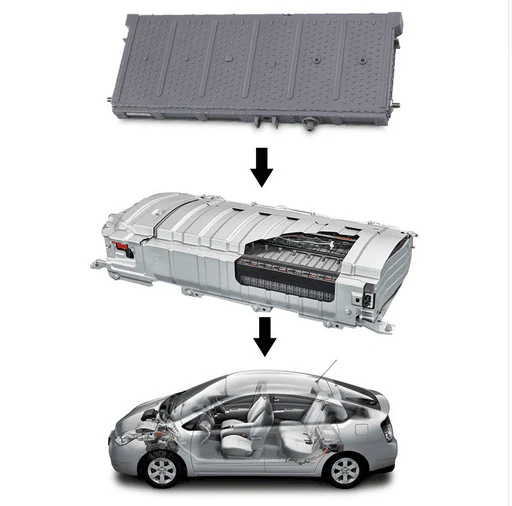
Role of Battery Analyzers:
Tools like battery analyzers play a vital role in testing NiMH packs. These devices can measure:
Capacity:
Internal Resistance:
Backed by Expert Support:
Limitations of Built-In Indicators (ODB Scanners)
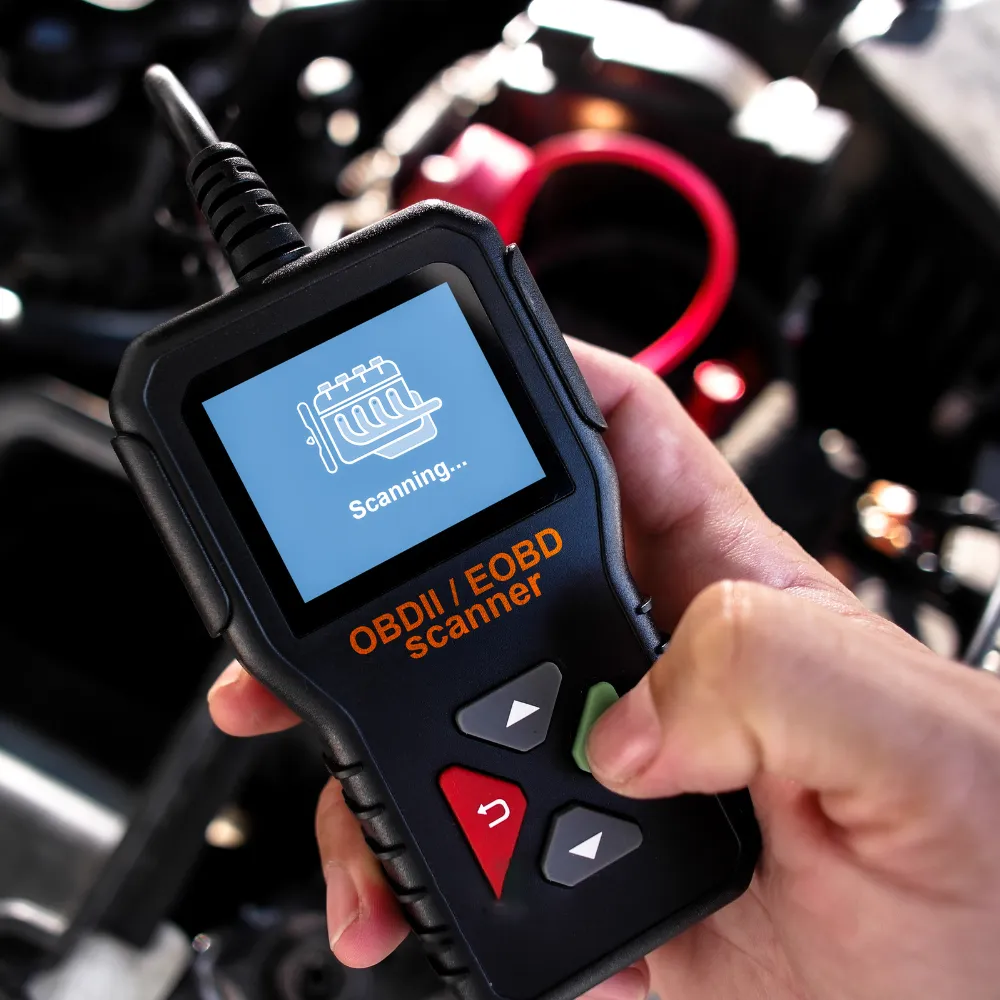
Advanced Testing Technologies
For systems that are not easily removed for analysis, onboard battery management systems (BMS) monitor critical metrics like voltage, temperature, and cycle count. Emerging technologies, such as electrochemical impedance spectroscopy (EIS), offer promising solutions for estimating capacity through rapid testing, even without removing the battery pack from service.
Summary
NiMH hybrid car batteries, like all battery chemistries, experience predictable declines in performance over time. However, proper testing and maintenance can extend their service life and reduce costs. Periodic analysis, moderate usage, and timely replacements ensure reliable performance throughout the vehicle’s life. While tools and technologies continue to evolve, making battery health more transparent, hybrid vehicle owners and fleet operators must rely on practical maintenance strategies to keep their systems running efficiently.