















Electric vehicles are powered by one of the most advanced energy storage systems ever developed—the EV battery.
While many people think of an EV battery as a single unit, it is actually a highly engineered multi-level architecture designed to maximize performance, safety, reliability, and efficiency.
Understanding how battery cells, modules, and packs work together is essential for engineers, technicians, fleet operators, and anyone involved in the growing electric vehicle industry.
What Is EV Battery Architecture?
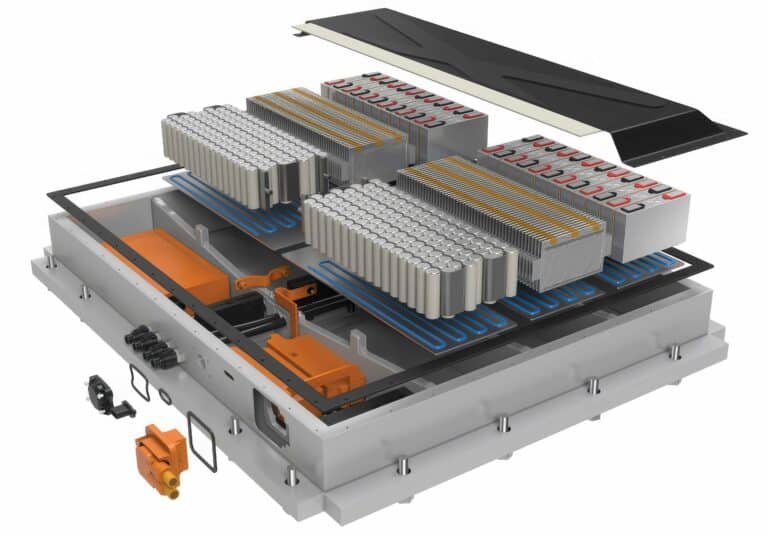
EV battery architecture refers to the structural organization of the battery system, from individual cells all the way to the complete battery pack integrated into the vehicle.
This layered approach allows manufacturers to improve safety, simplify production, optimize thermal management, and adapt battery designs for different vehicle platforms.
Let’s examine each level of the battery hierarchy.
Battery Cell: The Foundation of Energy Storage
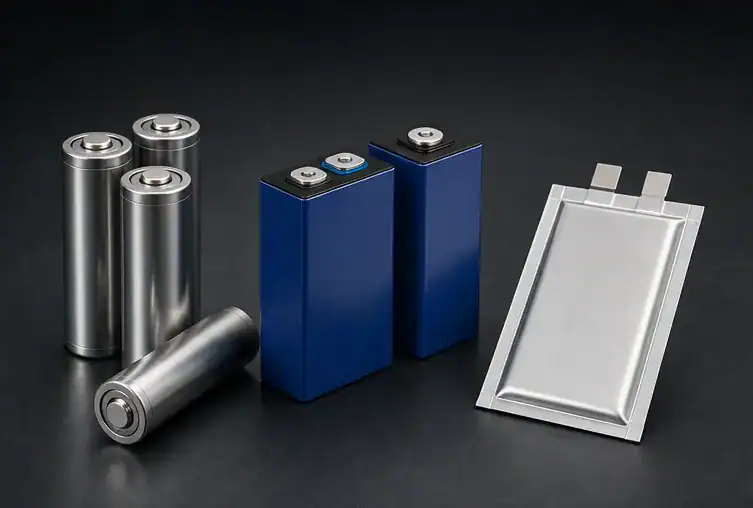
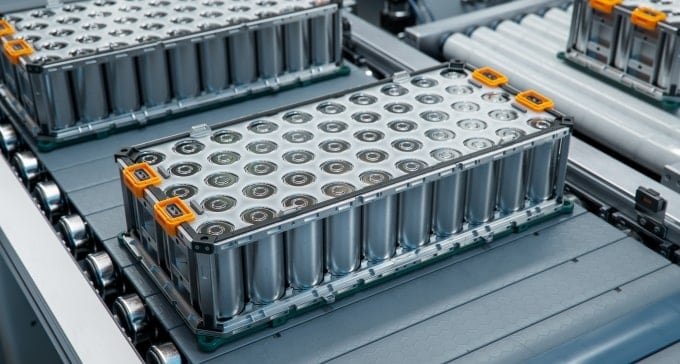
The battery cell is the smallest and most fundamental component of an EV battery system.
Inside each cell, electrochemical reactions convert stored chemical energy into electrical energy. Thousands of these cells work together to power an electric vehicle.
Common cell formats include:
- Cylindrical cells
- Prismatic cells
- Pouch cells
Each format offers unique advantages in terms of energy density, cooling, packaging, and manufacturing efficiency.
Battery Module: Organizing Multiple Cells
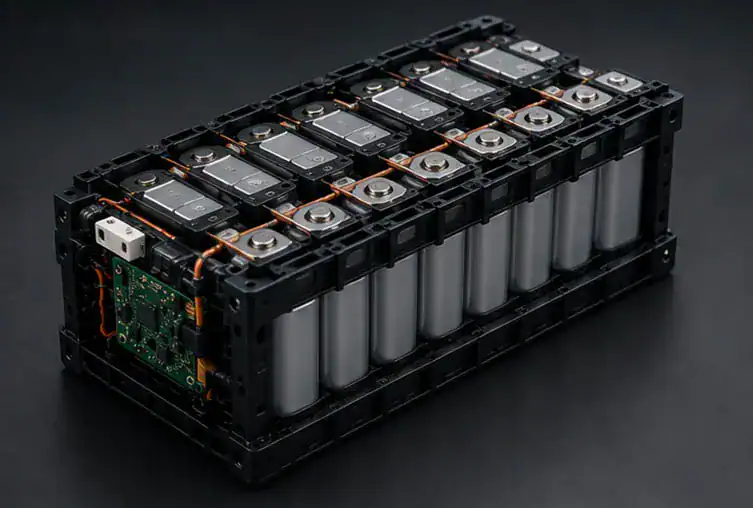
A battery module consists of multiple cells connected together electrically and mechanically.
Modules serve several important purposes:
- Simplify manufacturing and assembly
- Improve serviceability
- Enhance safety through fault isolation
- Support thermal management strategies
Depending on vehicle design, a module may contain anywhere from a few dozen to several hundred battery cells.
Battery Pack: The Complete Energy Storage System
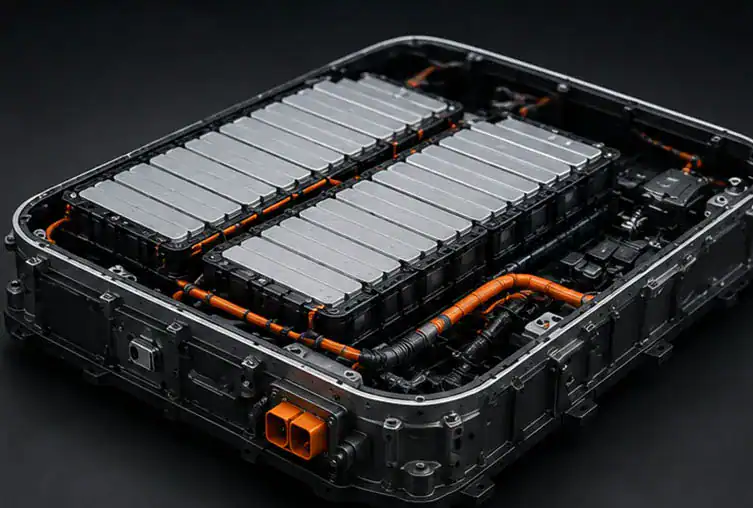
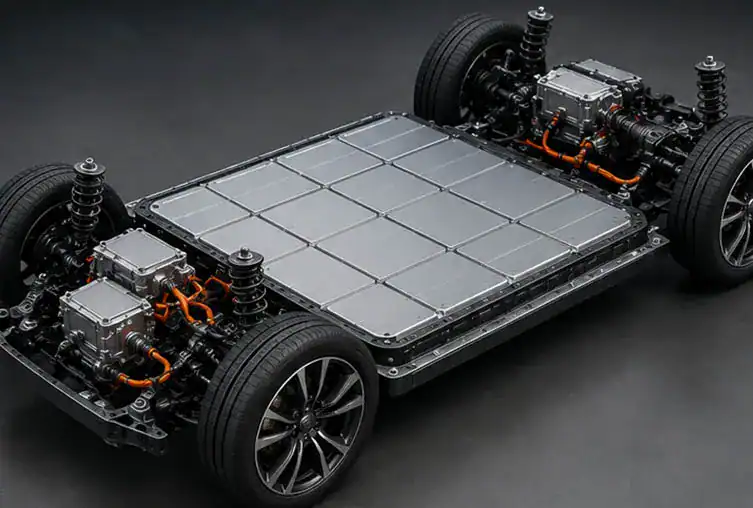
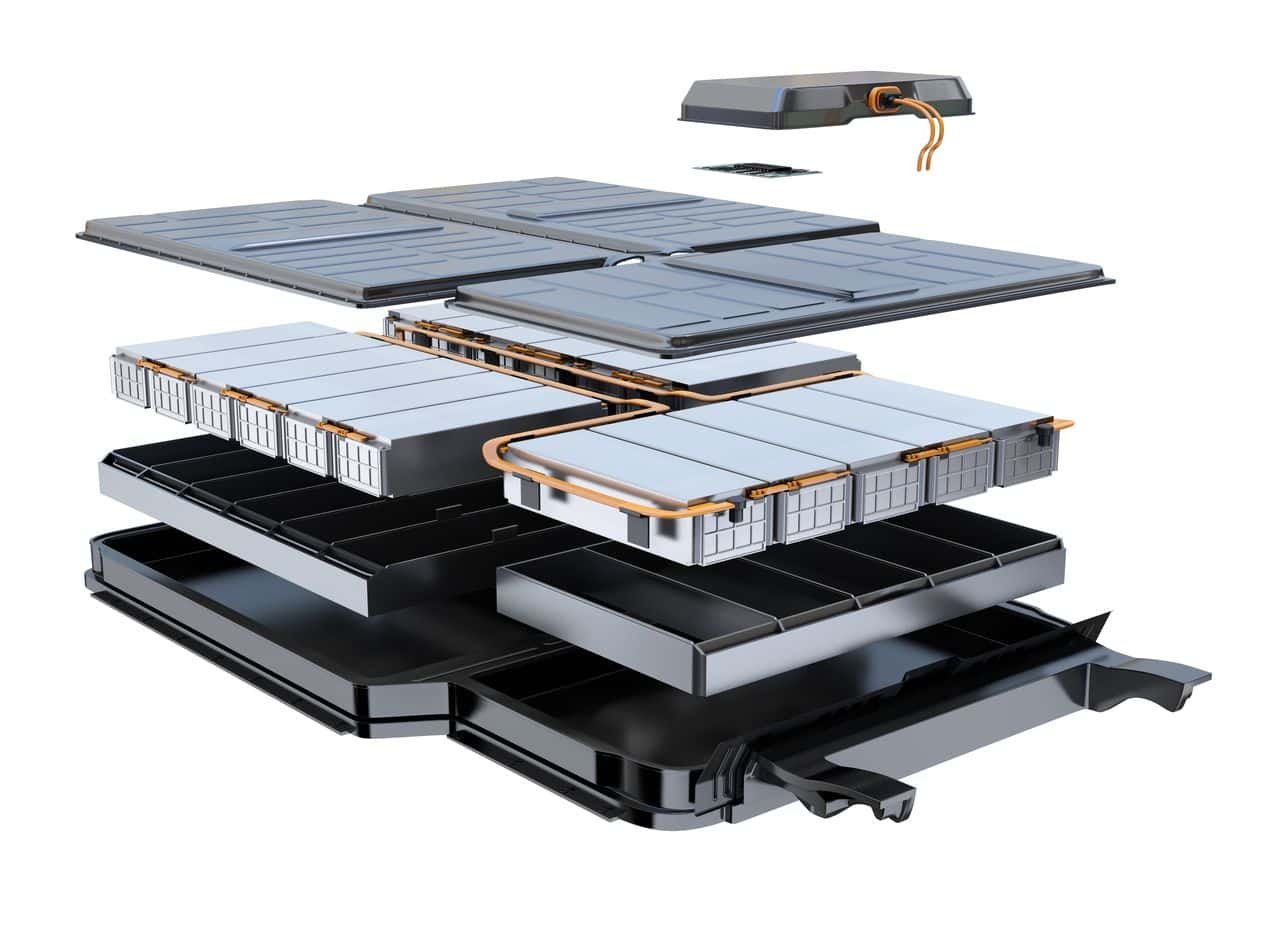
The battery pack is the highest level of the battery architecture and represents the complete energy storage system installed in the vehicle.
A battery pack contains multiple modules along with several critical support systems, including:
- Battery Management System (BMS)
- Cooling and thermal management systems
- High-voltage contactors
- Fuses and protection devices
- Voltage and temperature sensors
- Structural housing and crash protection
The battery pack is responsible for delivering safe, reliable, and controlled power to the vehicle’s electric drivetrain.
Vehicle Integration: Powering the Electric Drivetrain
Once integrated into the vehicle, the battery pack becomes the primary source of energy for propulsion.
The pack supplies high-voltage power to:
- The inverter
- The electric traction motor
- Auxiliary systems through the DC/DC converter
- Vehicle control systems
Proper integration ensures efficient power delivery, optimal performance, and long-term battery durability.
Why Is Multi-Level Battery Architecture Important?
Modern EV battery systems are designed using a cell-to-module-to-pack structure for several important reasons.
Improved Thermal Management
Easier Manufacturing and Serviceability
Greater Scalability
Better Performance and Reliability
The Industry Shift: 400V vs. 800V Battery Systems
One of the most significant developments in EV battery technology is the transition from traditional 400-volt architectures to advanced 800-volt platforms.
While 400V systems remain the industry standard for many vehicles today, 800V systems are becoming increasingly popular in premium and high-performance EVs.
Benefits of 800V Architecture
Faster Charging
Lower Current Requirements
Reduced Energy Losses
Lighter Electrical Systems
Improved System Efficiency
What Does the Future Hold?
As electric vehicles continue to evolve, battery architecture will play an increasingly important role in determining vehicle performance, charging speed, safety, and cost.
Innovations such as:
- Cell-to-Pack (CTP) technology
- Cell-to-Chassis (CTC) designs
- Solid-state batteries
- Advanced thermal management systems
- High-voltage 800V and beyond architectures
Conclusion
EV battery architecture is far more than a collection of battery cells. It is a carefully engineered system that balances energy density, safety, thermal management, manufacturability, and performance.
From individual cells to complete battery packs, every layer plays a critical role in delivering reliable electric transportation.
As the industry moves toward higher-voltage systems and more advanced battery designs, understanding battery architecture is becoming an essential skill for engineers, technicians, and energy professionals shaping the future of electrification.