















The battery pack is the heart of every electric vehicle (EV).
While battery chemistry often gets the spotlight, the way batteries are arranged within a vehicle is equally important. Battery pack layout directly affects driving range, performance, safety, manufacturing costs, and overall vehicle efficiency.
As EV technology continues to evolve, automakers are developing innovative battery architectures that maximize energy density while improving reliability and reducing weight. From the widely adopted Skateboard Layout to advanced Cell-to-Pack (CTP) and Cell-to-Chassis (CTC) designs, battery engineering is shaping the future of sustainable transportation.
In this guide, we’ll explore the most common EV battery pack layouts and why they matter.
Why Battery Pack Layout Matters
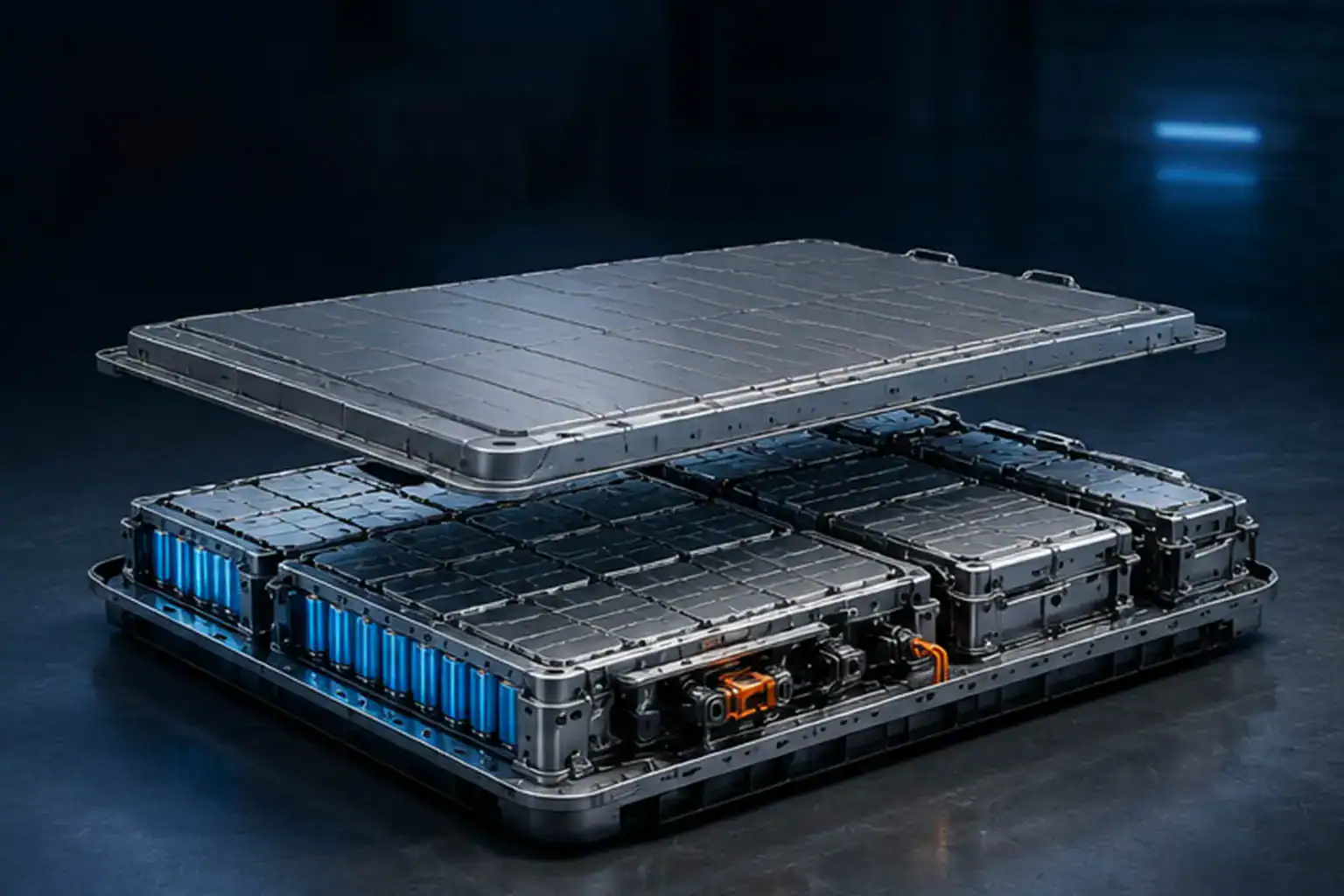
A battery pack is more than just a collection of battery cells. Engineers must carefully design how cells, modules, cooling systems, and structural components fit together within the vehicle.
An optimized battery layout can provide:
- Longer driving range
- Improved vehicle handling
- Enhanced crash protection
- Better thermal management
- Lower manufacturing costs
- Increased energy density
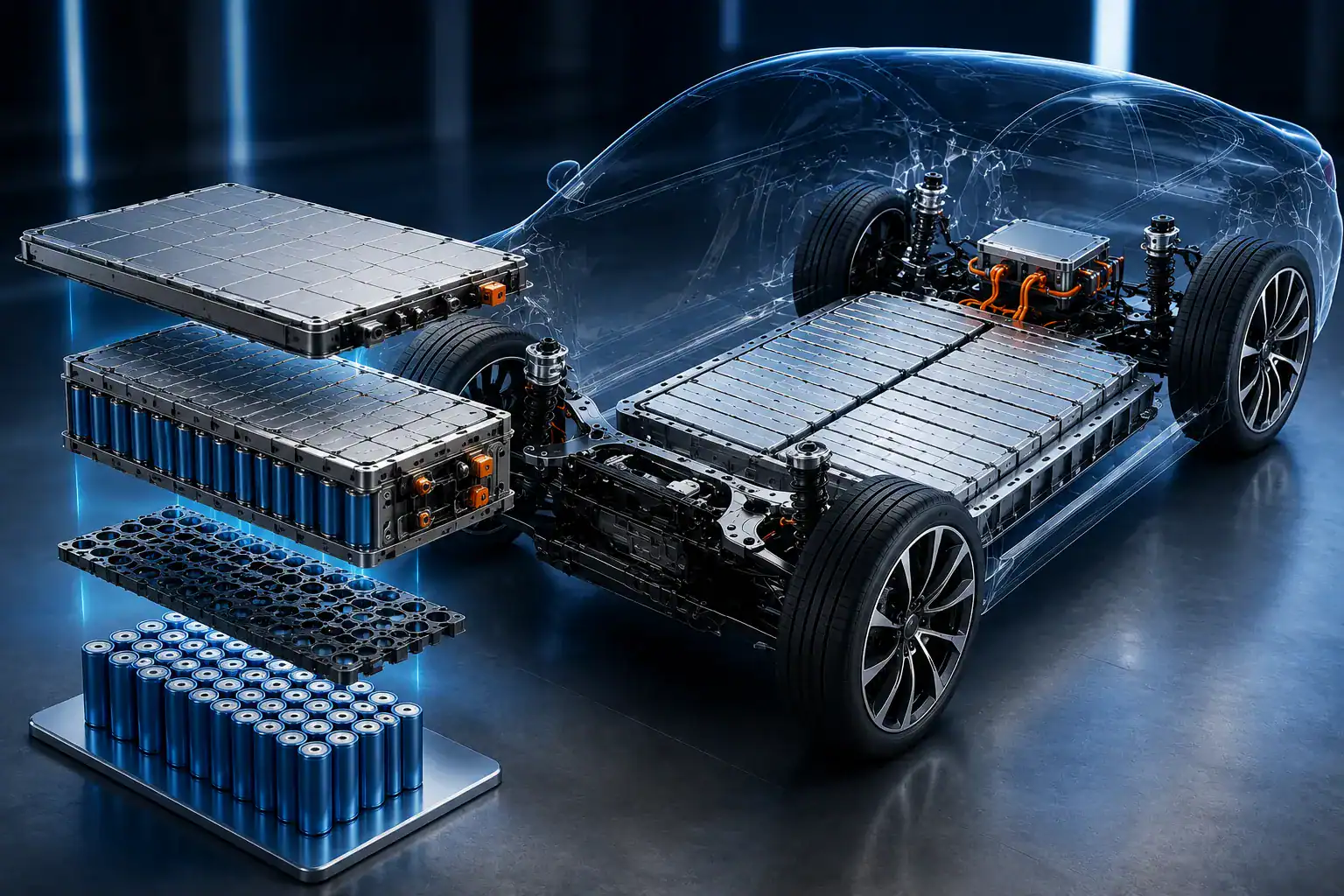
The Skateboard Battery Layout
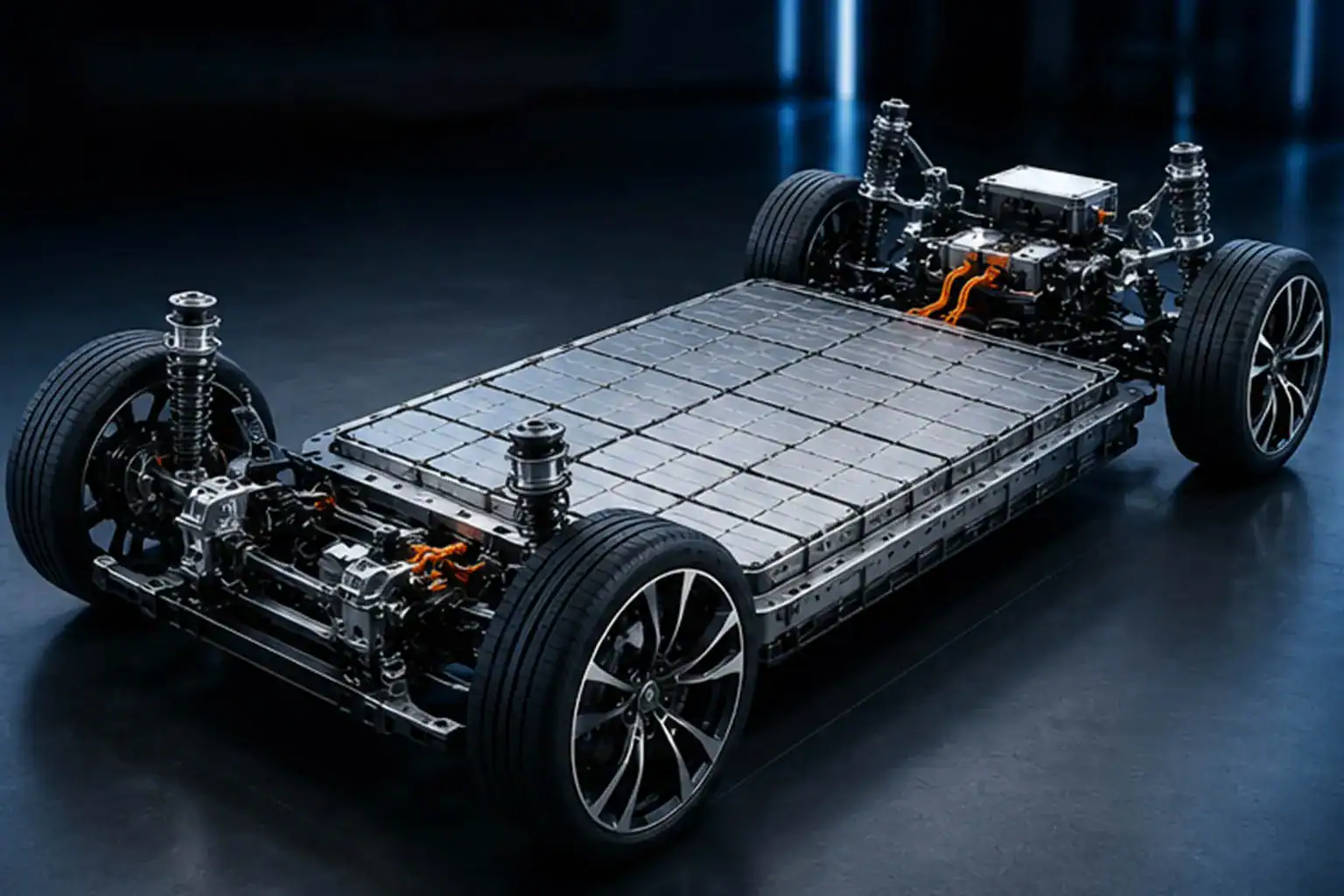
The Skateboard Layout is currently the most common battery architecture used in modern electric vehicles.
In this design, the battery pack is mounted flat beneath the vehicle floor, creating a low center of gravity while maximizing cabin space.
Advantages:
- Improved vehicle stability and handling
- Increased interior space
- Better weight distribution
- Enhanced crash protection
- Simplified platform sharing across multiple vehicle models
Cell-to-Pack (CTP) Technology
As EV manufacturers push for higher efficiency, many are moving beyond traditional module-based designs.
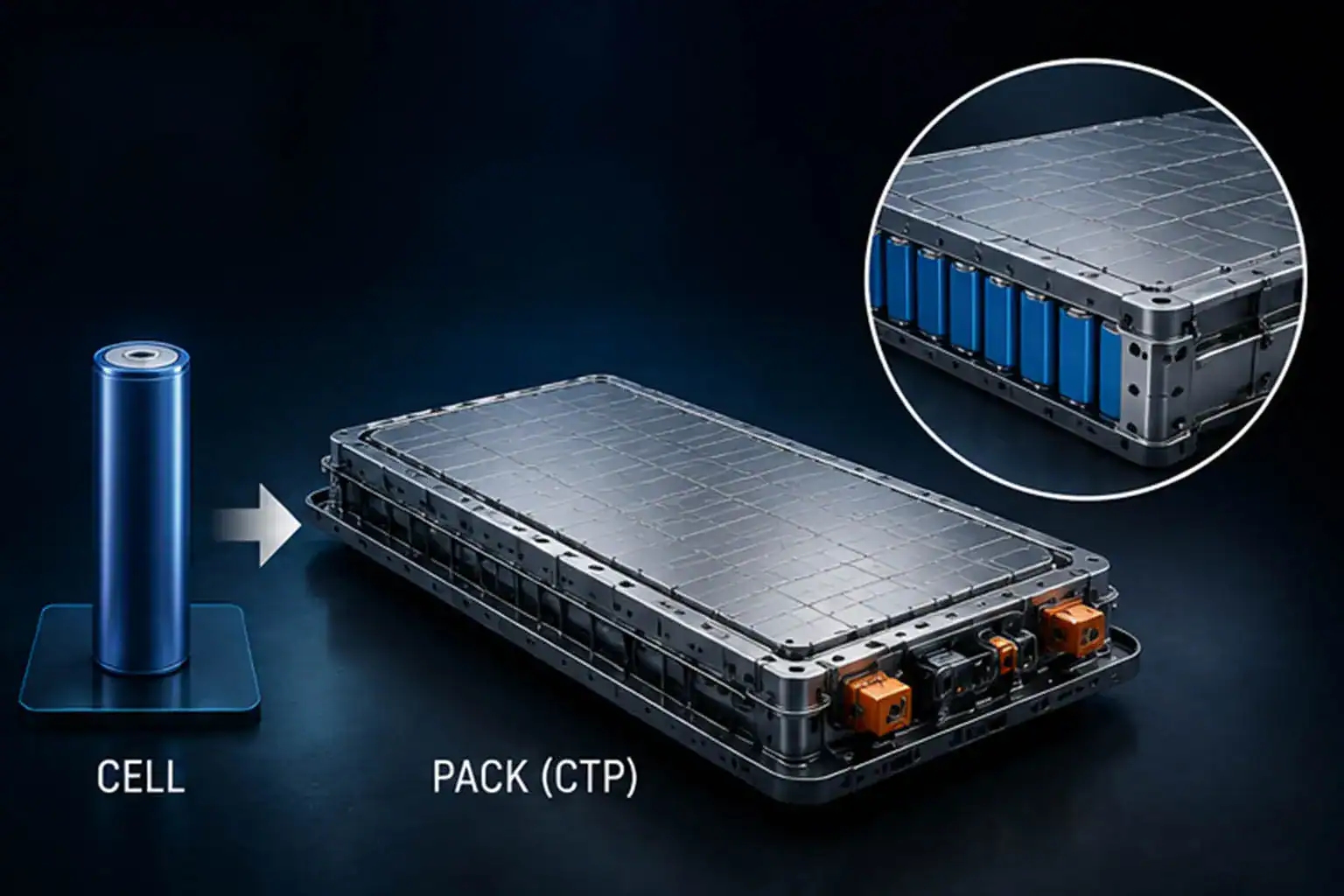
Cell-to-Pack (CTP) technology eliminates intermediate battery modules and integrates cells directly into the battery pack structure.
Benefits of CTP:
- Higher energy density
- Reduced weight
- Fewer components
- Improved manufacturing efficiency
- Lower production costs
Cell-to-Chassis (CTC) Architecture
Cell-to-Chassis technology takes integration a step further by making the battery pack part of the vehicle’s structural framework.
Instead of treating the battery as a separate component, the battery contributes to the overall strength of the vehicle chassis.
Advantages of CTC:
- Further weight reduction
- Increased structural rigidity
- Improved space utilization
- Higher overall efficiency
Structural Battery Packs
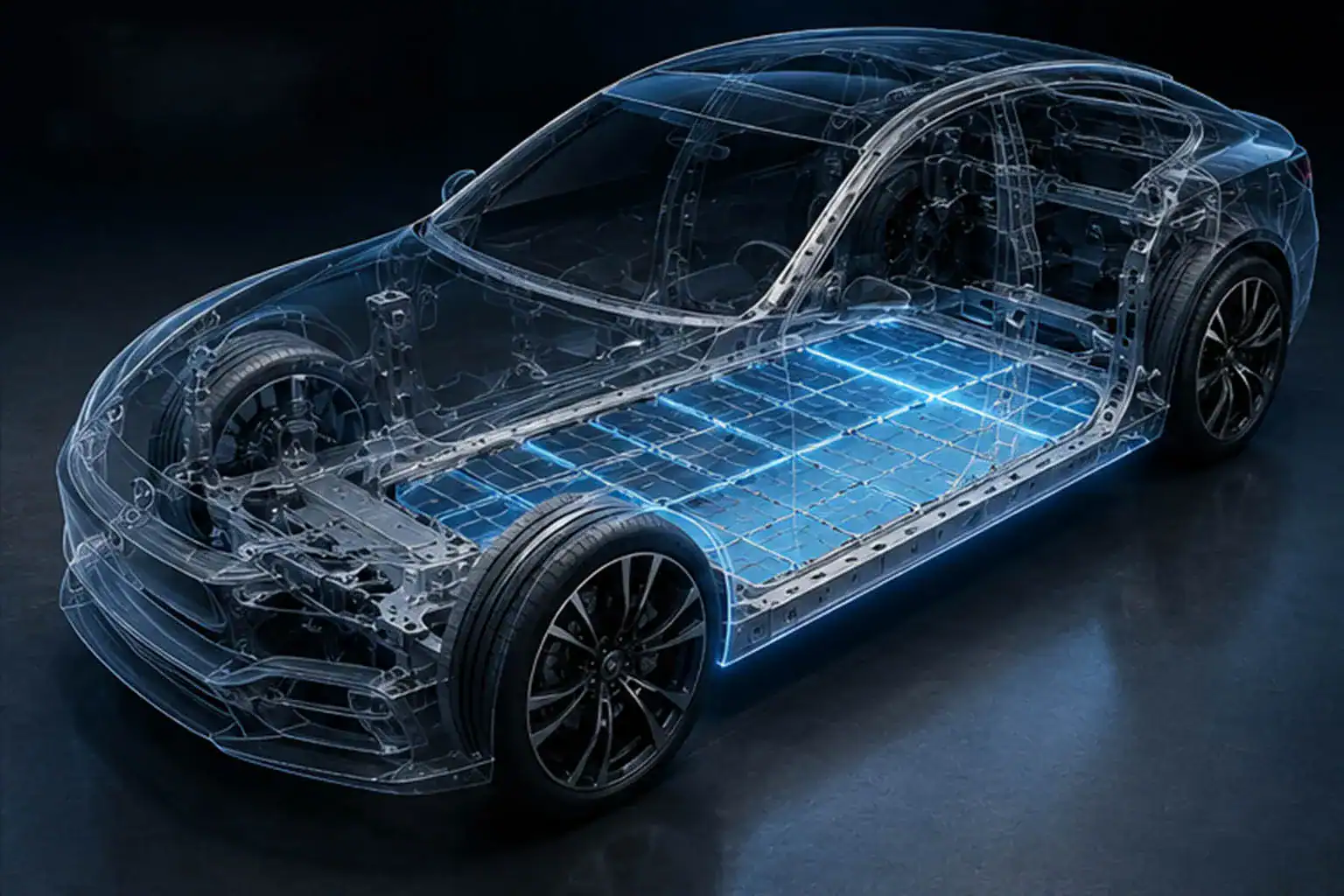
Structural battery packs combine energy storage and load-bearing functions into a single system.
Rather than simply housing battery cells, the pack itself becomes an integral structural component of the vehicle.
Potential benefits include:
- Reduced vehicle weight
- Improved energy efficiency
- Increased driving range
- Simplified manufacturing processes
How Battery Layout Affects Performance
Driving Range
Safety
Thermal Management
Vehicle Dynamics
The Future of EV Battery Architecture
As battery technology advances, manufacturers will continue exploring new ways to increase energy density while reducing costs and weight.
Future developments may include:
- Next-generation Cell-to-Chassis systems
- Structural battery integration
- Solid-state battery platforms
- AI-optimized thermal management systems
- List ItemModular battery designs for easier servicing and upgrades

Final Thoughts
Battery chemistry may power an electric vehicle, but battery architecture determines how effectively that energy is used. From the proven Skateboard Layout to advanced Cell-to-Pack and Cell-to-Chassis technologies, battery pack design plays a critical role in shaping EV performance, safety, and efficiency.
As the EV industry continues to evolve, understanding battery pack layouts provides valuable insight into the engineering innovations driving the future of electric mobility.
At iHybrid Battery, we stay at the forefront of battery technology and innovation, helping customers understand the systems that power today’s hybrid and electric vehicles.