















Electric vehicles (EVs) are rapidly changing the automotive industry.
What Is an Electric Vehicle?
An Electric Vehicle (EV) is a vehicle powered entirely or partially by electricity instead of traditional gasoline or diesel fuel.
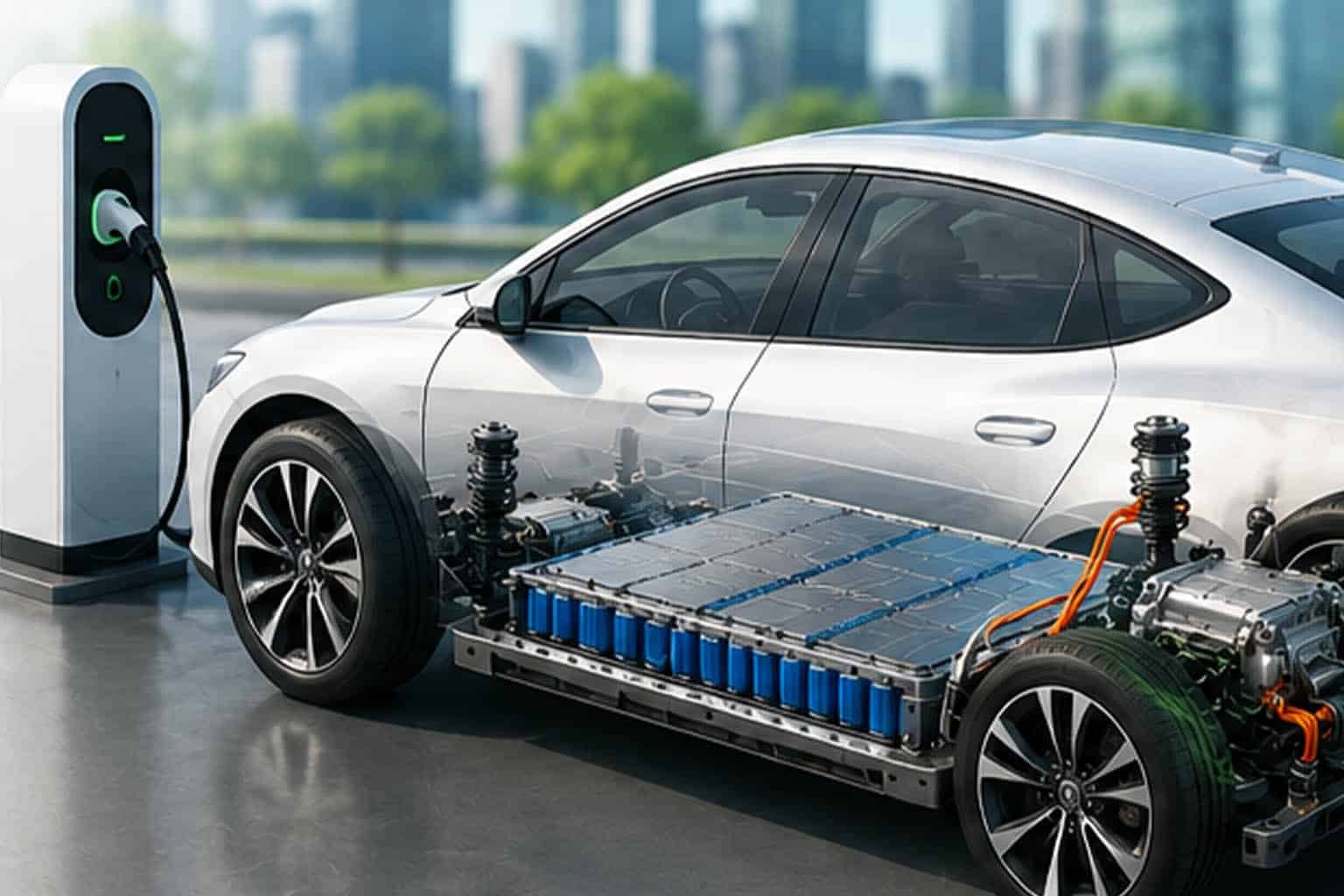
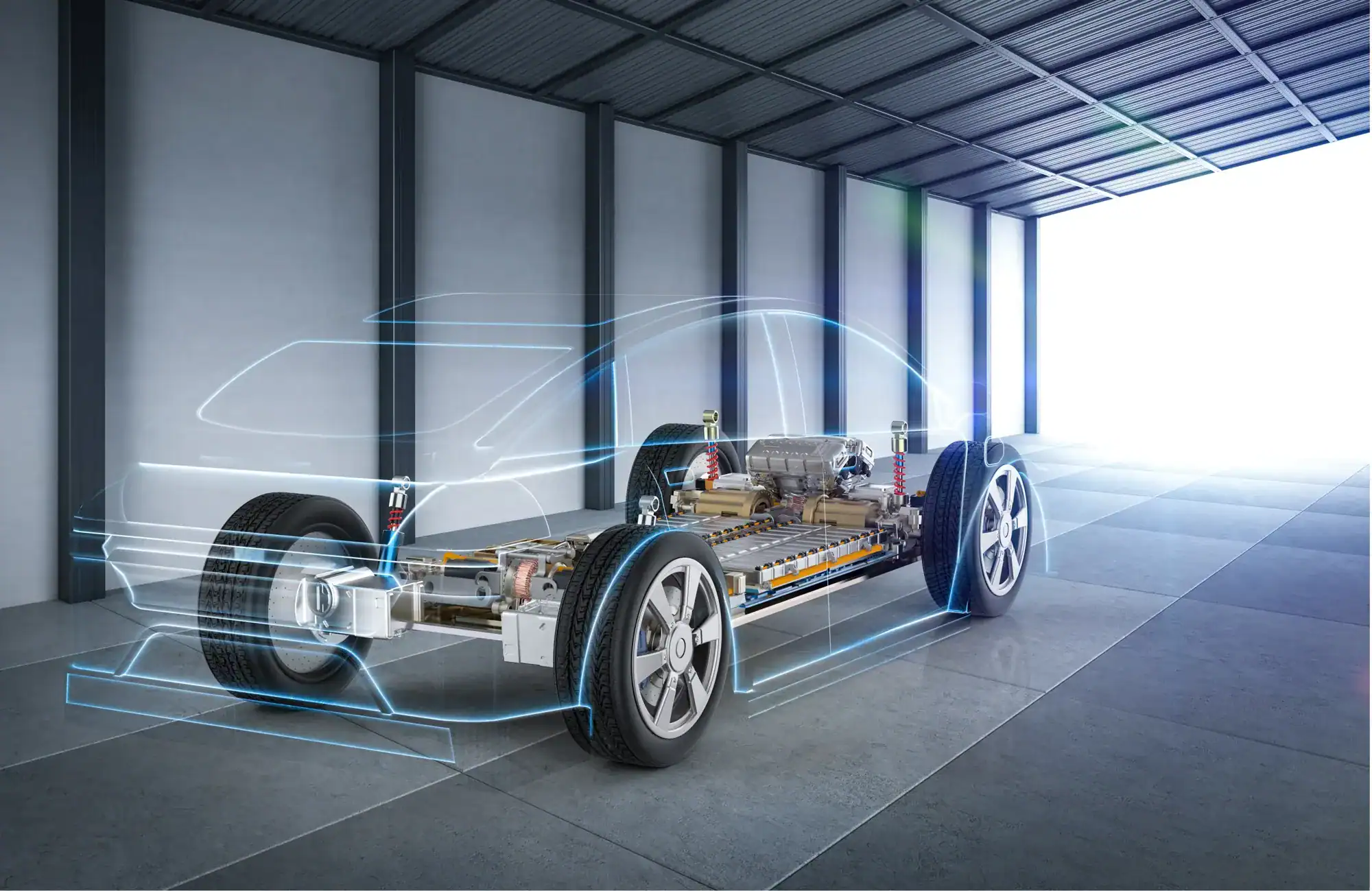
Unlike conventional vehicles that rely on an internal combustion engine, EVs use electricity stored inside a high-voltage battery pack. This electrical energy powers an electric motor, which drives the wheels.
Because there is no engine combustion, EVs produce zero tailpipe emissions, making them a cleaner and more environmentally friendly transportation option.
How Does an Electric Vehicle Work?
The operation of an electric vehicle is surprisingly simple.
The process follows this sequence:
Battery Pack → Controller/Inverter → Electric Motor → Wheels
Here’s what happens:
- The battery pack stores electrical energy.
- The controller (or inverter) regulates the flow of electricity.
- The electric motor converts electrical energy into mechanical motion.
- The motor turns the wheels, moving the vehicle forward.
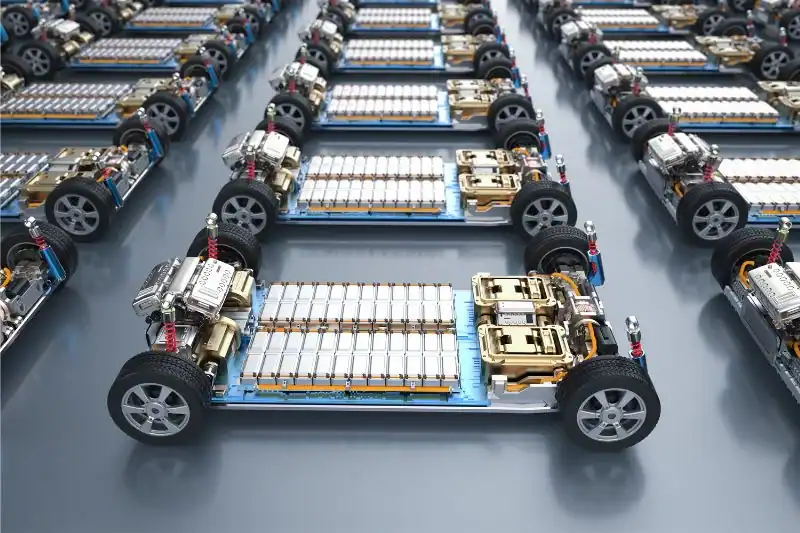
Main Components of an Electric Vehicle
Battery Pack
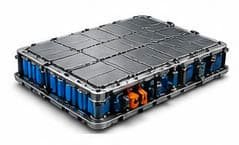
The battery pack is the heart of every EV. It stores electrical energy that powers the vehicle and is typically the most valuable component.
Battery capacity determines how far an EV can travel on a single charge, commonly referred to as its driving range.
Electric Motor
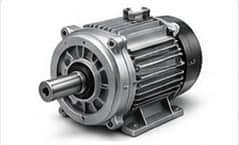
The electric motor converts electrical energy into rotational force that drives the wheels.
Electric motors deliver instant torque, allowing EVs to accelerate smoothly and quickly.
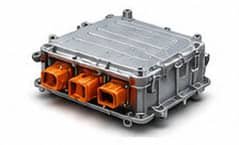
Controller / Inverter
The controller acts as the vehicle’s brain.
It regulates the amount of electricity delivered to the motor based on accelerator input, battery condition, and driving demands.
The inverter also converts the battery’s direct current (DC) into alternating current (AC) for motors that require it.
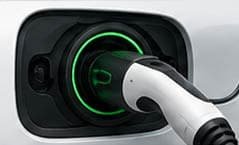
Charging Port
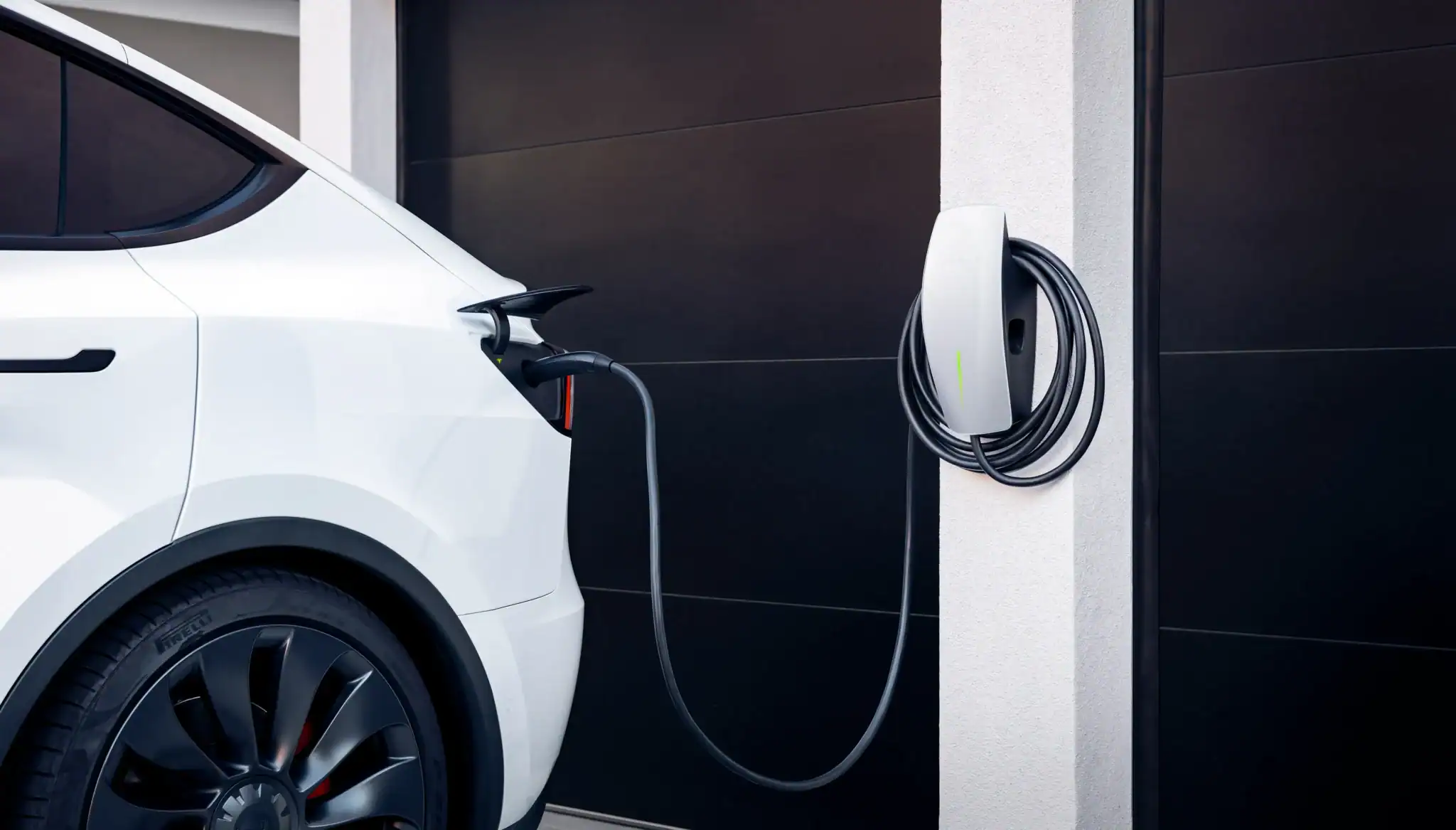
The charging port allows the battery to be recharged using an EV charger.
Depending on the charging system, charging times can range from under an hour with DC fast charging to several hours using a home AC charger.
Benefits of Electric Vehicles
Zero Tailpipe Emissions
Lower Running Costs
Less Maintenance
Quiet and Smooth Driving
Better Energy Efficiency
Why Are Electric Vehicles Becoming More Popular?
Governments, manufacturers, and consumers are increasingly embracing electric mobility because EVs offer numerous environmental and economic benefits.
Advancements in battery technology continue to improve:
- Driving range
- Charging speed
- Battery lifespan
- Vehicle performance
- Overall affordability
The Future of Electric Mobility
Electric vehicles are no longer a glimpse of the future—they are rapidly becoming part of everyday life.
Innovations such as solid-state batteries, faster charging technologies, and more efficient battery management systems will continue to make EVs even more capable and accessible.
For drivers, understanding the fundamentals of EV technology is the first step toward embracing cleaner, smarter, and more sustainable transportation.
Final Thoughts
Electric vehicles represent one of the biggest transformations in automotive history. While the technology may seem complex at first, the basic concept is straightforward: electricity stored in a battery powers an electric motor to move the vehicle.
As EV adoption continues to grow, understanding how these systems work helps consumers make informed decisions about vehicle ownership, maintenance, and battery care.
At iHybrid Battery, we’re passionate about helping drivers understand the technology behind hybrid and electric vehicles. Through our EV Basics Series, we’ll continue exploring battery technology, charging systems, battery maintenance, and the innovations shaping the future of electric mobility.