















Electric vehicles (EVs) are transforming the future of transportation, offering cleaner, more efficient mobility solutions.
While most people associate EVs with batteries and electric motors, the technology behind them is far more sophisticated.
At the core of every electric vehicle is a carefully designed high-voltage electrical architecture that enables energy storage, power conversion, vehicle control, and safe operation. Understanding these components is essential for EV technicians, engineers, fleet operators, and anyone interested in electric mobility.
What Is High-Voltage Architecture in an EV?
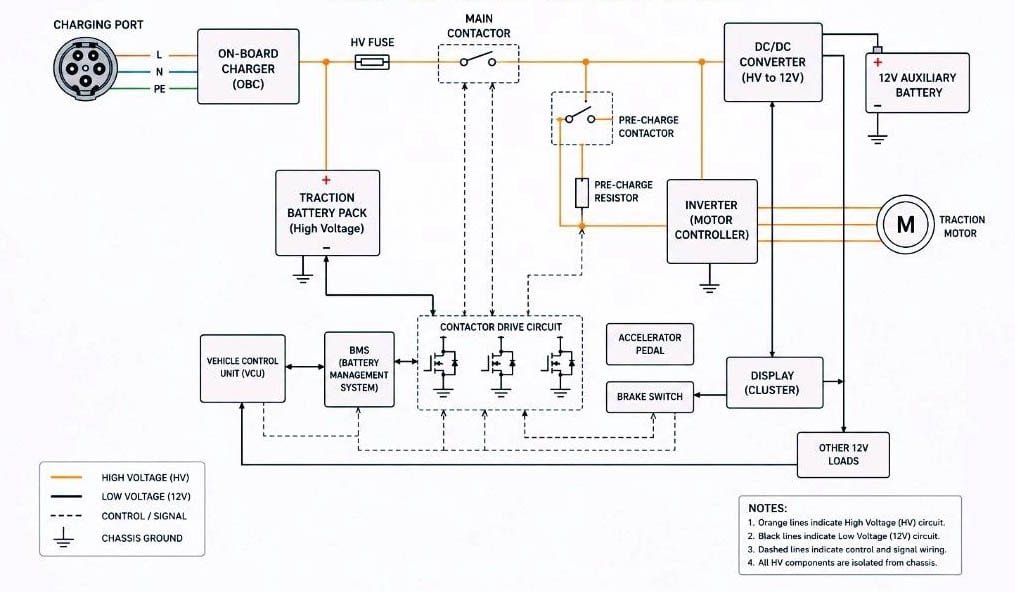
The high-voltage system is the backbone of an electric vehicle. It manages the flow of electrical energy from the charging source to the battery and ultimately to the electric motor that drives the vehicle.
Let’s explore the key components that make this system work.
Charging Port
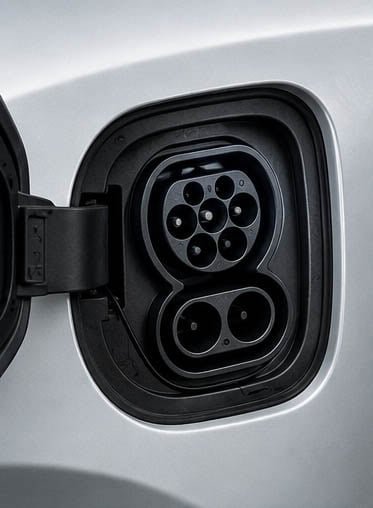
The charging port serves as the vehicle’s connection point to an external power source. It receives electricity from a charging station and directs it into the vehicle’s charging system.
Whether using Level 1, Level 2, or DC fast charging, the charging port is the gateway for replenishing the vehicle’s energy supply.
On-Board Charger (OBC)
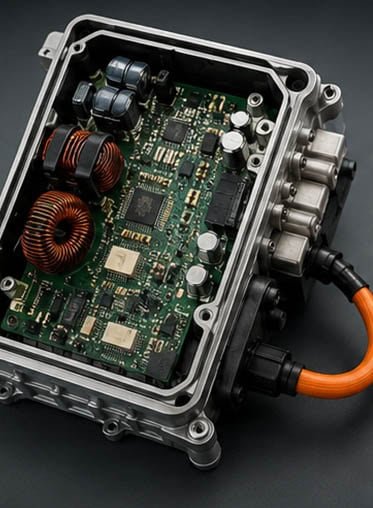
Most charging stations provide alternating current (AC) electricity, while EV batteries store direct current (DC) electricity.
The On-Board Charger (OBC) converts incoming AC power into DC power, allowing the battery pack to charge safely and efficiently.
Traction Battery Pack
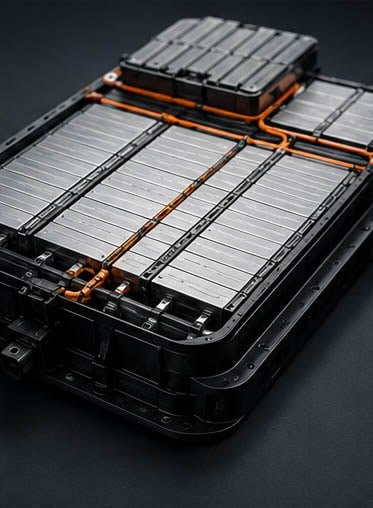
The traction battery pack is the primary energy storage system of an electric vehicle. It stores high-voltage electrical energy that powers the vehicle during operation.
Battery capacity directly impacts vehicle range, performance, and overall efficiency.
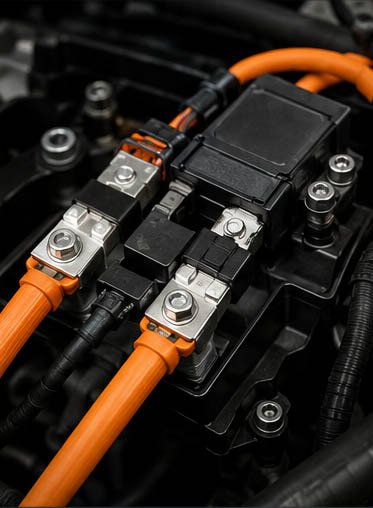
Main Contactor and Pre-Charge Circuit
Safety is a critical aspect of EV design.
The main contactor acts as a high-voltage switch, connecting or disconnecting the battery from the rest of the vehicle. The pre-charge circuit gradually energizes the system before full power is applied, helping protect sensitive electrical components from damaging current surges.
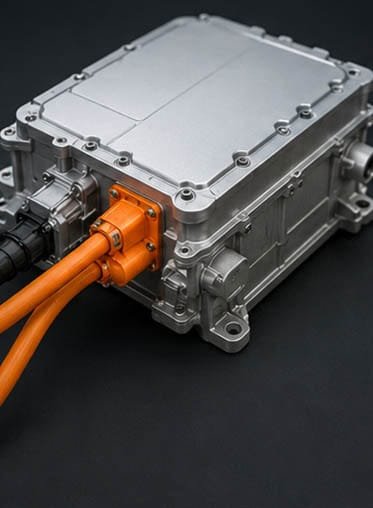
Inverter
Electric motors typically operate using alternating current (AC), while batteries provide direct current (DC).
The inverter converts the battery’s DC power into AC power, enabling precise control of the traction motor’s speed, torque, and performance.
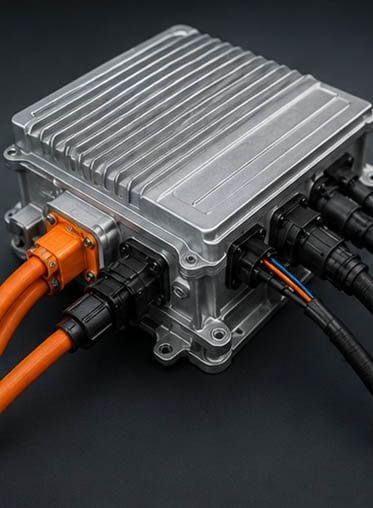
DC/DC Converter
In addition to the high-voltage propulsion system, EVs still rely on traditional 12-volt electrical systems for functions such as:
- Lighting
- Infotainment systems
- Power windows
- Electronic control modules
- Safety systems
The DC/DC converter reduces the high-voltage battery output to 12 volts, ensuring these auxiliary systems operate reliably.
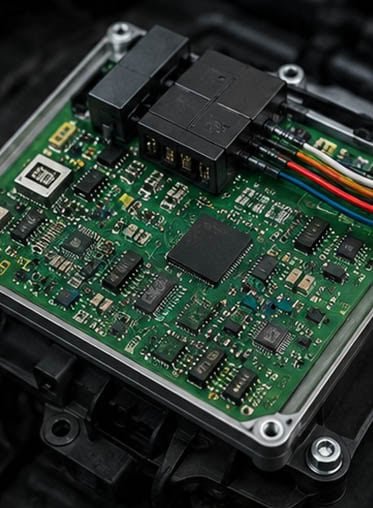
Battery Management System (BMS)
The Battery Management System (BMS) is often considered the “brain” of the battery pack.
Its responsibilities include:
- Monitoring cell voltage and temperature
- Balancing battery cells
- Preventing overcharging and deep discharging
- Protecting against overheating
- Estimating battery state of charge (SOC)
A properly functioning BMS is essential for battery safety, performance, and longevity.
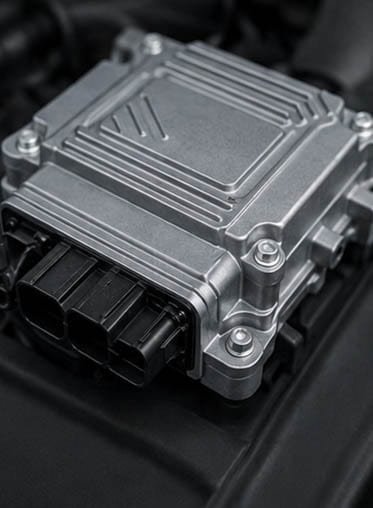
Vehicle Control Unit (VCU)
The Vehicle Control Unit coordinates the operation of various vehicle systems.
It communicates with the battery, inverter, motor, charger, and other electronic modules to ensure smooth and efficient vehicle performance.
The VCU manages everything from acceleration requests to regenerative braking strategies and energy optimization.
Why Understanding EV High-Voltage Systems Matters
As electric vehicle adoption continues to grow worldwide, the demand for skilled EV technicians and battery specialists is increasing rapidly.
A solid understanding of high-voltage architecture helps professionals:
- Diagnose EV system issues more effectively
- Improve vehicle safety procedures
- Support battery repair and maintenance operations
- Stay competitive in the evolving automotive industry

The Future of Electric Mobility
High-voltage architecture forms the foundation of every electric vehicle. From charging and energy storage to propulsion and vehicle control, each component plays a critical role in delivering safe, reliable, and efficient transportation.
As EV technology continues to advance, professionals who understand these systems will be better prepared to support the next generation of electric mobility solutions.