iHybrid Favicon | Lower Mainlad

EV and Hybrid Battery Replacement

How Hybrid Cars Differ from Regular Gas Cars – A Mechanic’s Perspective

Alec Sharma | iHybrid Battery Team

Alec Sharma

Founder of iHybrid Battery

Related News

Advanced Battery Management Systems: How Smarter BMS Technology Is Changing Batteries

August 28, 2026

Different Types of Batteries Used in Electric Vehicles (EVs)

August 21, 2026

Why Is the Battery Management System (BMS) So Important in an Electric Vehicle?

August 18, 2026

The Hidden Factors That Shorten EV Battery Life (And How to Prevent Them)

July 14, 2026

Why Cell Balancing Is Critical in an EV Battery Pack

July 3, 2026

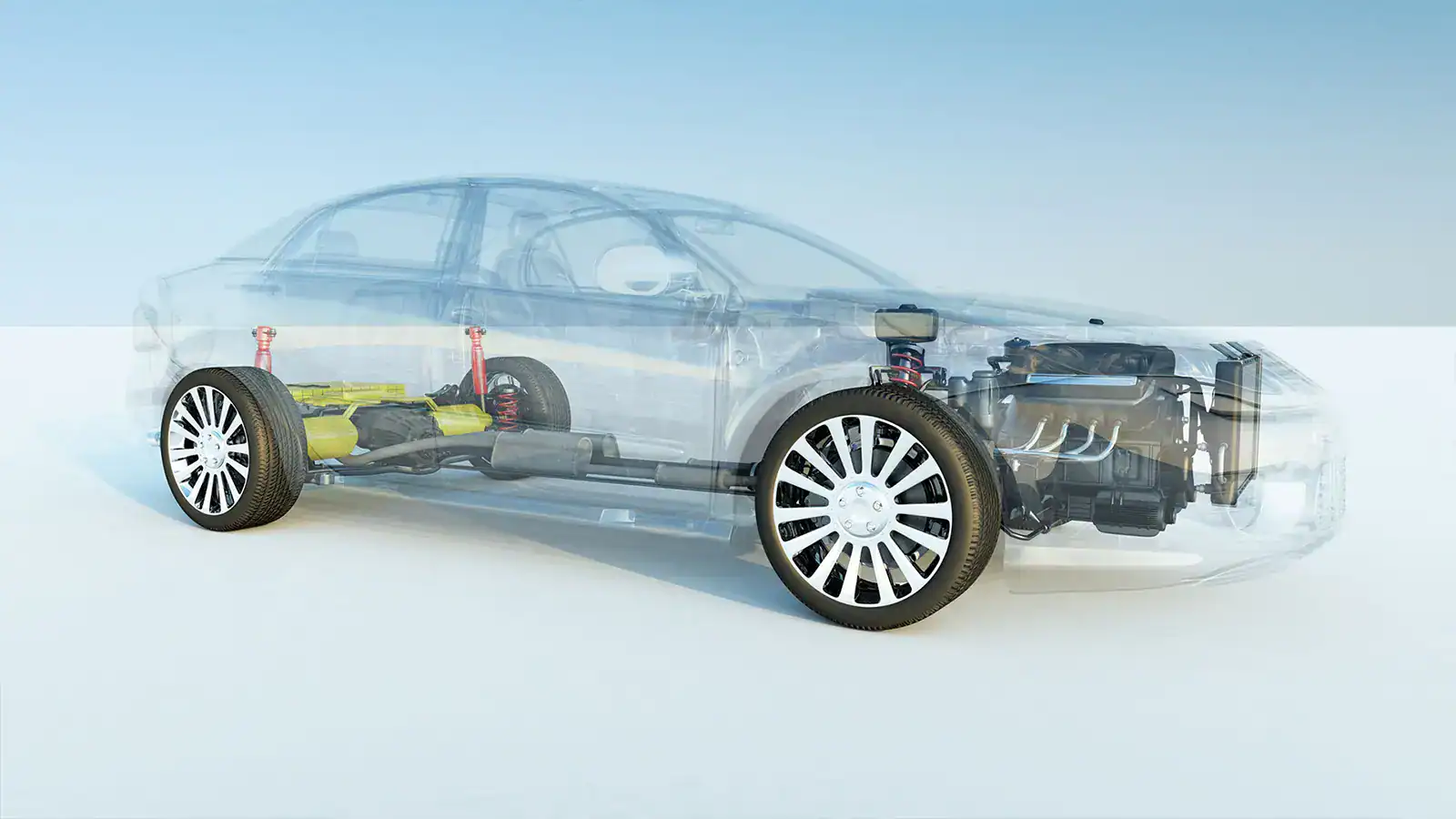
Everyone knows hybrid cars are fuel-efficient — but if you pop the hood, you’ll quickly realize they’re very different beasts compared to traditional gas vehicles. If you’re a DIYer or mechanic trying to understand how hybrids work, here are some critical differences that go far beyond fuel economy.

No Starter Motor

In a regular car, the 12V battery powers a starter motor that cranks the engine to life.

In a hybrid car? There’s no starter motor at all.
Instead, the high-voltage battery and the electric motor do the cranking. When you “start” a hybrid, it simply powers on silently — and the gas engine only kicks in when needed.

No Alternator

Traditional cars use an alternator to recharge the 12V battery while the engine runs.

Hybrids don’t use an alternator. Instead, the DC-DC converter inside the inverter assembly steps down power from the high-voltage battery to keep the 12V battery charged.
No belts. No pulleys.

Two Separate Cooling Systems

Hybrids have two:

  • One for the engine (just like regular cars)
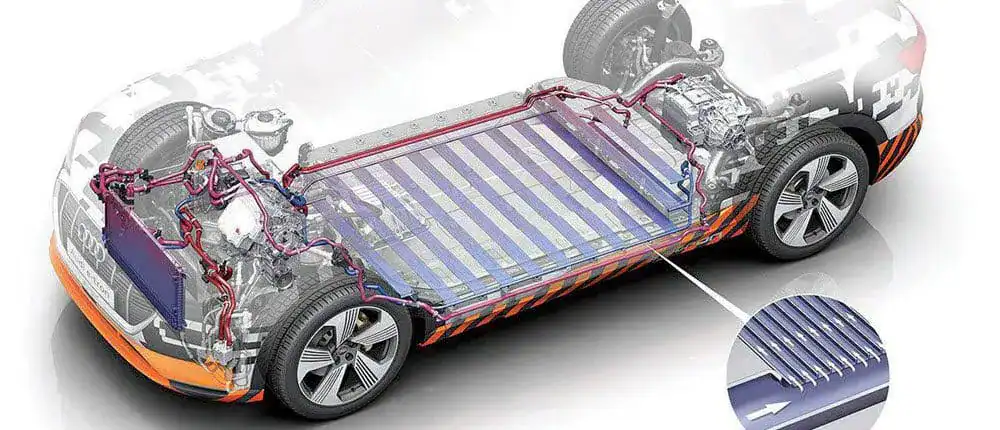
    Another dedicated to the inverter and hybrid drive system
  • This second system uses its own electric water pump and coolant loop.
    Overheating the inverter due to air bubbles or poor coolant flow can damage expensive electronics — so always bleed properly!
Hybrid car cooling system | iHybrid | Lower Mainland

The 12V Battery Doesn’t Start the Car

This surprises most people:

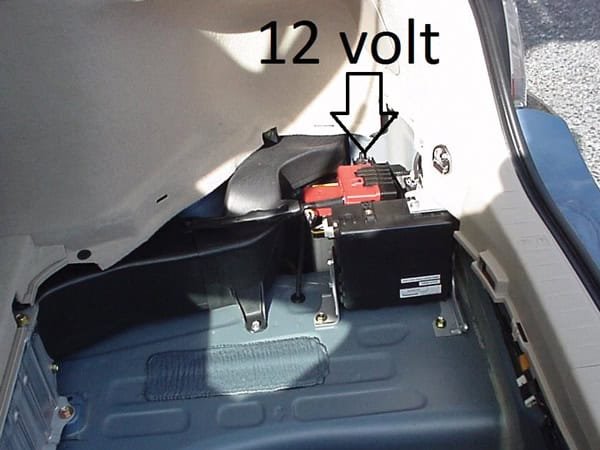
The 12-volt battery in a hybrid does NOT start the engine.

Its only job is to power the car’s computers, relays, sensors, and control modules. Once the system boots up, the high-voltage system takes over to move the car.

That’s why a weak 12V battery can cause weird warning lights, false codes, or failure to “READY” — even though the engine doesn’t crank like in a regular car.


12V Battery | iHybrid | Lower Mainland

Brake System Uses Regeneration + Pressure Accumulators

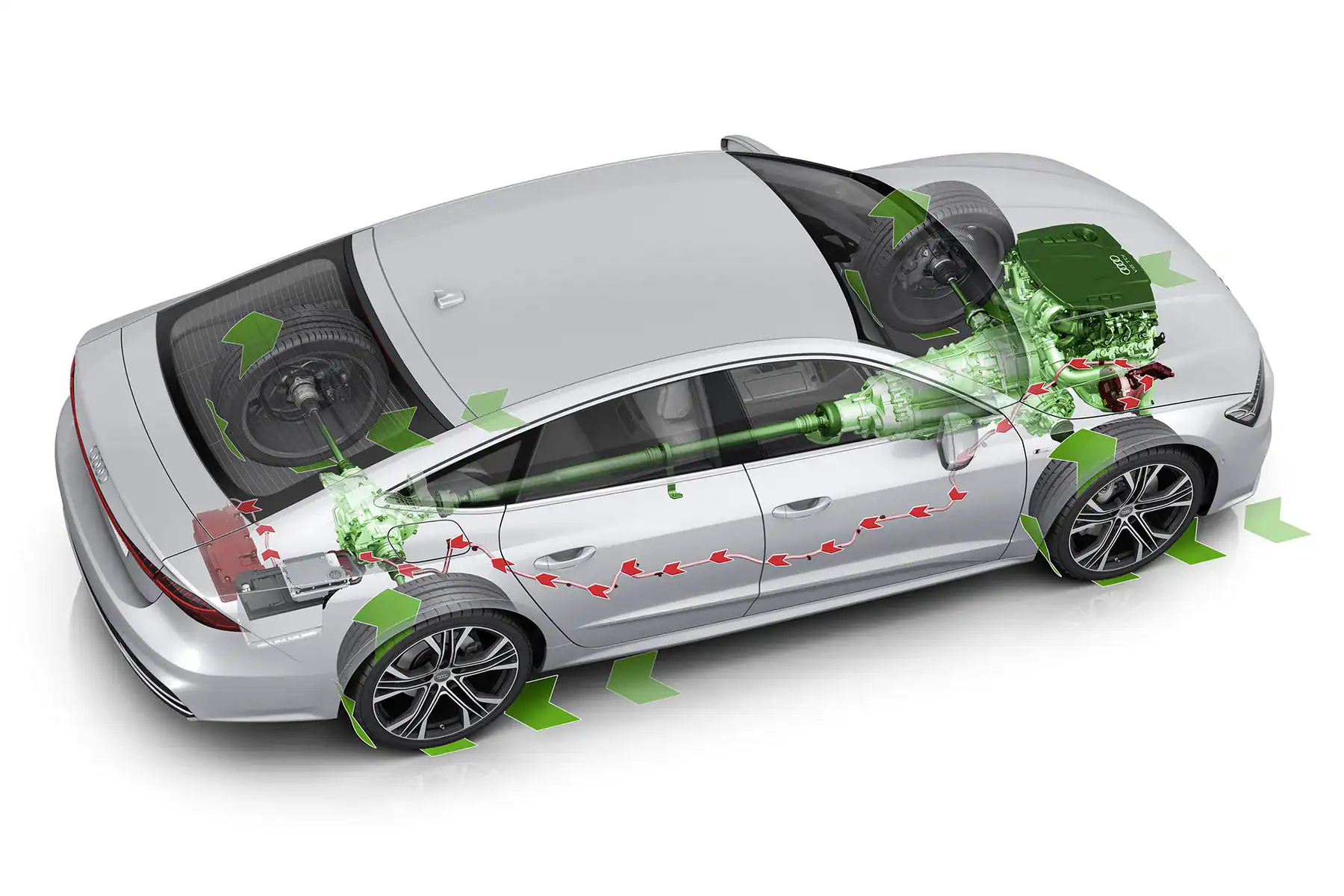
Hybrids recover energy during braking using regenerative braking, which puts resistance on the wheels to recharge the battery.

So the actual friction brakes are used less, and the brake feel is controlled by complex software and brake actuator pumps — not just a master cylinder and booster.

More Relays, Computers & High-Voltage Safety Systems

There’s a lot more going on electronically in a hybrid:
  • HV battery relays (contactors) that close only after multiple checks
  • Inverter assembly that converts AC/DC power
  • Multiple ECUs (engine, hybrid, battery, brake, inverter, etc.)
  • Pre-charge circuits, safety interlocks, and high-voltage fuses

It’s not just a gas engine with a battery — it’s a parallel computing system on wheels.

Final Thoughts

If you’re approaching a hybrid like a normal gas car, you’re going to run into confusion — or worse, make costly mistakes.

At iHybrid Battery Inc., we specialize in hybrid systems from the battery to the brakes, and everything in between.

Whether you’re a technician or a curious driver, understanding these core differences will save you time, money, and frustration.