















Why Cell Balancing Is Critical in an EV Battery Pack
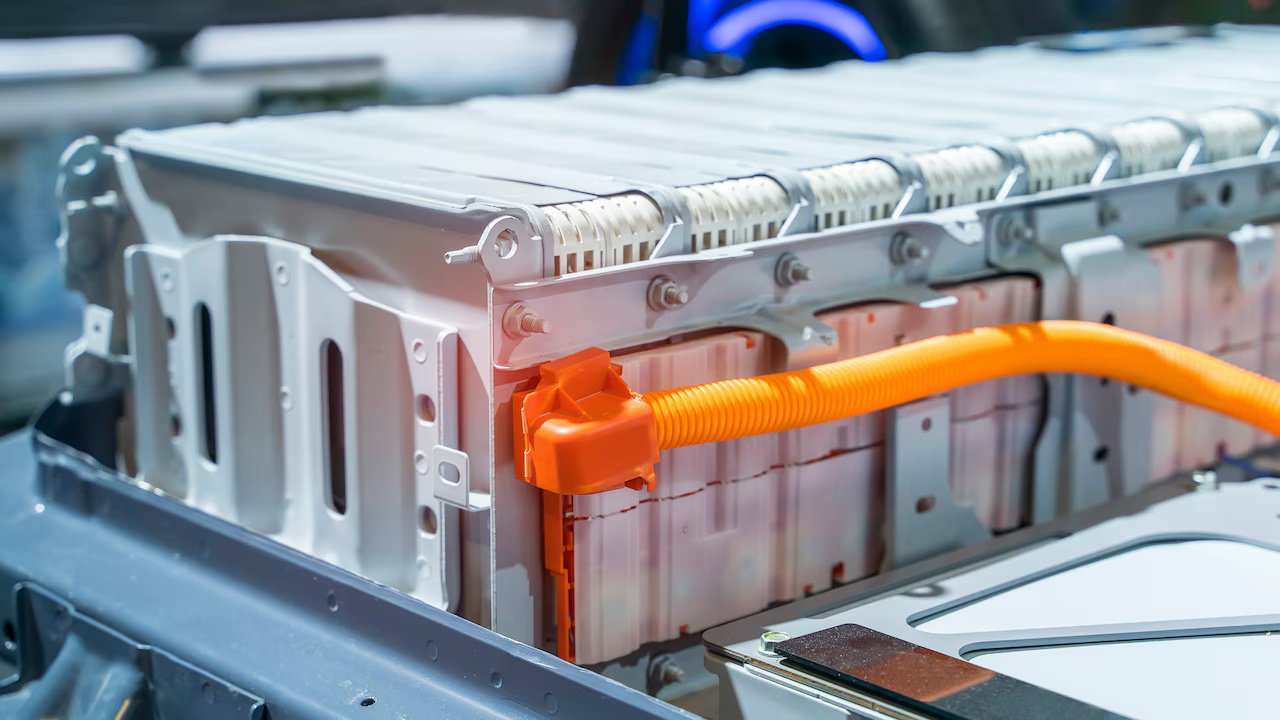
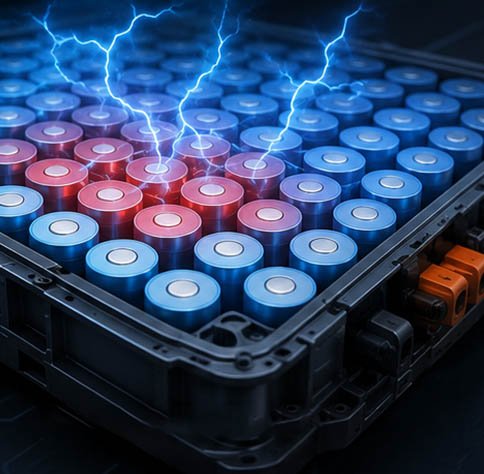
When most people think about an electric vehicle (EV) battery, they picture one large battery powering the entire vehicle. In reality, an EV battery pack is made up of hundreds—or even thousands—of individual lithium-ion cells working together as a single energy source.
For the battery pack to perform efficiently, every cell must operate at nearly the same voltage and State of Charge (SOC). If one or more cells become significantly different from the rest, the performance of the entire battery pack can suffer.
This is where cell balancing plays a critical role.
What Is Cell Balancing?
Cell balancing is the process of equalizing the voltage and State of Charge (SOC) of every battery cell within an EV battery pack. This process is managed by the vehicle’s Battery Management System (BMS), which continuously monitors each cell during charging, discharging, and normal operation.
As batteries age, slight differences naturally develop between individual cells due to manufacturing tolerances, temperature variations, and usage patterns. Without balancing, these differences gradually increase, leading to reduced battery performance and efficiency.
The goal of cell balancing is to keep every cell working together as uniformly as possible.
Why Is Cell Balancing Important?
Maximizes Battery Capacity
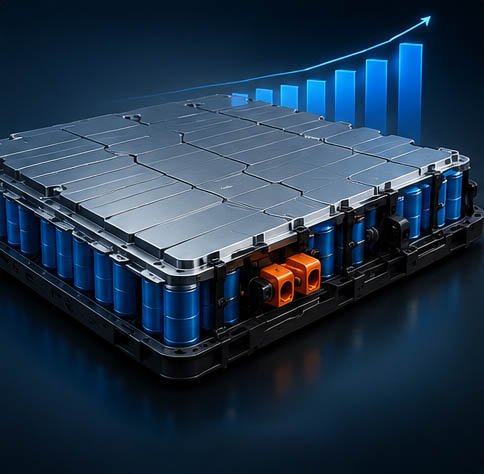
An EV battery pack can only deliver as much energy as its weakest cell allows.
If one cell reaches its maximum charge before the others, charging must stop to prevent overcharging. Likewise, if one cell becomes discharged earlier than the rest, the vehicle must stop drawing power to avoid damaging that cell.
Balanced cells allow the battery pack to utilize more of its available capacity, resulting in improved driving range and charging efficiency.

Improves Safety
Safety is one of the primary reasons modern EVs use sophisticated Battery Management Systems.
Cell imbalance can increase the risk of:
- Overcharging
- Over-discharging
- Excessive heat generation
- Accelerated cell degradation
By maintaining balanced cell voltages, the BMS helps keep every cell operating within its safe limits, reducing the likelihood of battery-related issues.
Extends Battery Life
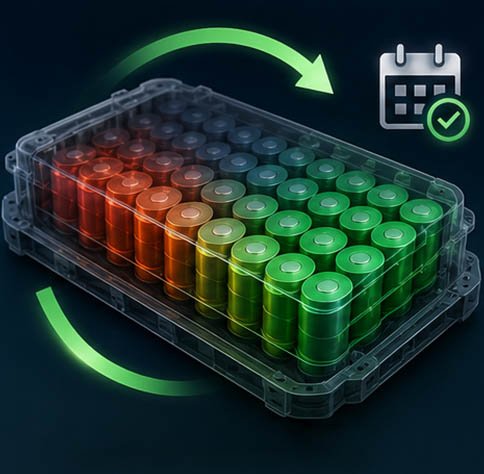
Battery cells rarely age at exactly the same rate.
When some cells are consistently overworked while others remain underutilized, they degrade more quickly. Over time, this uneven aging reduces the overall health of the battery pack.
Cell balancing distributes the workload more evenly across all cells, helping slow battery degradation and extending the battery’s usable lifespan.
Delivers Consistent Performance
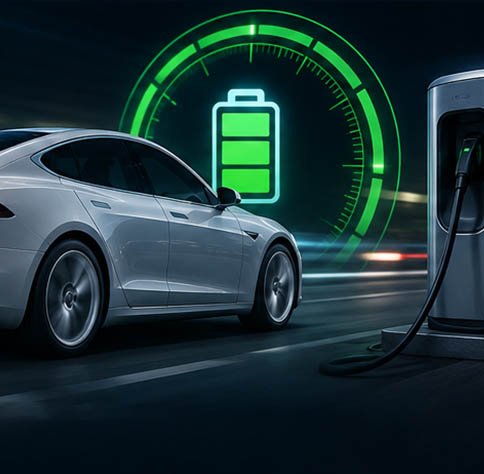
Balanced battery cells contribute to predictable and reliable vehicle performance.
Drivers may experience:
- Stable acceleration
- Consistent regenerative braking
- Reliable charging performance
- More accurate battery range estimates
Without proper balancing, performance can become inconsistent as the Battery Management System compensates for weaker cells.
Reduces Cell Stress
Cells operating at significantly different voltages experience greater electrical and thermal stress.
Over time, this stress accelerates aging and can increase internal resistance, reducing overall battery efficiency.
Cell balancing minimizes these differences, helping maintain healthier operating conditions throughout the battery pack.
What Happens If Cells Become Unbalanced?
Even a small imbalance between battery cells can affect the entire battery pack.
Some common symptoms include:
- Reduced driving range
- Longer charging times
- Lower battery efficiency
- Battery warning messages
- Faster battery degradation
- Reduced overall battery capacity
In severe cases, the Battery Management System may limit vehicle performance or restrict charging to protect the battery from damage.
Types of Cell Balancing
Passive Cell Balancing
Passive balancing is the most common approach in many electric vehicles.
When a cell reaches a higher voltage than the others, the Battery Management System removes the excess energy by converting it into heat through resistors.
Advantages:
- Simple design
- Lower manufacturing cost
- Reliable operation
Limitations:
- Energy is wasted as heat
- Less efficient for large battery packs
Active Cell Balancing
Active balancing transfers energy directly from higher-voltage cells to lower-voltage cells instead of dissipating it.
This method improves overall efficiency because energy remains within the battery pack rather than being lost as heat.
Advantages:
- Higher energy efficiency
- Better battery utilization
- Lower heat generation
- Improved long-term battery health
Limitations:
- More complex electronics
- Higher cost
How the Battery Management System Supports Cell Balancing
The Battery Management System (BMS) is responsible for much more than simply balancing cells.
It continuously monitors:
- Individual cell voltage
- Battery temperature
- Current flow
- State of Charge (SOC)
- State of Health (SOH)
Based on this information, the BMS determines when balancing is necessary and ensures every cell remains within safe operating limits.
Without a properly functioning BMS, even a healthy battery pack can develop significant cell imbalance over time.
Can Cell Imbalance Be Fixed?
In many cases, yes.
Professional EV battery diagnostics can identify whether reduced battery performance is caused by cell imbalance, aging battery modules, or other issues within the battery management system.
Depending on the condition of the battery, solutions may include:
- Battery diagnostics
- Battery module repair or replacement
- Battery Management System inspection
- Battery reconditioning
- Complete battery pack repair
Final Thoughts
An EV battery pack is only as strong as its weakest cell. Even a single cell operating outside the normal range can reduce battery capacity, charging efficiency, performance, and overall lifespan.
Cell balancing ensures every battery cell works together as a unified system, helping maximize available energy, improve safety, reduce wear, and extend the life of the battery pack.
Whether you’re an EV owner looking to understand your vehicle better or considering battery maintenance and repair, understanding the importance of cell balancing is a key step toward keeping your electric vehicle performing at its best.