















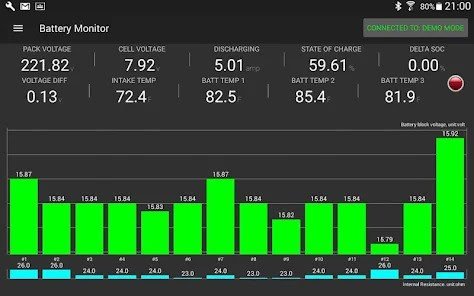
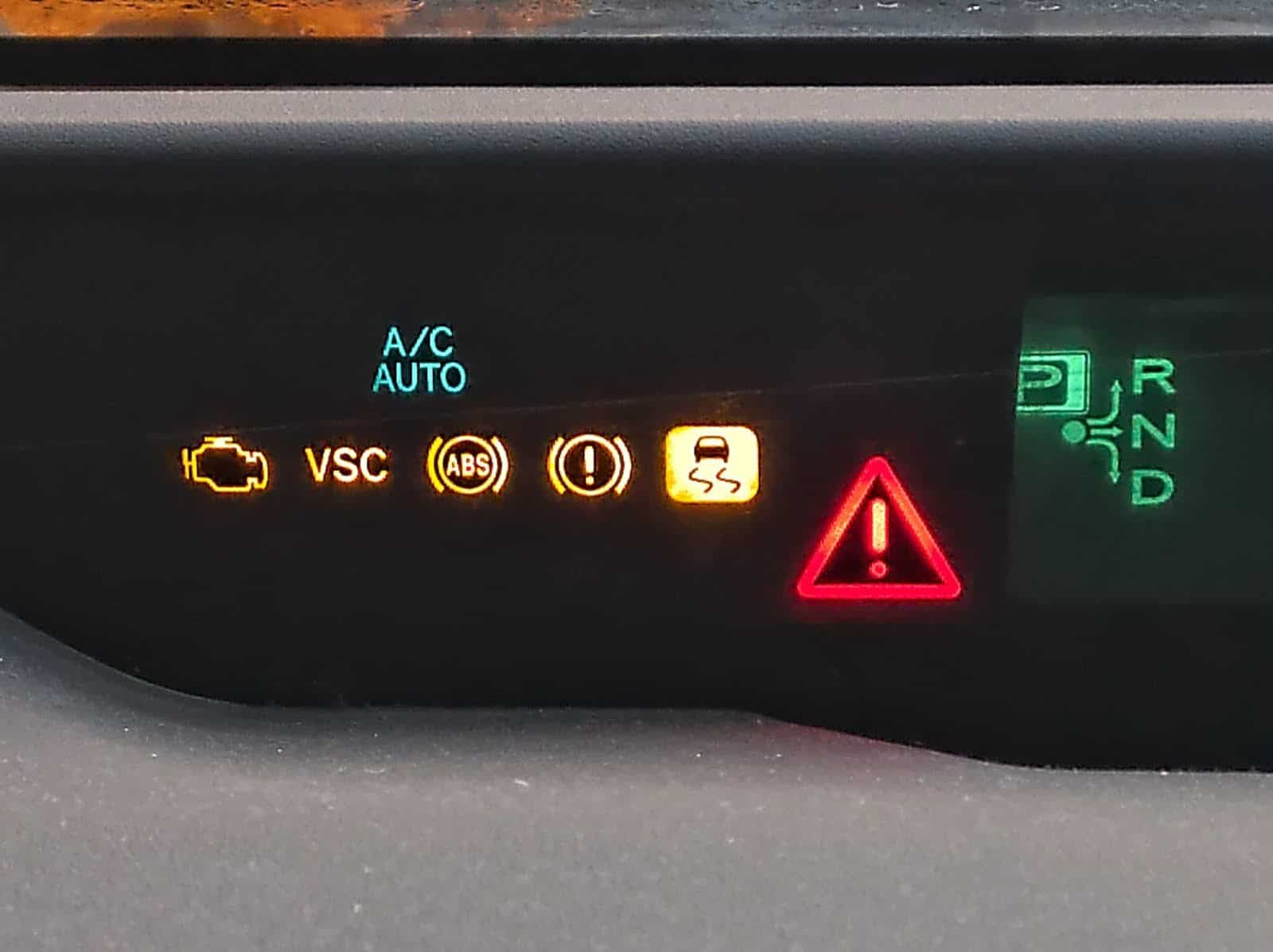
Hybrid owners often see a warning light on their dashboard, plug in an app like Dr. Prius, and discover that one or more cells (modules) inside the battery pack appear weak.
The natural question that follows is:
“Can I just change the bad cell and be done with it?”
The answer is: it depends. Let’s break it down.
How Do Hybrid Batteries Fail?
The main culprit is heat. Over time, the modules inside a hybrid battery pack degrade due to constant charging and discharging cycles. High temperatures accelerate this wear, creating imbalances between modules. Eventually, the car’s computer notices one or more modules dropping below acceptable performance, and it triggers the warning light.
Step 1: Identify Your Battery Pack Type
OEM Pack (Factory-Installed)
If the pack is original or has been in the car for over 6–12 months, chances are all the modules have aged together. Replacing just one weak module may give you only a temporary fix (2–4 months) before another module fails.
Refurbished Pack (Recently Installed)
If you bought a refurbished battery recently and one module fails, it could be because the rebuilder used a weak module. In this case, replacing the bad cell might actually solve the issue, provided the replacement is properly matched.
The Importance of Matching Modules
Swapping in a random module is not enough. The replacement must be:
- Similar in capacity to the rest (within ~300 mAh).
- Never below 4000 mAh capacity.
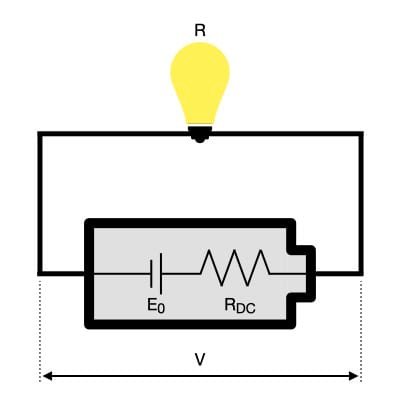
- Close in internal resistance (all modules should be within 0.5 milliohm of each other, and no module should be above 7.5 milliohms at 25°C).
- Balanced in charge level before installation.
Without proper matching, the replacement will quickly fall out of sync, and the cycle of failures continues.
DIY Repacking for Better Results
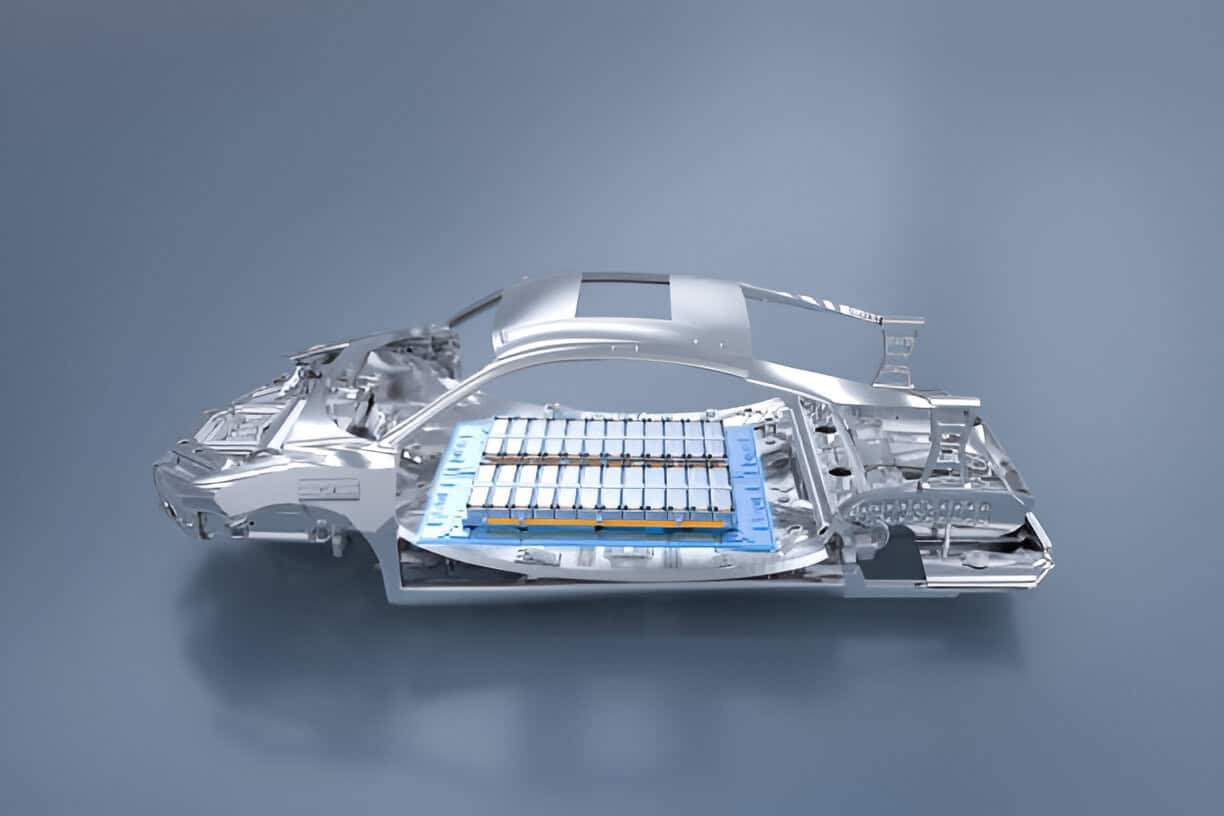
For those determined to rebuild their own packs, the next step is to test the remaining capacity of all modules using proper equipment. Once you know which modules are strong and which are weak:
- Place the higher capacity modules in the middle of the pack (where heat stress is higher).
- Move weaker (but still usable) modules toward the edges.
- Discard any module below 3500–4000 mAh capacity.
This careful repacking can extend pack life by 12–36 months compared to a quick single-module swap.
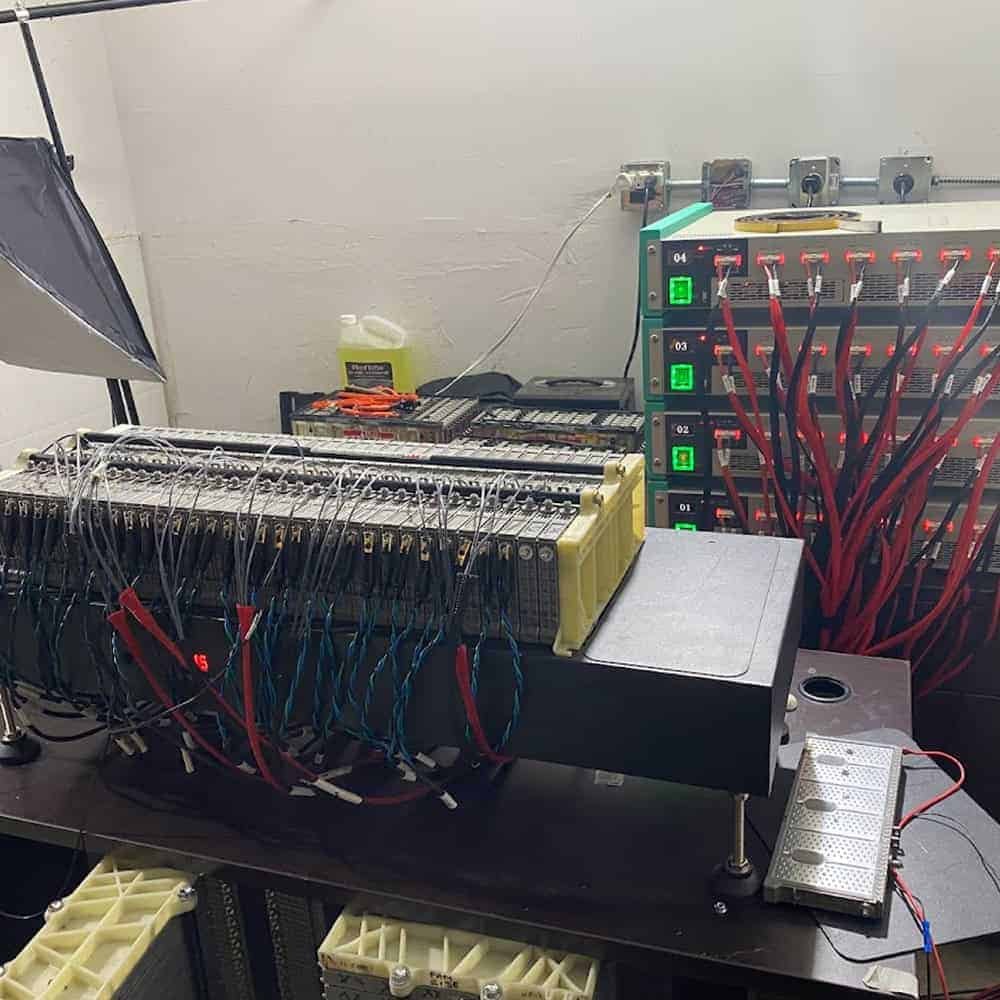
Important Steps When Repacking the Battery
- Clean the bus bars thoroughly before reassembly. Use only copper bus bars—avoid the cheap steel ones often sold online. They require extra thickness to match copper’s resistance, but still suffer from higher contact resistance. It’s better to either use proper copper or clean your existing bars with a file.
- Use an insulation resistance meter to check for any electrolyte leaks. Electrolyte is highly corrosive and will leave visible marks on the battery tray if present.
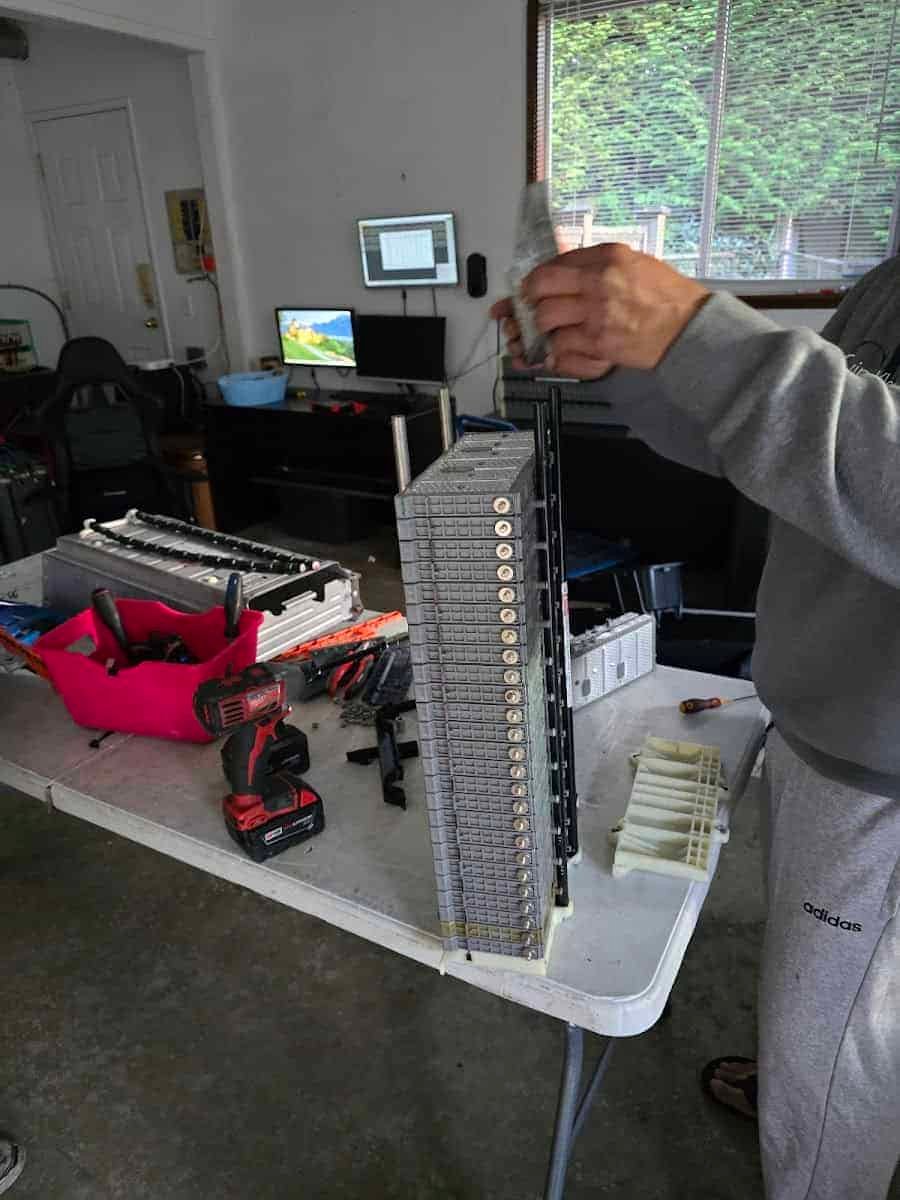
Essential Tools You’ll Need
To do the job properly, you’ll need the right equipment:
- Impact drill with driver bits (8mm, 10mm, 12mm socket set)
- Digital multimeter
- Internal resistance meter
- Insulation resistance meter
- Capacity grader (ideally 8-channel, otherwise testing will take a very long time)
Without these tools, it’s nearly impossible to properly diagnose, rebuild, and balance a hybrid battery pack.
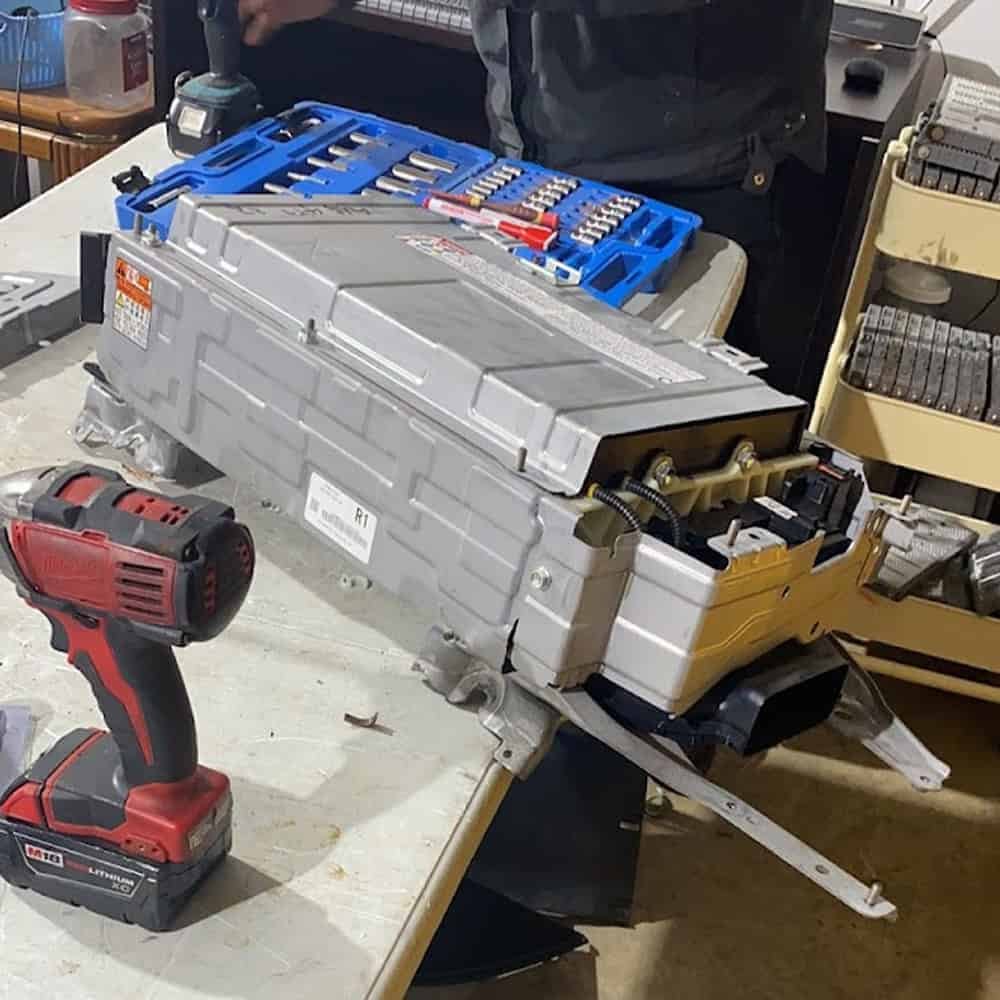
Bottom Line
Single-cell replacement = short-term solution for most OEM or older refurbished packs.
Properly matched replacement can help if the pack is new and just one bad cell slipped in.
For the best long-term reliability, a full reconditioning, cleaning, and balancing process is required with the right tools.
If you’re seeing a “bad cell” warning on Dr. Prius or similar apps, remember: fixing hybrid batteries isn’t just about swapping parts—it’s about restoring balance and doing the job right.