















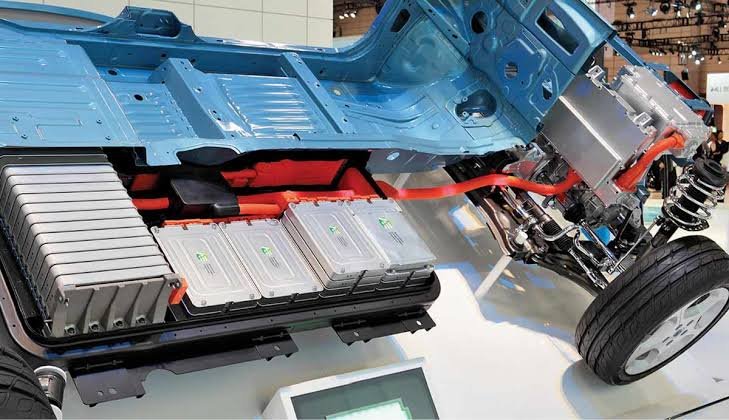
Electric vehicles rely on much more than just an electric motor. At the heart of every EV is a high-voltage battery pack, and one of the most important components responsible for keeping that battery operating safely and efficiently is the Battery Management System (BMS).
At iHybrid Battery, we work with hybrid and electric vehicle batteries, and BMS data plays an important role in understanding battery condition, identifying faults, and diagnosing performance problems.
What Is a Battery Management System?
The Battery Management System (BMS) is the electronic control system responsible for monitoring and managing the high-voltage battery pack.
An EV battery contains many individual cells arranged into modules and connected together to create the voltage and capacity required to power the vehicle. These cells need to operate within specific voltage and temperature limits.
The BMS continuously monitors the battery and helps ensure that it operates within those limits.
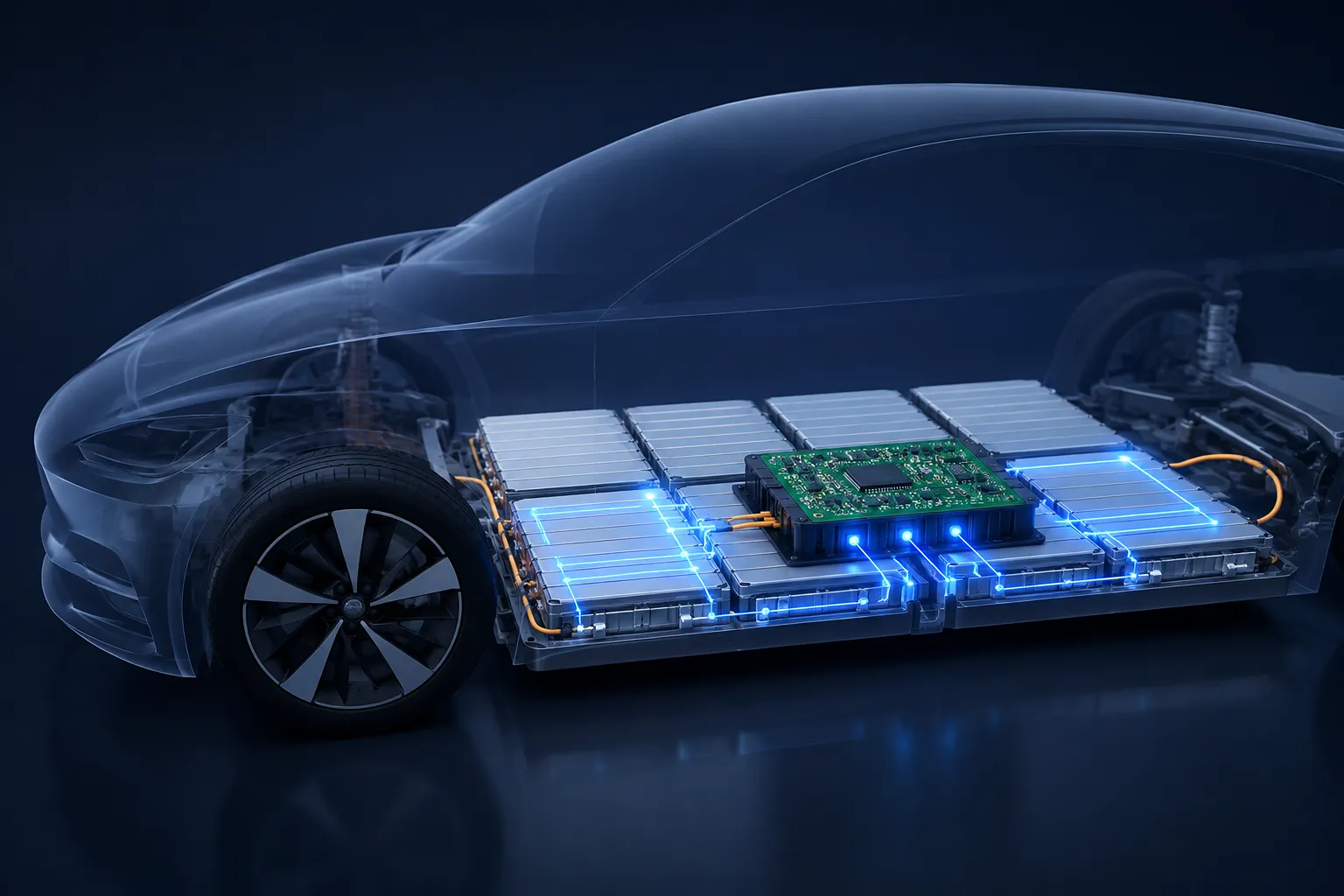
What Does an EV BMS Monitor?

Cell and module voltage

Battery current

Battery temperature
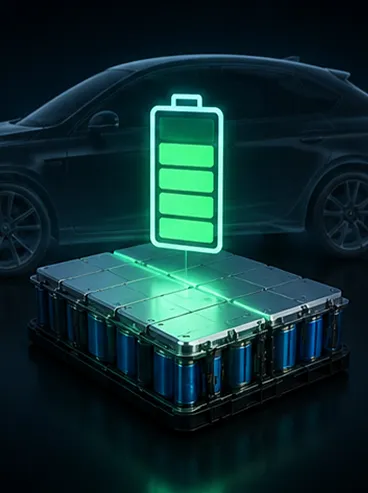
State of Charge (SOC)
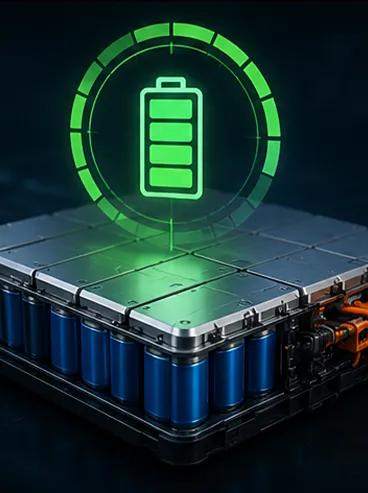
State of Health (SOH)
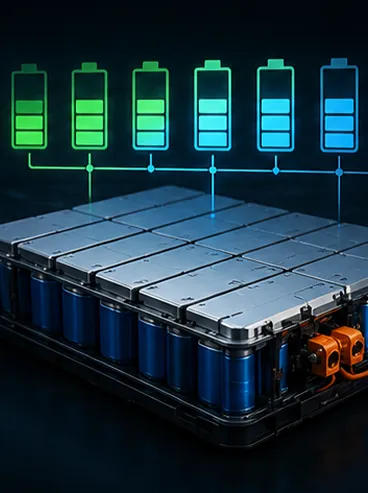
Voltage imbalance
Insulation and system faults
Why Is Cell Balancing Important?
An EV battery pack is only as reliable as the cells and modules working together inside it.
Over time, differences can develop between individual cell groups. Some may reach their upper or lower voltage limits before others. The BMS uses cell balancing to help keep the cells operating at similar voltage levels.
Proper balancing can help:
- Maintain usable battery capacity
- Improve battery pack efficiency
- Reduce excessive differences between cells
- Prevent individual cells from reaching unsafe voltage limits
- Support better long-term battery performance
However, cell balancing cannot repair a severely degraded or damaged cell. A significant voltage difference may indicate an underlying battery problem that requires further diagnosis.
The BMS Is a Critical Battery Protection System
Safety is one of the most important responsibilities of the BMS.
Lithium-ion batteries must remain within specific operating limits. If the BMS detects conditions that could potentially damage the battery or create a safety concern, it can command the vehicle to limit battery operation.
Depending on the vehicle and fault, the system may:
- Reduce available power
- Limit charging
- Limit regenerative braking
- Prevent fast charging
- Store diagnostic trouble codes
- Display an EV or battery warning
- Prevent the high-voltage contactors from closing
- Prevent the vehicle from starting or charging
Why BMS Data Is Important for EV Battery Diagnostics
When diagnosing an EV battery problem, simply reading the overall battery voltage usually isn’t enough.
A battery pack may show a normal total voltage while one module or cell group is significantly weaker than the others.
For this reason, proper EV battery diagnostics can involve examining:
- Individual cell or module voltages
- Maximum and minimum cell voltage
- Voltage delta between cells
- Battery temperatures
- State of Charge
- State of Health
- Charging and discharging behavior
- Battery current
- Stored BMS fault codes
- High-voltage insulation condition
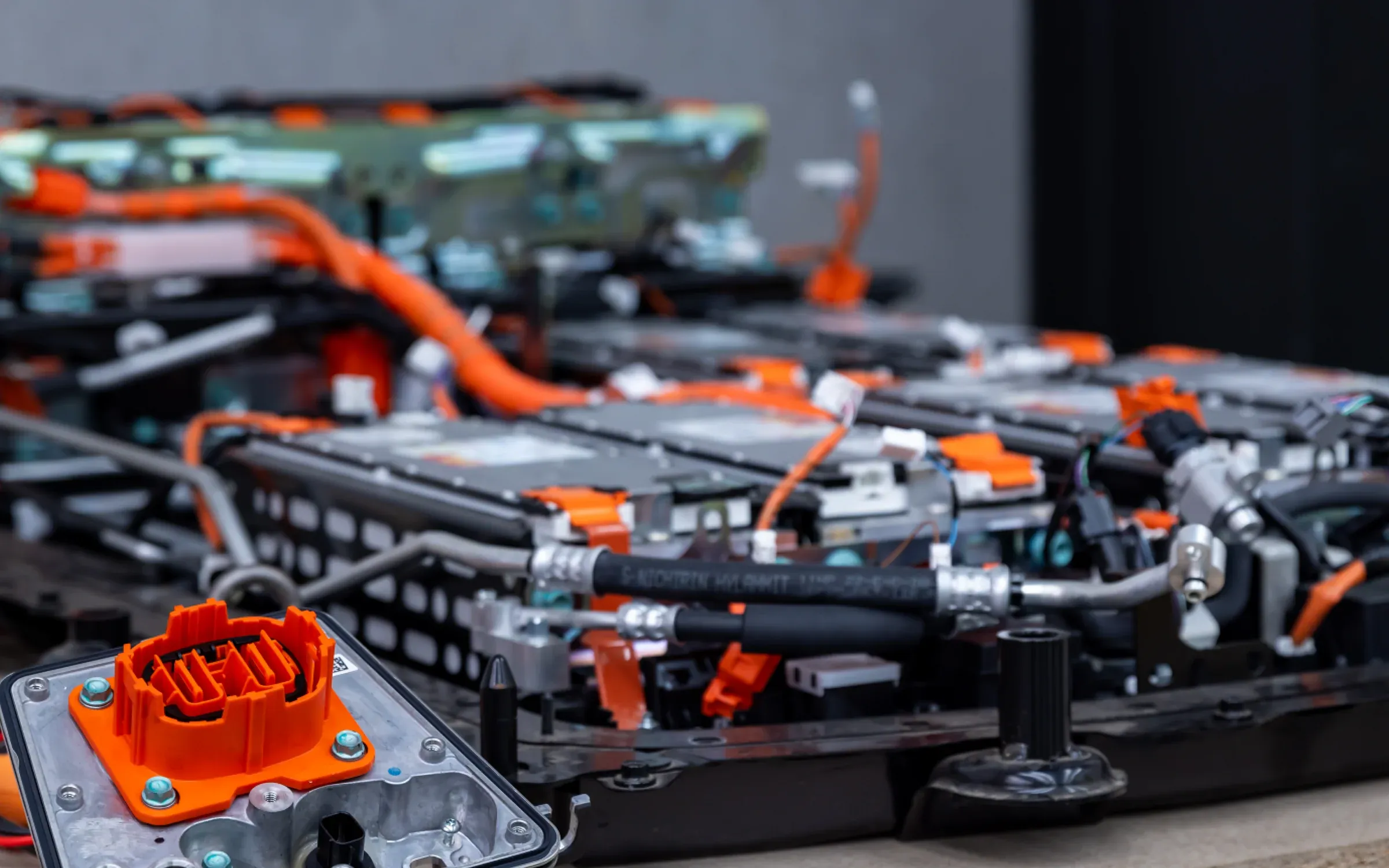
This information can help determine whether the problem involves the battery cells themselves, the BMS, sensors, contactors, wiring, cooling system, or another part of the high-voltage system.
Battery, BMS, Motor and Power Electronics Work Together
An electric vehicle should be viewed as a complete system rather than a collection of independent components.
- The battery stores the energy.
- The BMS monitors and manages the battery.
- The inverter and power electronics control the delivery and conversion of electrical power.
- The electric motor converts that electrical energy into mechanical power to move the vehicle.
The BMS Is the Brain Behind the EV Battery
The high-voltage battery may be the energy source of an electric vehicle, but the BMS is effectively its management and protection system.
From monitoring individual cell voltages and temperatures to controlling charging limits and detecting abnormal conditions, the BMS plays a major role in battery safety, performance, reliability, and longevity.
For EV owners, understanding BMS data can also help explain why a vehicle may experience reduced range, charging problems, power limitations, warning messages, or other battery-related symptoms.
At iHybrid Battery, our focus is on hybrid and electric vehicle battery diagnostics, repair, replacement, and battery solutions for vehicles including Tesla, Nissan LEAF, Ford, Chevrolet, Toyota, Lexus, and many other hybrid and electric models.