















Electric vehicles (EVs) have transformed the way we think about transportation. They deliver smooth acceleration, lower running costs, and significantly reduce emissions compared to traditional gasoline-powered vehicles. However, one concern remains at the top of every EV owner’s mind: battery lifespan.
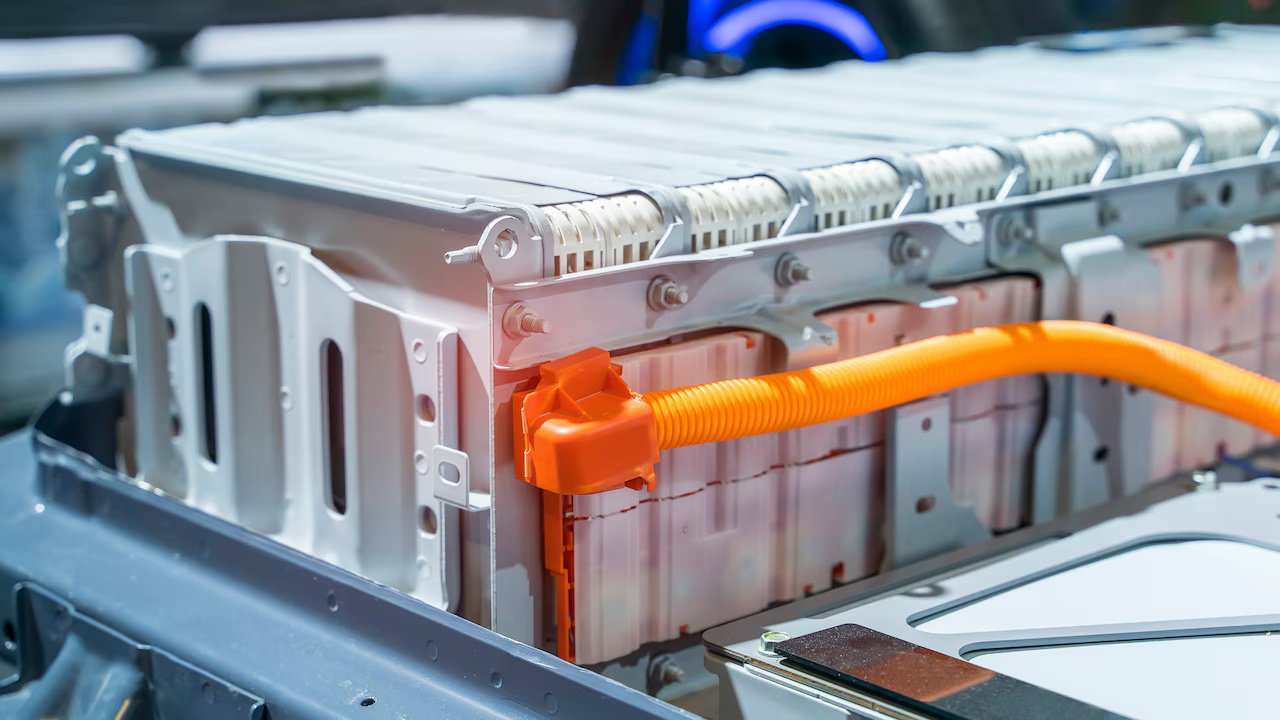
An EV battery is the single most expensive component in the vehicle. While manufacturers design modern lithium-ion battery packs to last for many years, their longevity largely depends on how they are used and maintained. Surprisingly, battery degradation is often caused by everyday habits that many drivers don’t realize are harmful.
Understanding these factors can help you preserve battery health, maximize driving range, and avoid costly repairs in the future.
Understanding EV Battery Degradation
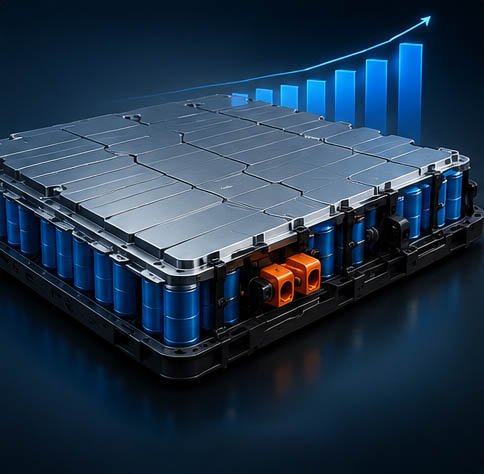
Battery degradation is a gradual reduction in the amount of energy a battery can store. As the battery ages, its capacity decreases, resulting in reduced driving range between charges.
This process is natural and unavoidable, but the speed of degradation varies depending on several factors, including:
- Charging habits
- Operating temperature
- Driving style
- Storage conditions
- Frequency of fast charging
1. Frequently Charging to 100%
Many drivers believe charging to 100% every night is the best way to maximize range. While this may seem logical, consistently keeping a lithium-ion battery at full charge increases internal stress.
High battery voltage accelerates chemical aging inside the battery cells, especially when the vehicle remains fully charged for extended periods.
Best Practice
For everyday commuting, maintain the battery between 20% and 80% whenever possible. Reserve a full charge for long-distance trips where the extra range is actually needed.

2. Letting the Battery Run Too Low
Regularly driving until the battery reaches extremely low levels can also shorten its lifespan.
Deep discharges force the battery to operate under higher stress, which contributes to long-term wear.
Recommended Charge Window
Instead of waiting until the battery is nearly empty, recharge before it falls below approximately 20% during normal use.

3. Overusing DC Fast Charging
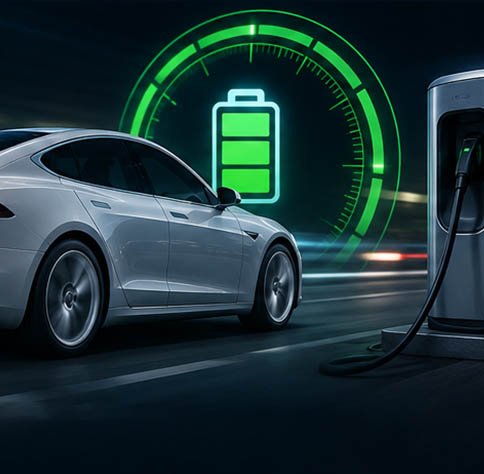
Fast chargers are incredibly convenient, especially during road trips. However, relying on them as your primary charging method can generate additional heat inside the battery.
Heat is one of the leading contributors to battery degradation.
When to Use Fast Charging
DC fast charging is ideal when:
- Traveling long distances
- Emergency charging situations
- Occasional convenience
For daily charging, Level 2 home charging remains the healthiest option for most EV batteries.
4. High Temperatures
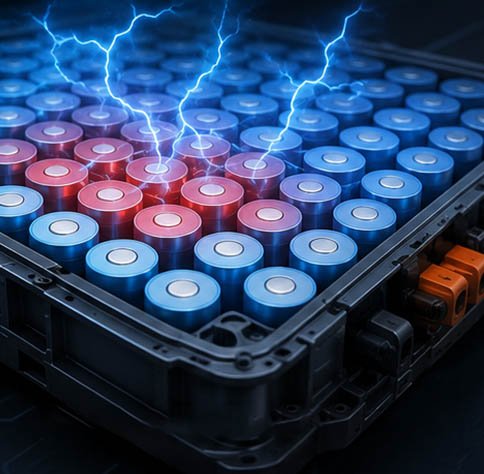
Extreme heat accelerates chemical reactions inside lithium-ion batteries, causing faster capacity loss over time.
Parking outside under direct sunlight for long periods, especially during summer, increases battery temperature and forces the cooling system to work harder.
Ways to Reduce Heat Exposure
- Park in shaded areas whenever possible.
- Use covered parking or a garage.
- Charge during cooler evening hours.
- Avoid fast charging immediately after aggressive driving.
5. Cold Weather Doesn't Always Mean Permanent Damage
Many new EV owners become concerned when they notice reduced driving range during winter.
In reality, cold temperatures temporarily slow the chemical reactions inside the battery rather than permanently damaging it.
The battery simply becomes less efficient until it warms back to its optimal operating temperature.
Helpful Tip
If your EV supports battery preconditioning, use it before driving or before visiting a fast charger during cold weather.
6. Aggressive Driving Habits
Instant torque is one of the biggest attractions of electric vehicles. Rapid acceleration is exciting, but repeated hard launches increase battery load and heat generation.
Smooth driving benefits both efficiency and battery health.
Drive More Efficiently By
- Accelerating gradually
- Maintaining steady speeds
- Anticipating traffic conditions
- Using regenerative braking effectively
7. Long-Term Storage at Full Charge
Leaving an EV parked for several days or weeks while fully charged isn’t ideal.
Similarly, storing it with a nearly empty battery can also be harmful.
Ideal Storage Level
If the vehicle won’t be used for an extended period, leave the battery between 40% and 60%. This range minimizes stress on the battery during storage.
8. Ignoring Battery Management Features
Modern EVs include sophisticated Battery Management Systems (BMS) that automatically regulate charging, temperature, and overall battery health.
Many manufacturers also provide features like:
- Charge scheduling
- Charge limits
- Battery preconditioning
- Smart charging optimization
Using these built-in tools can significantly improve long-term battery performance.
9. Excessive Vehicle Weight
Carrying unnecessary cargo forces the electric motor to consume more energy during acceleration and climbing.
Although this doesn’t directly damage the battery, increased energy demand results in more charging cycles over time, which naturally contributes to battery wear.
Keeping your vehicle as light as practical helps improve overall efficiency.
10. Neglecting Tire Maintenance
Underinflated tires increase rolling resistance, making the electric motor work harder.
This leads to:
- Reduced driving range
- Increased energy consumption
- More frequent charging
Checking tire pressure once each month is a simple maintenance task that benefits both battery efficiency and overall safety.
Simple Daily Habits That Protect Your EV Battery
Protecting your battery doesn’t require complicated maintenance. Small changes in your routine can make a noticeable difference over the vehicle’s lifetime.
Consider these habits:
- Keep daily charging between 20% and 80%.
- Use Level 2 charging whenever possible.
- Reserve DC fast charging for longer journeys.
- Avoid exposing the vehicle to prolonged extreme heat.
- Precondition the battery during cold weather.
- Drive smoothly instead of accelerating aggressively.
- Maintain proper tire pressure.
- Store the vehicle at approximately 50% charge if it won't be driven for an extended period.
Common Myths About EV Batteries
Myth:
- Charging overnight always damages the battery.
Reality:
- Most modern EVs stop charging automatically once the preset limit is reached. Using a charge limit of 80% makes overnight charging perfectly acceptable for everyday use.
Myth:
- EV batteries fail after only a few years.
Reality:
- Most manufacturers design battery packs to last well over 150,000–200,000 miles, and many continue performing reliably beyond that with proper care.
Myth:
- Cold weather permanently ruins EV batteries.
Reality:
- Winter temporarily reduces available range, but normal performance typically returns once temperatures rise.
Final Thoughts
Battery degradation is a natural part of owning an electric vehicle, but it doesn’t have to happen quickly. The biggest contributors to premature battery aging are often everyday habits that are easy to change.
By charging within recommended limits, minimizing unnecessary fast charging, protecting the battery from extreme temperatures, and adopting efficient driving habits, you can help preserve battery capacity for years to come.
A well-maintained EV battery not only delivers better driving range but also improves resale value and reduces long-term ownership costs. Small adjustments today can extend the life of one of your vehicle’s most valuable components and keep your electric vehicle performing at its best for many miles ahead.