















Safety First
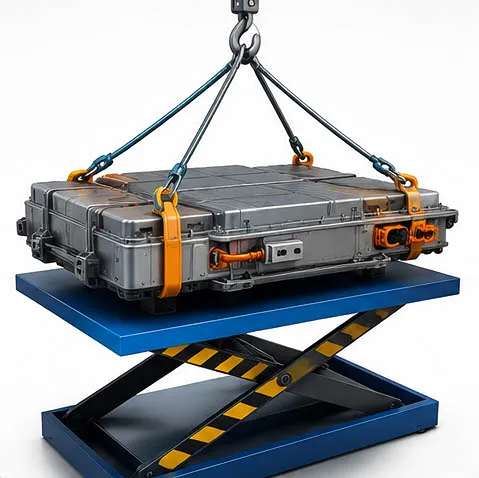
Heavy Weight Handling
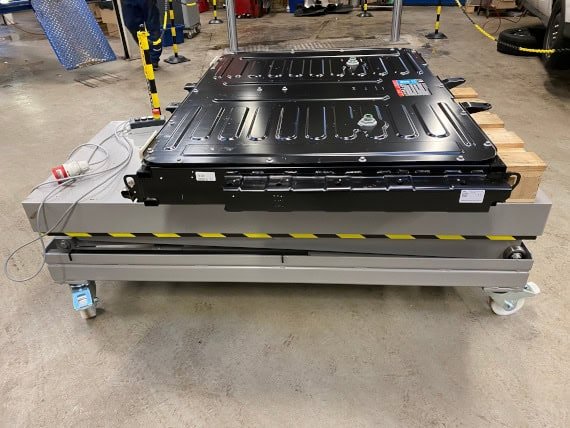
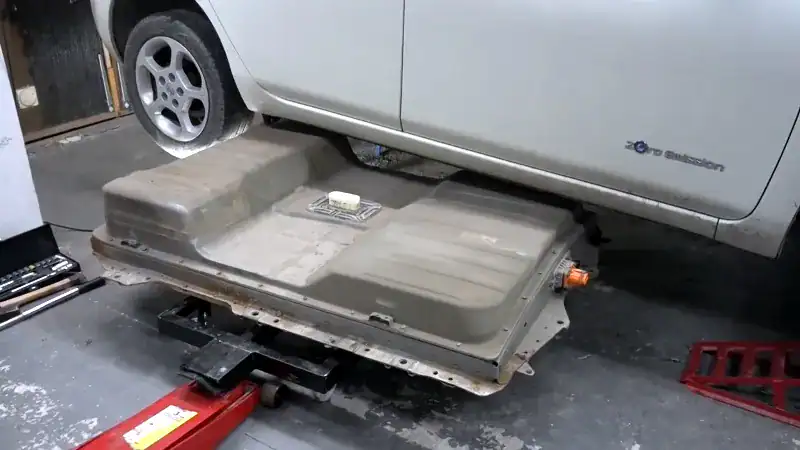
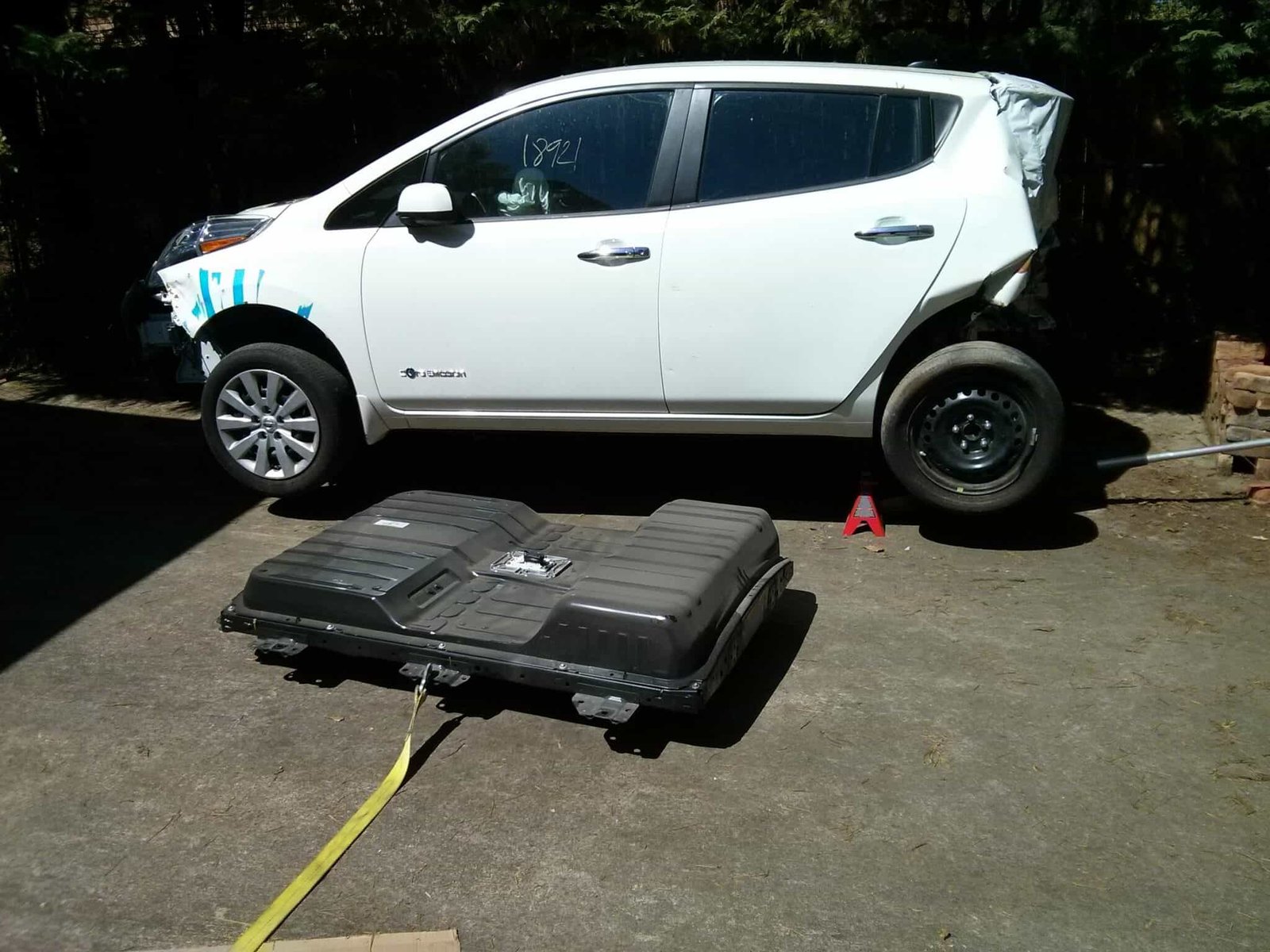
Leaf battery packs weigh anywhere from 277 kg to 410 kg (601 to 903 lbs) depending on the version. Mishandling this weight can result in serious injury or vehicle damage.
- Always use a hydraulic lift table rated for 1000+ lbs to support the battery during removal and installation.
- Ensure the lift surface is stable and flat — never use improvised jacks or blocks under the battery pack.
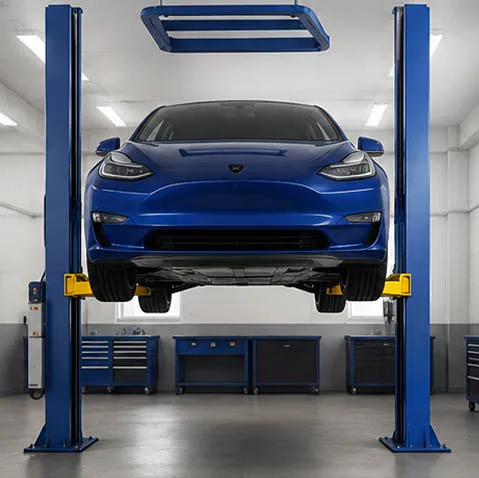
Proper Vehicle Hoisting
To access the high-voltage battery underneath the Leaf, you must raise the car about 3 feet off the ground.
- A 2-post or 4-post car lift is ideal for safe and stable elevation.
- If using ramps or jack stands, verify load ratings and stability before crawling underneath.
- Hoist at factory lift points located behind the front wheels and ahead of the rear wheels — never lift by the battery tray or suspension arms.
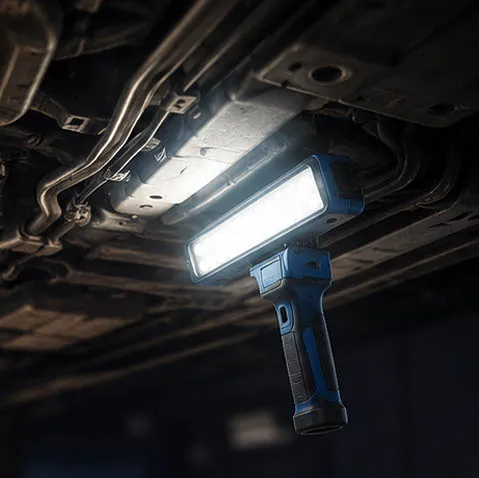
Underbody Lighting
- Use LED work lights or magnetic floodlights to fully illuminate the undercarriage.
- Headlamps are useful when both hands are needed in tight spaces.
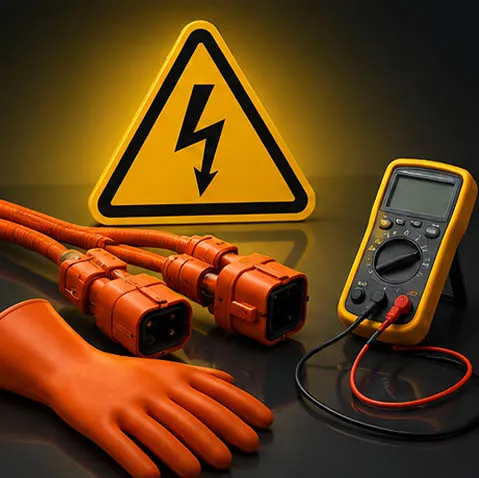
Damage to the Hybrid Battery
The Leaf’s battery pack operates at high voltage (up to 400V) — enough to cause severe injury or death.
- Disconnect the 12V auxiliary battery before starting.
- Never touch exposed high-voltage cables unless you're trained and using insulated tools.
- Wear Class 0 or higher insulated gloves rated for electrical work.
- Always verify zero voltage before beginning any electrical disconnection.

Eye Protection and Debris Risks
Working under a vehicle puts you at risk for falling debris, rust flakes, or pressurized grime.
- Wear safety goggles or a face shield at all times under the car.
- Avoid brushing loose dirt or rust directly into your face—clean carefully and slowly.
- Keep a first-aid kit nearby in case of minor cuts or irritation

General Safety Tips
- Never work alone on high-voltage systems — have someone nearby in case of emergency.
- Keep a fire extinguisher and spill kit on hand.
- If unsure about any step, consult with a trained EV technician before proceeding.
Introduction to Nissan Leaf Battery Upgrades
- A 2011 ZE0 Leaf receiving a 24kWh pack from a 2012 ZE0 — this is a direct swap.
- A 2011 ZE0 Leaf receiving a 24kWh pack from a 2015 AZE0 — this is a battery upgrade.
- A 2013 AZE0 Leaf receiving another 24kWh pack from a 2015 AZE0 — again, a direct swap.
- A 2015 AZE0 Leaf upgraded with a 40kWh pack from a 2018 ZE1 — this is a battery upgrade.
Performing a Direct Swap
- For Android: Version 0.46.172
- For iOS: Version 1.7.44.15 (via TestFlight)
Simply connect to the car, read DTCs, and perform a P3102 clear. Once done, the warning light disappears, and you’re ready to drive with restored range.
What About Battery Upgrades?
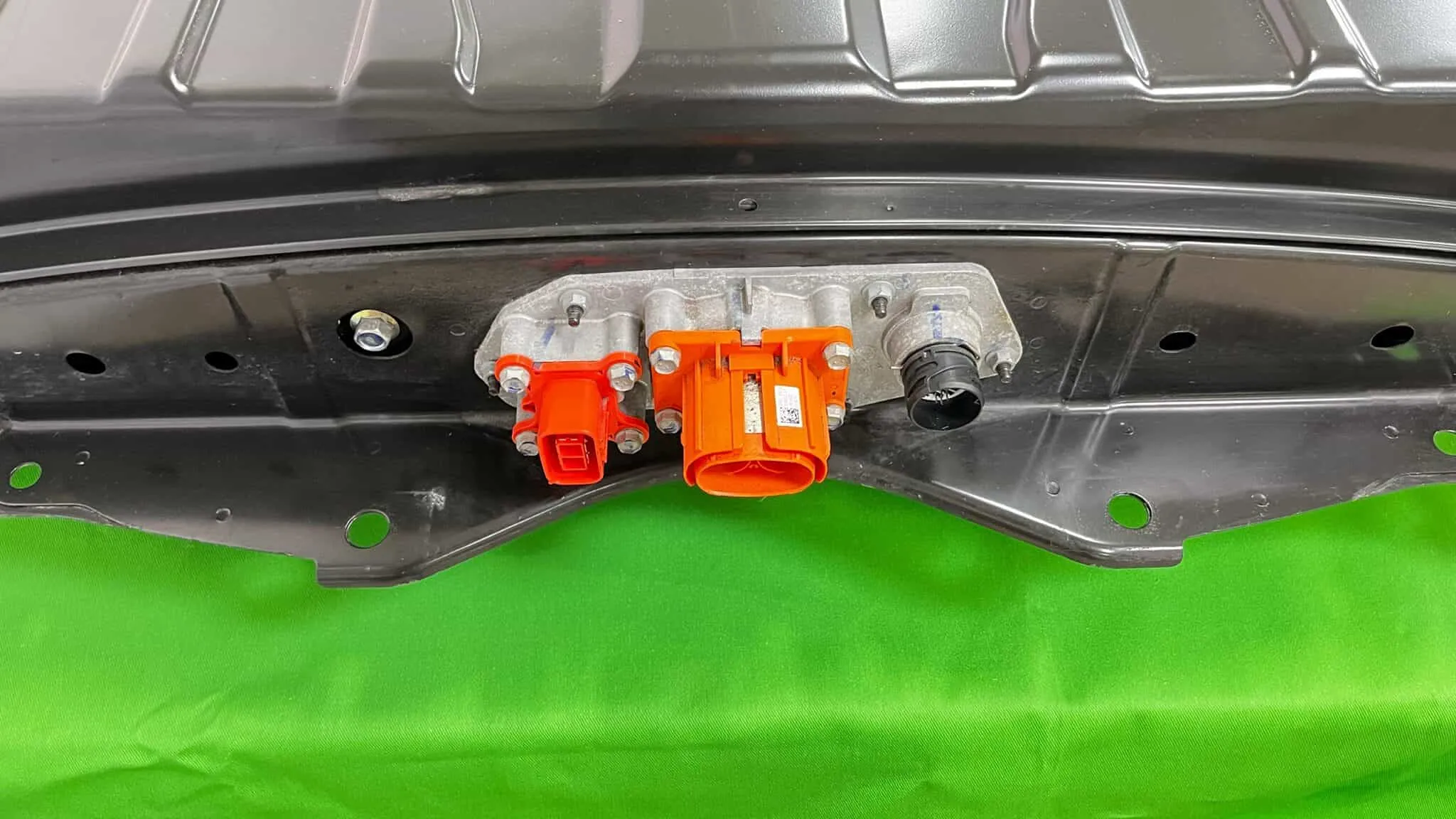
- 2011–2012 ZE0 Leaf: Requires both a B24 22-36 pin adapter and a CAN-bridge to ensure communication between the new battery and the vehicle’s systems.
- 2013+ AZE0, ZE1, and e-NV200: These models are more flexible and only require a CAN-bridge, as the upgraded batteries are typically mechanically plug-and-play.
Understanding Battery Versions (24kWh, 30kWh, 40kWh, 62kWh)
24kWh Battery Pack
-
Model Years:.
2011–2016 (ZE0 and early AZE0) -
Estimated Range:
100–130 km (real-world range varies depending on climate and driving habits) -
Chemistry:
Early versions suffered from heat-related degradation, especially in warmer climates.
This was the original battery that launched with the Nissan Leaf. It’s lightweight but had limited range. While many 24kWh Leafs are still on the road, their aging packs often trigger the need for an upgrade.
30kWh Battery Pack
-
Model Years:.
2016–2017 (AZE0) -
Estimated Range:
160–180 km (real-world) -
Chemistry:
Slight increase in capacity and improved range, but some 30kWh packs also suffered from premature degradation.
40kWh Battery Pack
-
Model Years:.
2018–2022 (ZE1) -
Estimated Range:
240–270 km (real-world) -
Chemistry:
Introduced with the ZE1 Leaf redesign. This pack became a game-changer for daily commuters looking for more range without moving to a larger EV.
62kWh Battery Pack
-
Model Years:.
2019–2022 (Leaf e+ / ZE1) -
Estimated Range:
350–400 km (real-world) -
Chemistry:
For long-distance drivers, the 62kWh pack brings the Leaf closer to modern EV range expectations.
What About Chinese Replacements?
In recent years, aftermarket Chinese battery packs have entered the scene. These typically use LiFePO₄ or NCM cells and can range anywhere from 24kWh to 60kWh, depending on the vendor.
Pros:
- Lower cost compared to OEM Nissan batteries.
- Often brand new with less degradation.
- Available in modular configurations to fit Leaf chassis.
Cons:
- Varying build quality depending on the supplier.
- Compatibility and warranty concerns.
- BMS integration may be required for proper operation and dashboard communication.
If you’re considering a Chinese pack, it’s essential to work with a reputable vendor and installer who understands the Leaf’s architecture and BMS communication protocols.
Compatibility Between Leaf Models (ZE0, AZE0, ZE1)
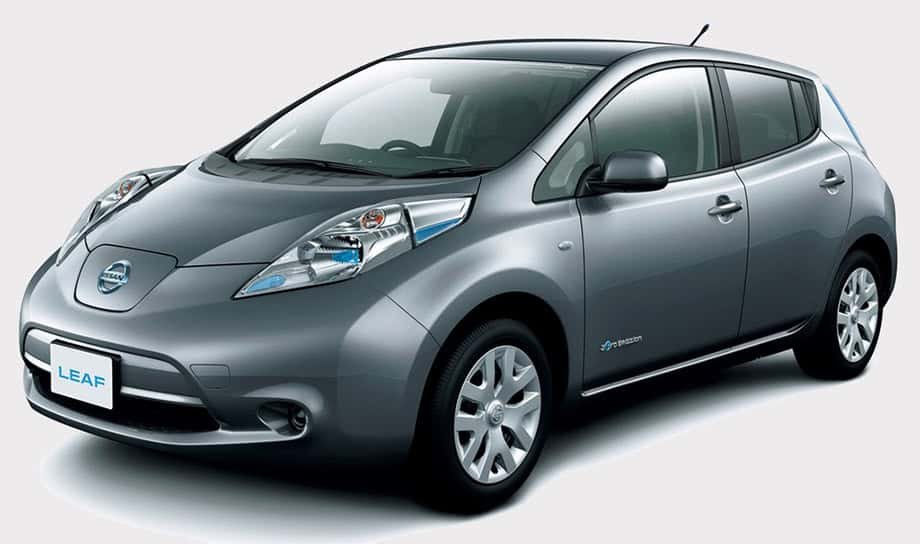
Leaf Model Generations
- ZE0 (2011–2012)
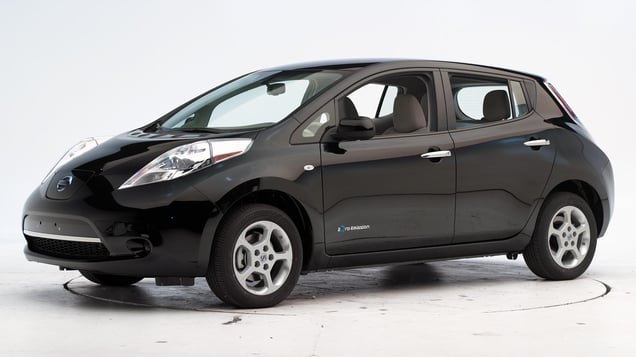
The original Leaf generation, easily recognized by its white interior and electric handbrake. These vehicles came with a 24 kWh battery pack.
- AZE0 (2013–2017)
- ZE1 (2018 and newer)
Battery Compatibility Between Models
The good news is that battery packs from different Leaf generations can be made to work in one another with some electrical modifications. Here’s a general compatibility breakdown:
Battery Pack Donor | ZE0 (2011–2012) | AZE0 (2013–2017) | ZE1 (2018–present) |
24 kWh (ZE0) | Direct swap | Compatible with minor adjustments | May require modification |
30 kWh (AZE0) | Compatible with modification | Direct swap or minor adjustment | Compatible with modification |
40 kWh (ZE1) | Compatible with modification | Compatible with modification | Direct upgrade |
62 kWh (Leaf e+) | Compatible with modification | Compatible with modification | Upgrade within same generation |
What This Means for You
- If you’re upgrading within the same generation (e.g. 24 kWh to 30 kWh within AZE0), the process is usually straightforward.
- f you’re moving between generations (e.g. upgrading a ZE0 to a ZE1 pack), it’s still possible but will require some electrical modifications to ensure everything communicates correctly.
- All Leaf battery packs up to 40 kWh share similar physical dimensions, making installation feasible. The 62 kWh pack is physically larger, but still upgradable with adjustments.
Required Tools and Equipment
Battery Weight Overview
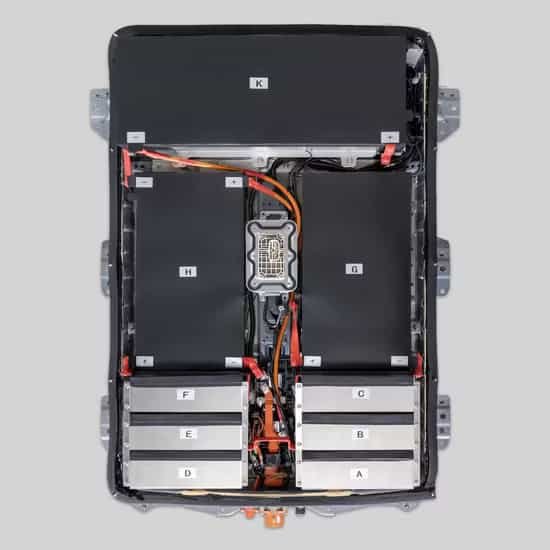
While the 24 kWh, 30 kWh, and 40 kWh packs are all the same physical size, the 62 kWh pack is taller and heavier. Here are the approximate weights:
Battery Pack | Weight (kg) | Weight (lbs) |
24 kWh | 277 kg | 601 lbs |
30 kWh | 294 kg | 648 lbs |
40 kWh | 303 kg | 668 lbs |
62 kWh | 410 kg | 903 lbs |
Mechanical Tools You’ll Need
-
Vehicle Hoist or Ramp (3 feet clearance):
For full underbody access. -
Hydraulic Lift Table (Rated 1000+ lbs):
To safely lower and raise the battery. -
High Torque Impact Wrench:
For removing stubborn or rusted bolts. -
WD-40 or Penetrating Oil:
To loosen rusted hardware. -
Underbody Lighting:
Ensure proper visibility while working under the car. -
Basic Hand Tools:
- Socket and wrench sets (metric)
- Torque wrench
- Insulated tools
- Trim removal tools
- Safety glasses and gloves
Electronic Parts That May Be Needed
CAN-Bridge (CAN-Gateway / Translator)
A CAN-bridge is essential for most upgrades. It translates communication between the newer battery’s control system and your Leaf’s existing vehicle computer.
-
Required for:
All battery upgrades (especially cross-generation) -
Purpose:
Enables proper battery recognition, safe operation, and charging -
Available From:
- Muxsan (Netherlands)
- EVs Enhanced (New Zealand)
- Dala’s EV Repair (Finland)
- Véhicules électriques
- Simon André (Canada)
- Canmost (Russia)
- Others (non-English sources)
B24 22-to-36 Pin Adapter
Only necessary for 2011–2012 ZE0 Leafs, this adapter bridges the change in battery connector types made after 2013.
-
Why it’s needed:
ZE0 models use a 22-pin battery connector, while newer packs use a 36-pin version. The pin count remains the same—only the connector housing differs.
Options for obtaining the adapter:
- Cheapest: Salvage the 36-pin connector from the donor battery and splice it into your existing wiring.
- Easiest: Buy a premade 22-to-36 pin adapter from Muxsan or EVs Enhanced.
- DIY: Purchase Yazaki parts and build your own:
- 36-pin connector: Yazaki 7287-1065-30
- Pins: 7116441708
- Available on sites like AliExpress.
LeafSpy Pro – A Must-Have Tool for Battery Upgrades
LeafSpy Pro is an essential diagnostic app for Nissan Leaf owners — especially when performing a battery swap or upgrade. It communicates directly with the car’s battery management system (BMS) via an OBD2 Bluetooth or WiFi adapter and allows you to monitor, reset, and troubleshoot key systems before and after installation.
What LeafSpy Pro Does
- Reads battery health (State of Health – SOH), capacity (kWh), and voltage levels
- Displays individual cell voltages and identifies weak or imbalanced cells
- Reads and clears diagnostic trouble codes (DTCs)
- Shows battery temperature sensors
- Enables P3102 pairing reset after battery installation
- Provides data logging for performance tracking
How It Helps During a Battery Swap or Upgrade
Before the Swap:
- Assess battery health of both your current and donor packs (check SOH, capacity, balance)
- Identify any fault codes that might interfere with a clean install
- Verify module voltages and temperatures to rule out defective cells
During the Swap:
- Use LeafSpy to monitor live voltage and temperature readings as you power the system on
- Check for unexpected voltage mismatches or communication errors
After the Swap:
- Clear the P3102 DTC fault code, which appears after battery installation
- Disable turtle mode (low power mode)
- Confirm proper charging recognition and capacity reporting
- Monitor SOH and driving range accuracy over the first few charge/discharge cycles
- Recalibrate the Guess-O-Meter (GOM) for accurate range estimates
How to Use LeafSpy Pro
- Buy a compatible OBD2 adapter (e.g., LELink, Vgate iCar Pro)
- Plug it into your Leaf’s OBD2 port (below the steering column)
- Download LeafSpy Pro from the App Store or Google Play:
- Android: LeafSpy Pro (Google Play)
- iOS: LeafSpy Pro (TestFlight required)
- Connect the app to the OBD2 adapter via Bluetooth or WiFi
- Begin diagnostics, live data monitoring, or DTC clearing
Pro Tip
When upgrading your battery, use the latest LeafSpy Pro version:
- Android: 0.46.172 or newer
- iOS: 1.7.44.15 or newer (TestFlight)
These versions support newer battery types and allow proper P3102 handling after a swap.

Battery Health and Range Expectations
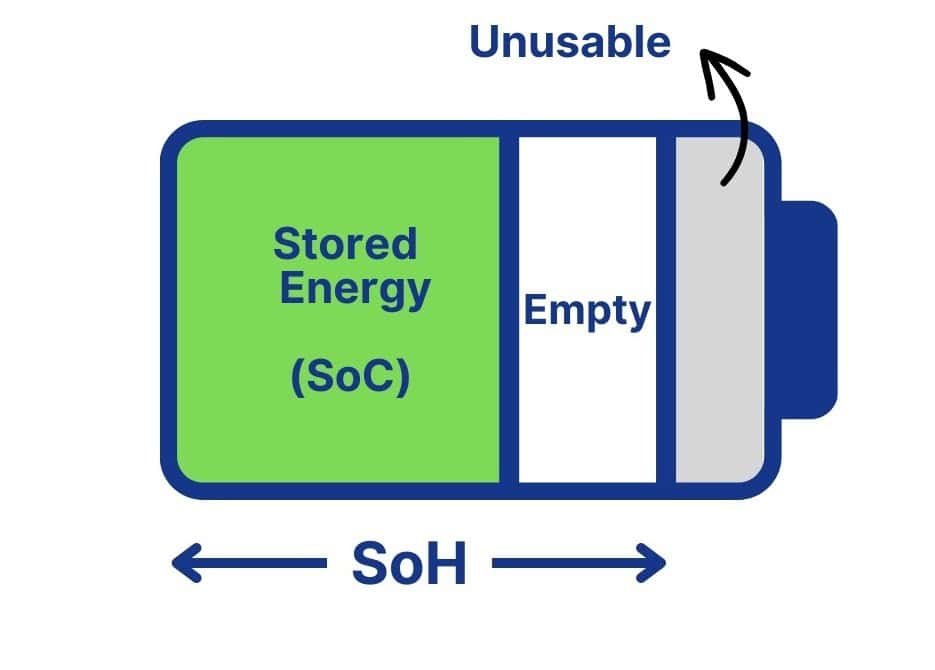
State of Health (SOH)
Is a percentage value that represents how much usable capacity your battery has compared to when it was new. For example, a 40 kWh pack with 90% SOH can store approximately 36 kWh of energy.
- 100% SOH: Battery is in new or like-new condition.
- 80–90% SOH: Typical for low-mileage used batteries.
- Below 70% SOH: May require reconditioning or replacement.
You can check SOH using apps like LeafSpy Pro, which connects via OBD2 and reads the battery management system (BMS). It also shows cell voltages, internal resistance, and temperature — all important indicators of pack health.
Real-World Range Expectations by Battery Size
| Battery Size | New Battery SOH (100%) | Estimated Real-World Range |
| 24 kWh | 21–22 kWh usable | 100–130 km (62–81 mi) |
| 30 kWh | ~27 kWh usable | 150–170 km (93–106 mi) |
| 40 kWh | ~37 kWh usable | 220–260 km (137–162 mi) |
| 62 kWh | ~56 kWh usable | 330–400 km (205–250 mi) |
Range Drop-Off and Cold Weather Performance
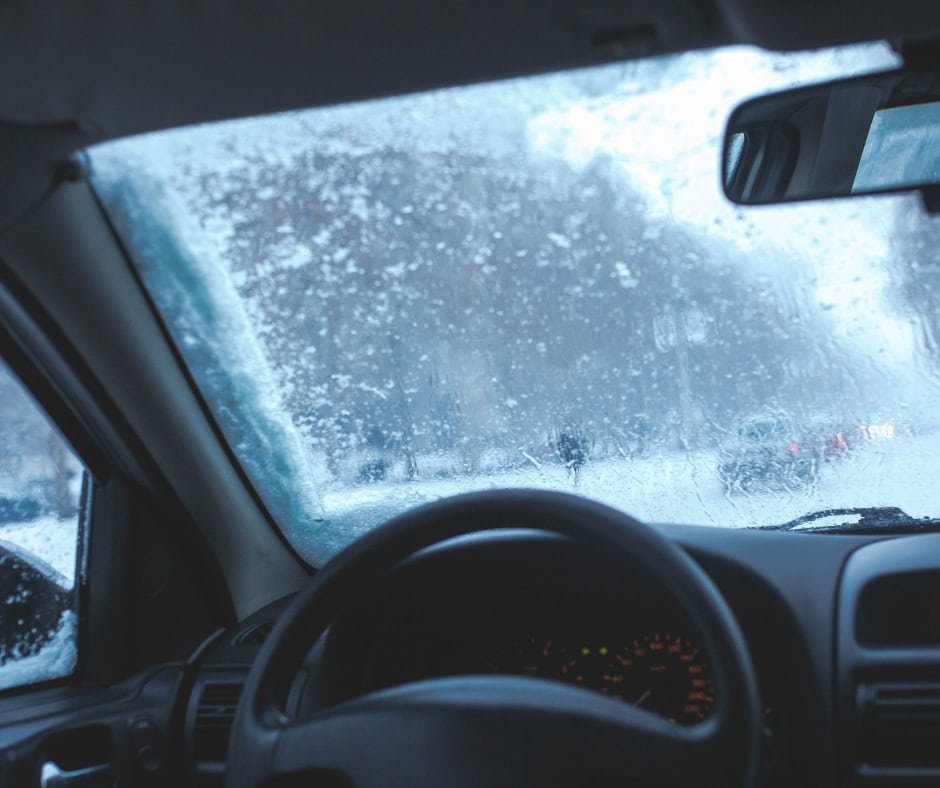
- Cold weather can reduce effective range by 15–30% due to battery chemistry and cabin heating.
- Heavily degraded packs (SOH < 70%) will show noticeable drops in acceleration and available power.
- Turtle mode (limited power mode) may activate on low or imbalanced packs — especially if the BMS can't properly read the new battery without a CAN-bridge.
After the Upgrade: What to Expect
- Range will not immediately reflect the full upgrade — it may take several full charge/discharge cycles for the system to recalibrate.
- LeafSpy or a GOM ("guess-o-meter") reset can help recalibrate range estimates after installation.
- If your Leaf still shows low range after a battery upgrade, check if the BMS was paired or if a CAN-bridge is actively translating data.
Tips for Maintaining Battery Health
- Avoid charging to 100% unless necessary for a trip.
- Keep the battery between 20% and 80% for daily driving.
- Minimize fast charging (DCQC) when not needed.
- Store the vehicle in a cool, shaded area during hot weather.
Cost Breakdown and Budgeting
Estimated Battery Pack Costs (Used Market)
24 kWh Battery Pack
- Cost: $1,000 – $1,500
- Most affordable option, often pulled from early-model Leafs.
30 kWh Battery Pack
- Cost: $1,200 – $1,800
- Slight range improvement over 24 kWh with minor upgrade complexity.
40 kWh Battery Pack
- Cost: $2,400 – $3,000
- A popular upgrade choice offering double the original range in older Leafs.
62 kWh Battery Pack
- Cost: $5,500+
- Highest capacity, premium pricing, and typically requires more vehicle modifications.
Additional Parts and Components
CAN-Bridge (CAN-Gateway/Translator):
- Translates signals between newer battery packs and older Leaf control systems
- Price range: $300 – $1,000+ depending on brand and features
B24 22-to-36 Pin Adapter (for 2011–2012 ZE0 only):
- Connects newer battery packs to older harnesses
-
Options:
DIY (cut harness): Minimal cost if salvaged
Prebuilt adapter: $200 – $400
Custom harness build (Yazaki components): Varies based on sourcing
Summary of Typical Upgrade Budget (USD)
| Upgrade Path | Battery Cost | Adapter + CAN-Bridge | Total (Est.) |
| 24 kWh (same-gen swap) | $1,000 – $1,500 | $0 – $300 | ~$1,000 – $1,800 |
| 30 kWh Upgrade | $1,200 – $1,800 | $200 – $700 | ~$1,400 – $2,500 |
| 40 kWh Upgrade | $2,400 – $3,000 | $300 – $1,000 | ~$2,700 – $4,000 |
| 62 kWh Upgrade | $5,500+ | $500 – $1,500 | ~$6,000 – $7,500+ |
Resources and Community Support
Dala's EV Repair (Finland)
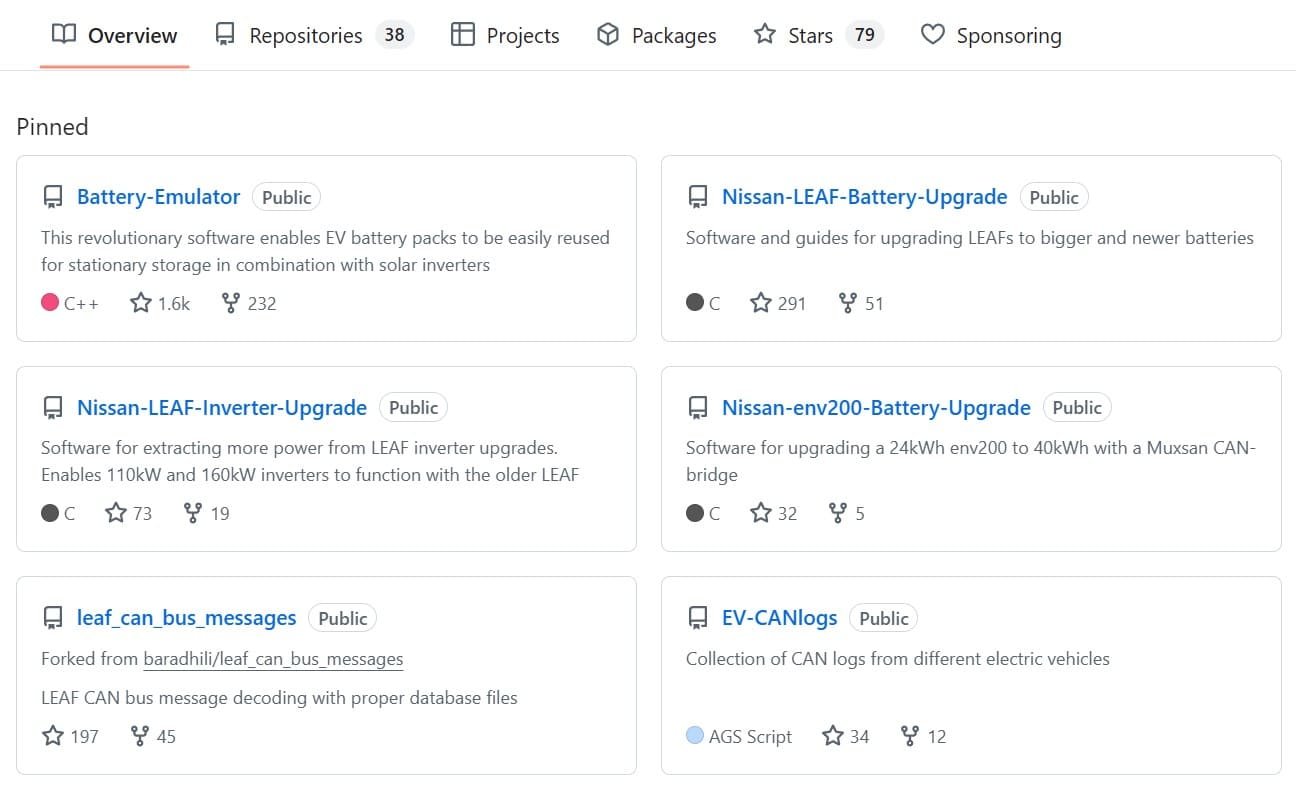
Dala is a well-known EV enthusiast and engineer who has contributed significantly to the DIY Nissan Leaf upgrade community. His work includes:
- Open-source CAN-bridge solutions
- Wiring diagrams
- GitHub documentation
- YouTube walkthroughs for battery swaps and software tweaks
Links:
- Website: https://dalasevrepair.fi
- GitHub: https://github.com/dalathegreat
- YouTube Channel: Dala’s EV Repair on YouTube
EVs Enhanced (New Zealand)
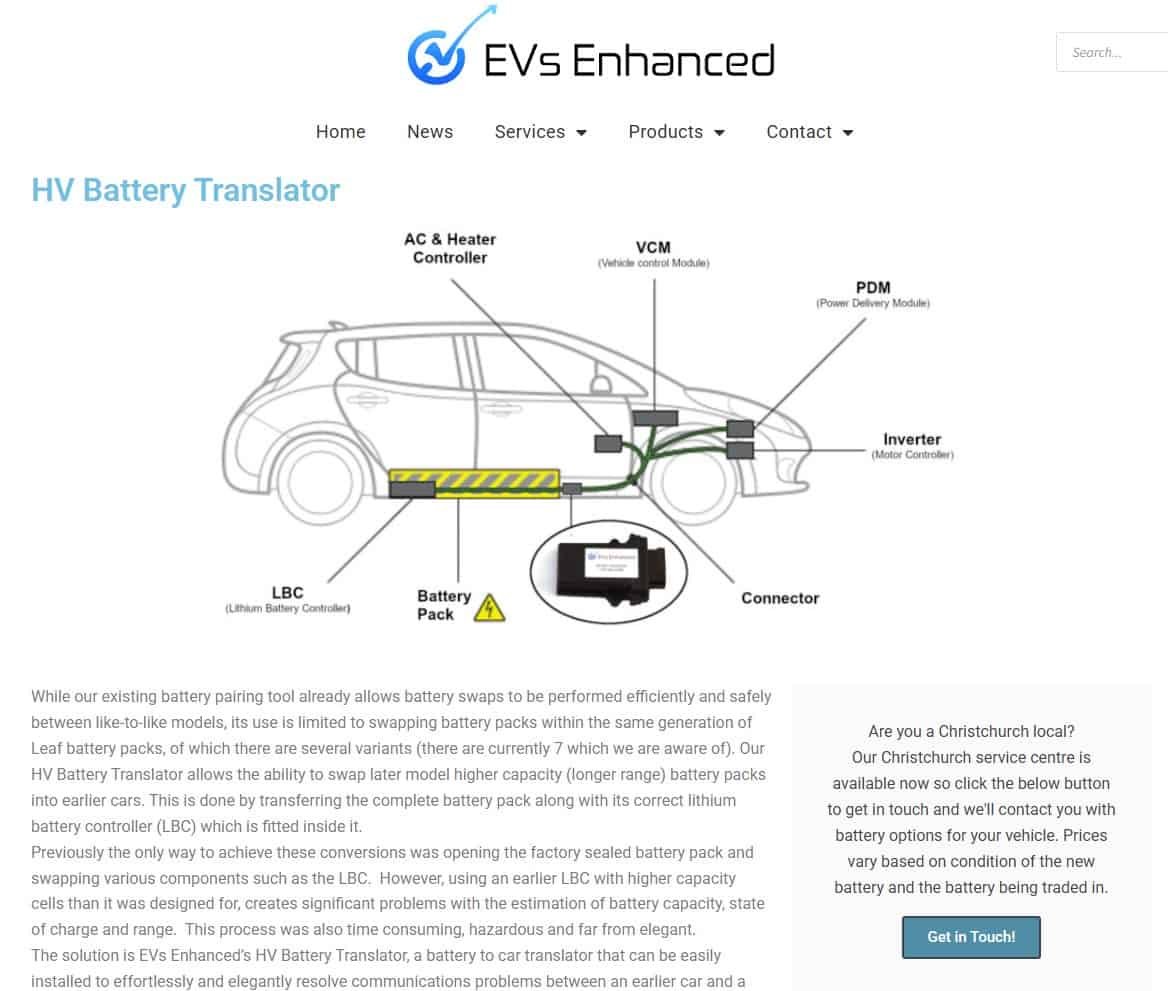
EVs Enhanced offers professional-grade hardware and upgrade solutions, including:
- CAN-bridges
- Pre-built B24 adapters
- HV battery translators
- BMS reset tools and instrumentation upgrades
Ideal for those seeking reliable, plug-and-play solutions.
Links:
- Website: https://evsenhanced.com
- Product page for battery translator: https://evsenhanced.com/products/battery-translator
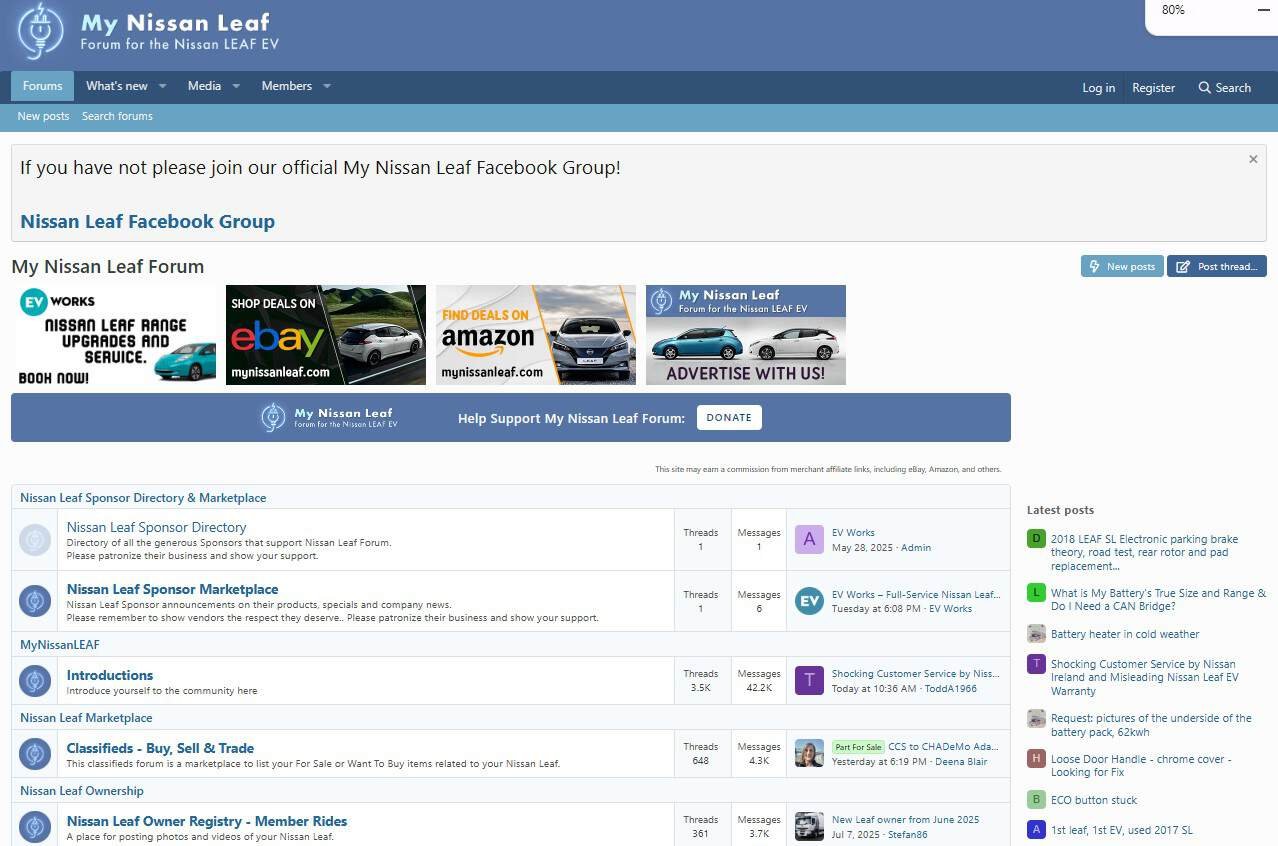
Nissan Leaf Forums
A long-running online community with thousands of Leaf owners and EV enthusiasts discussing:
- Battery health and upgrade experiences
- DIY guides and troubleshooting
- Compatibility between models and parts
Great for learning from real-world experience and finding archived technical advice.
Link:
- Forum: https://mynissanleaf.com
Facebook Groups and Communities
Facebook groups are extremely active and helpful for getting quick feedback, second opinions, and visual step-by-step guides from the community. Some popular groups include:
- Nissan Leaf Owners Group
https://www.facebook.com/groups/nissanleaf - Nissan Leaf Tech Talk
https://www.facebook.com/groups/nissanleaftechtalk - EV Battery Upgrades & Conversions
https://www.facebook.com/groups/evbatteryupgrades
Bonus: YouTube Guides and Builds
In addition to Dala, other YouTube creators regularly document Leaf battery upgrades and provide tutorials for:
- LeafSpy diagnostics
- CAN bus wiring
- Lifting and safety procedures
Search terms like “Nissan Leaf 40kWh upgrade” or “Leaf CAN-bridge install” will bring up a wide variety of helpful content.
Final Thoughts and Recommendations
Upgrading your Nissan Leaf battery is one of the best ways to extend the life, usability, and resale value of your EV. But like any major repair or investment, it’s important to go in with realistic expectations and a long-term perspective.
Batteries (Like Tires and Brakes) Don’t Last Forever
Even if you install a higher-capacity or newer-generation battery, all lithium batteries degrade over time. Heat, charge cycles, driving style, and storage conditions all impact longevity.
- Used batteries may already show State of Health (SOH) below 90%
- A 40 kWh pack with 80% SOH still performs well — but it won’t match the range of a brand-new one
- When buying a used battery, check the total kilometers it was used for, as that is one of the best indicators of wear
Cost vs Value
Upgrading your Leaf is almost always worth it — especially when done carefully and affordably. However:
- Spending $10,000+ on a shop install for a $3,000 car may not make sense unless you’re doing it for passion, range, or to avoid buying a new EV
- A DIY install or working with a skilled independent technician can cut that cost significantly
Budget smart, and you’ll enjoy a reliable, high-range EV for years without breaking the bank.
2011–2012 ZE0 Leafs
The original ZE0 models (2011–2012) present additional quirks:
- The software isn’t fully compatible with newer batteries out-of-the-box
- After an upgrade, you may notice:
- Dashboard charge bars (12-segment) don’t behave normally
- Bars may decrement incorrectly or scale improperly after charging
- These issues are cosmetic and don’t affect driveability, but:
- They can be fixed with a VCM (Vehicle Control Module) reflash
- Or you can add a second CAN-bridge to correct the dashboard output
Some translator vendors (like EVs Enhanced or Dala’s open-source community) offer improved solutions that help mitigate this.
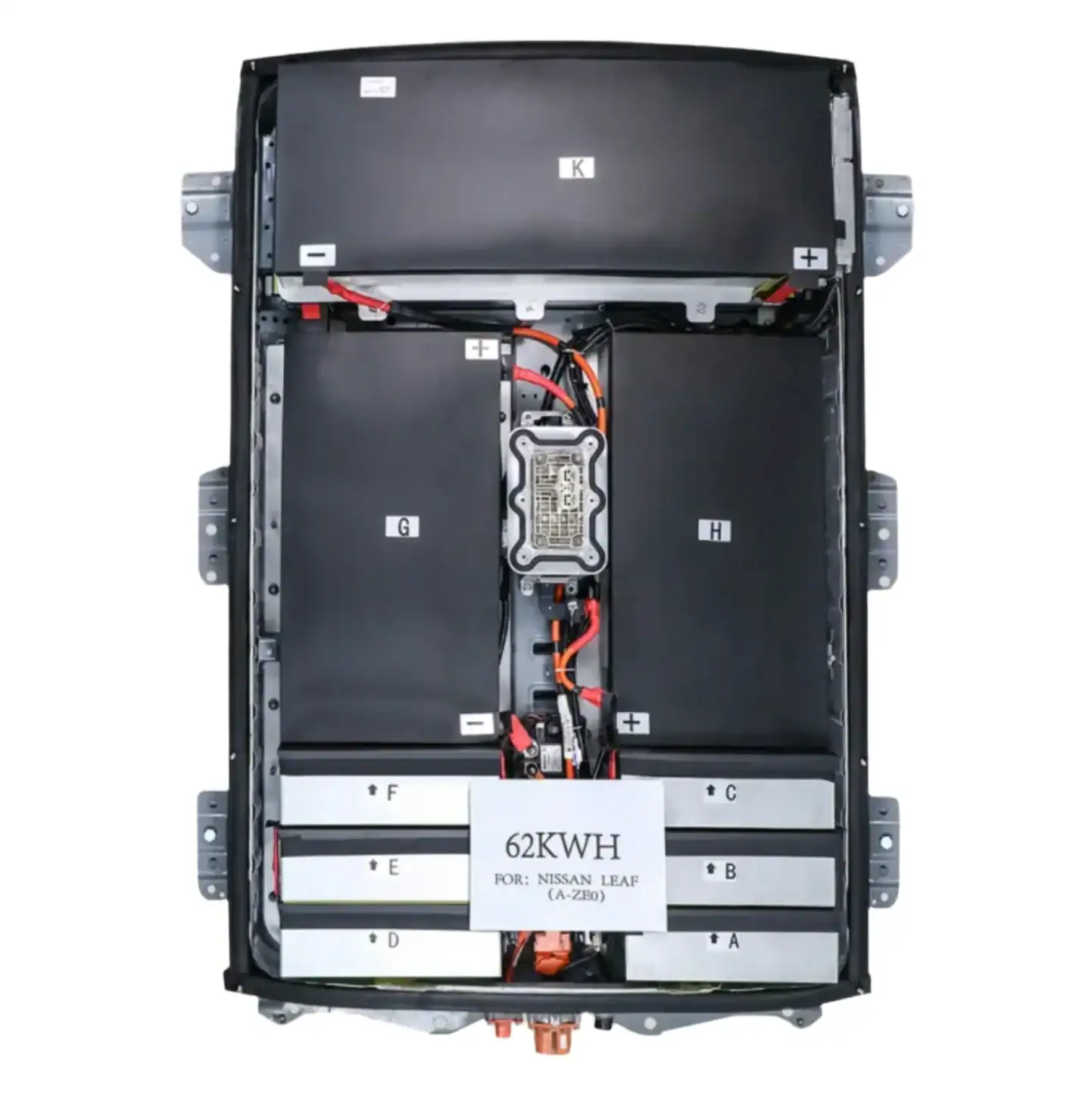
62 kWh Upgrades
The 62 kWh battery from the 2019+ Leaf e+ offers incredible range, but requires physical and legal considerations:
- It is taller and heavier, requiring:
- Spacers to mount properly
- Rear spring replacements (OEM e+ or custom)
- Splash shield undertray upgrade to match the new battery profile
- Ground clearance drops slightly (~40mm), which may be illegal in some countries
- The extra weight may require vehicle re-certification
If you’re aiming for the longest possible range and are comfortable with the modifications, it’s a solid upgrade — just be sure to understand the added complexity.
Final Recommendation
If your Leaf still suits your lifestyle and needs, a battery upgrade can be transformative. You’ll gain:
- Better range
- Faster acceleration
- Renewed confidence in your EV
Just be sure to choose the right battery size for your goals, research compatibility, and budget realistically. Whether you’re taking the DIY route or going through a trusted shop, planning carefully will help you make the most of your Leaf for many more years to come.