














iHybrid Favicon | Lower Mainlad

EV and Hybrid Battery Replacement

Why You Should Not Reset the “Check Hybrid System” Warning Light

Alec Sharma | iHybrid Battery Team

Alec Sharma

Founder of iHybrid Battery

Related News

Advanced Battery Management Systems: How Smarter BMS Technology Is Changing Batteries

August 28, 2026

Different Types of Batteries Used in Electric Vehicles (EVs)

August 21, 2026

Why Is the Battery Management System (BMS) So Important in an Electric Vehicle?

August 18, 2026

The Hidden Factors That Shorten EV Battery Life (And How to Prevent Them)

July 14, 2026

Why Cell Balancing Is Critical in an EV Battery Pack

July 3, 2026

Introduction

Modern hybrid vehicles are marvels of engineering, combining internal combustion engines with electric motors to deliver fuel efficiency and eco-friendliness. However, like any sophisticated system, they require proper maintenance. One of the most critical alerts you may encounter in a hybrid vehicle is the “Check Hybrid System” warning light. While it might be tempting to reset the warning light and move on, this approach can lead to serious consequences. Here’s why you should address the issue instead of ignoring or resetting it.

What Does the "Check Hybrid System" Warning Light Mean?

The “Check Hybrid System” warning light is a notification from your vehicle’s onboard diagnostics system indicating a potential issue with the hybrid components. This could involve:

Why You Should Not Reset the Warning Light

While hybrid batteries degrade naturally over time, proper care can extend their lifespan:

Underlying Issues Remain Unresolved

Resetting the warning light doesn’t fix the problem—it simply hides the alert. The underlying issue may continue to worsen, potentially leading to costly repairs or even system failure.

Risk of Complete System Failure

Ignoring the light could cause the hybrid system to fail entirely while driving, leaving you stranded and possibly damaging other components in the process.

Safety Concerns

The hybrid system plays a vital role in your vehicle’s overall safety. If a fault is left unaddressed, it could compromise critical functions, such as regenerative braking or power delivery, putting you and other road users at risk.

Damage to the Hybrid Battery

A failing hybrid battery can generate heat, overwork the system, or result in inconsistent power delivery. Resetting the warning light without resolving the issue may cause irreversible damage to the battery, which is one of the most expensive components of a hybrid vehicle.

Voiding Your Warranty

If your hybrid vehicle is still under warranty, resetting the warning light without investigating the issue could void your coverage. Manufacturers typically require proper diagnostics and repairs by authorized professionals.

Impact on Resale Value

Persistent issues in the hybrid system can leave diagnostic footprints, even if you reset the warning light. Prospective buyers or dealerships may uncover these records during an inspection, reducing your car’s resale value.

Understanding these subcodes is essential for accurate diagnosis and repair.

What Should You Do Instead?

Check for Diagnostic Trouble Codes (DTCs)

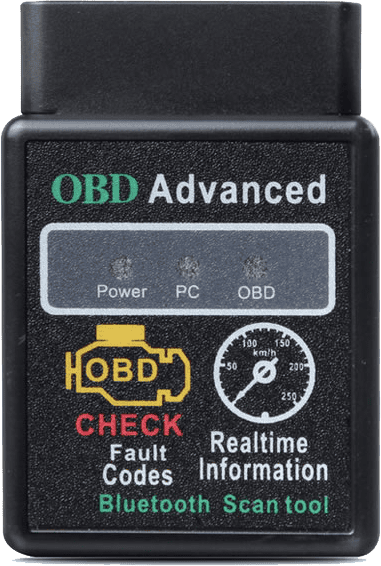
Use an OBD-II scanner to retrieve error codes associated with the warning light. These codes provide insight into the exact problem with the hybrid system.

Visit a Certified Mechanic

Take your vehicle to a mechanic or dealership experienced in hybrid systems. They have the tools and expertise to diagnose and repair complex hybrid components.

Address Issues Promptly

Once the issue is identified, resolve it immediately to prevent further damage or safety risks.

Regular Maintenance

Preventive care, such as periodic hybrid battery checks, software updates, and system inspections, can help avoid unexpected warning lights.

Real-World Example:
Ignoring the Warning Light Led to Costly Repairs

Case 1: Trouble code P0A84

A driver of a hybrid vehicle noticed the “Check Hybrid System” warning light but decided to reset it using an OBD-II scanner, assuming it was a minor issue. Over time, the vehicle began experiencing reduced performance, culminating in a complete system failure on the road. Upon inspection, it was discovered that the hybrid battery had been overheating due to a faulty cooling fan. The repairs cost over $4,000, which could have been avoided with a $150 fan replacement had the issue been addressed earlier.

Case 2: Trouble code P0A80

Trouble Code P0A80 is a common diagnostic trouble code (DTC) in hybrid vehicles, indicating that the hybrid battery pack has deteriorated and needs replacement. This is a critical warning, and ignoring or simply resetting the code without addressing the underlying issue can lead to serious consequences. This code if resetted numerous time will cause the battery to get completely destroyed and at one point it cannot be reset anymore or car wont start

Conclusion

The “Check Hybrid System” warning light is a crucial alert designed to protect your vehicle and ensure its efficiency and safety. Resetting the warning light without addressing the root cause is a risky move that can lead to expensive repairs, safety hazards, and reduced vehicle performance. When this light triggers, treat it as a call to action. Prioritize proper diagnostics and repairs to keep your hybrid running smoothly for years to come.

By taking timely action, you not only safeguard your investment but also contribute to a more sustainable driving experience.