
Founder of iHybrid Battery
Upgrading high-voltage batteries across model years is often assumed to be complex, software-locked, or impractical. In reality, with the right understanding of hardware differences, it can be surprisingly straightforward.
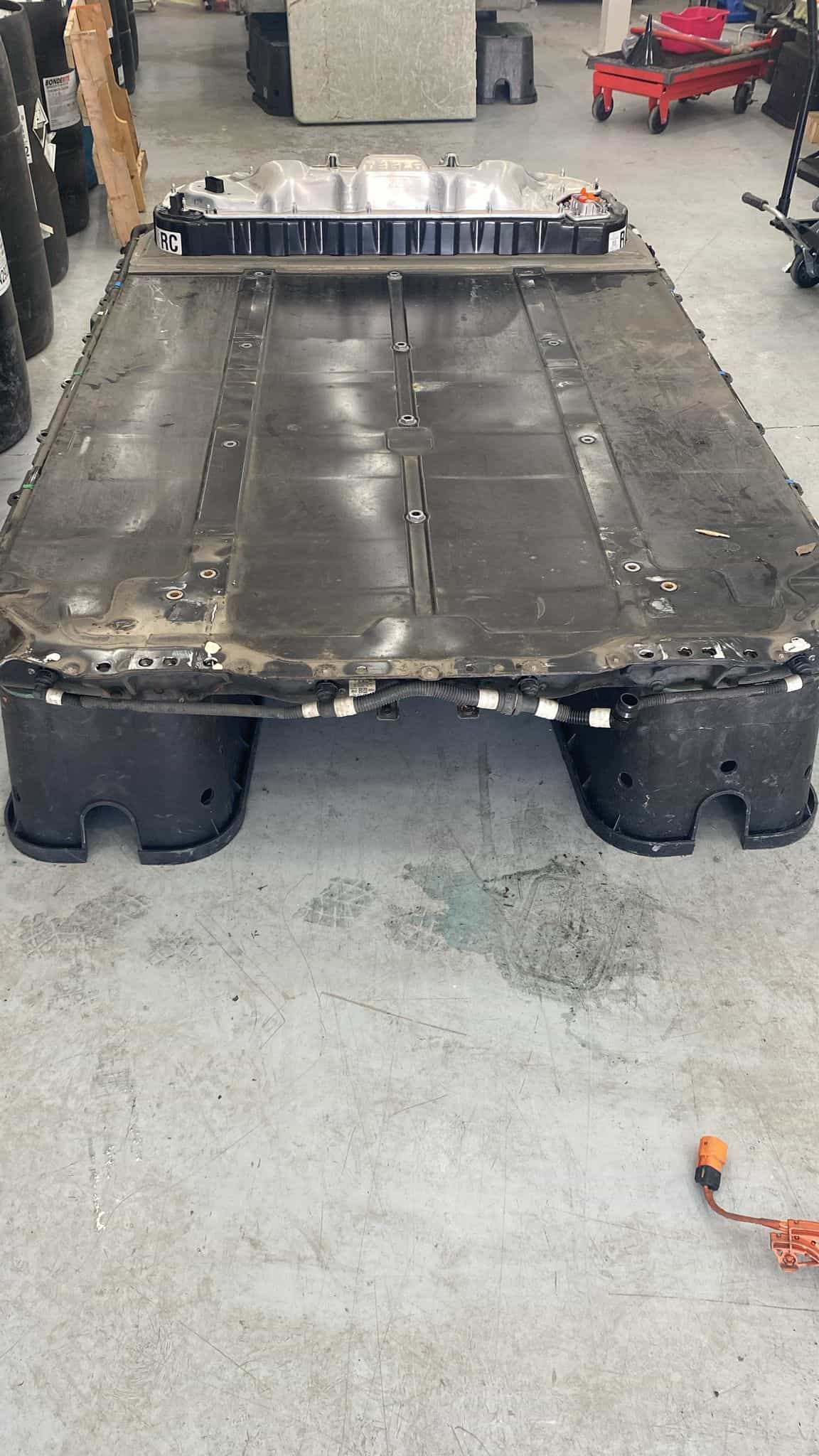
In this project, I successfully installed a 2021 high-voltage (HV) battery into a 2019 Tesla Model 3 Standard Range vehicle. The swap worked reliably with only two required modifications. Everything else was true plug-and-play.
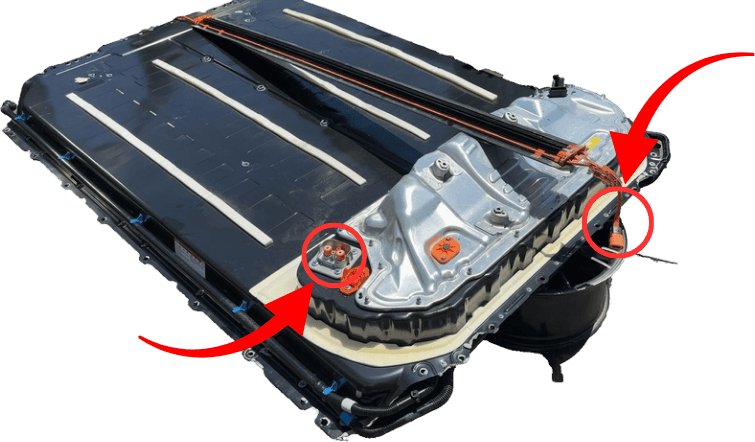
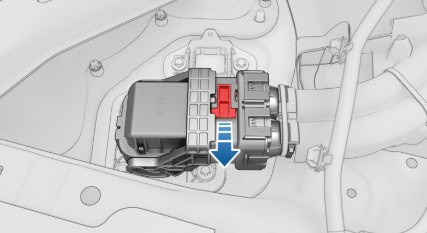
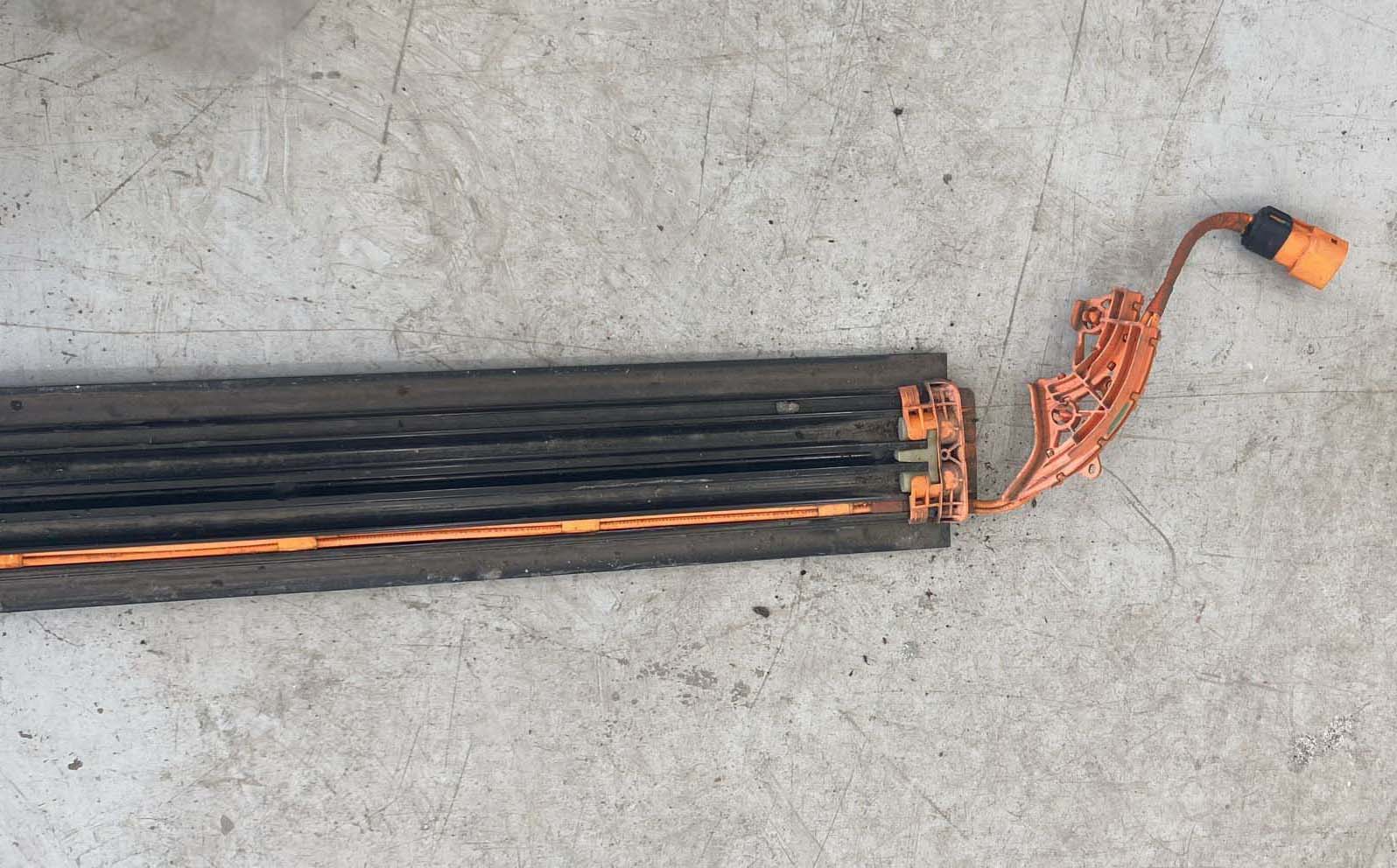
This is the high-voltage accessory wiring used in the 2021 Tesla Model 3. It uses a single connector to supply power to the PTC heater.
In the 2018 Tesla Model 3, the PTC heater is powered through a separate high-voltage cable. Because of this difference, when performing a battery swap, the high-voltage accessory wiring from the 2021 battery must be removed and replaced with the corresponding wiring from the 2018 high-voltage battery.
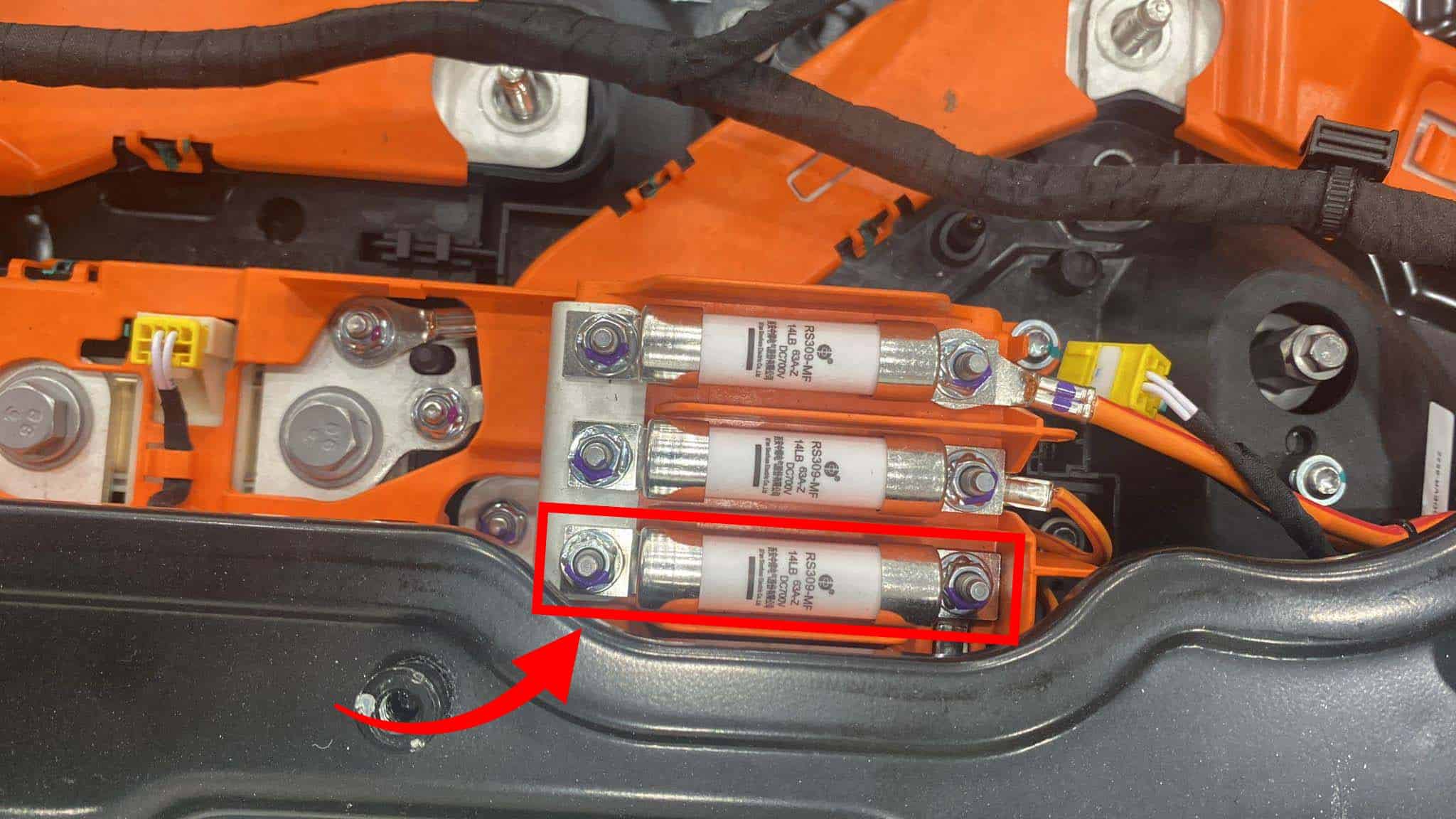
In addition, the PTC heater fuse must be installed if it is not already present. This fuse is required to ensure proper circuit protection and correct operation of the PTC heating system.
For technicians, rebuilders, and EV battery specialists, this confirms that cross-year Tesla Model 3 battery upgrades are feasible with proper attention to subsystem differences.
When we install a 2021 Model 3 HV battery into a 2018 Model 3, this fuse supplies power to the PTC heater, which heats the cabin in the 2018 car. This fuse is not required in the 2021 Model 3, so many times it is not present. Therefore, we have to move the fuse from the 2018 car to the 2021 battery.
On all orders
30 days money back guarantee
Offered in North America
MasterCard / Visa