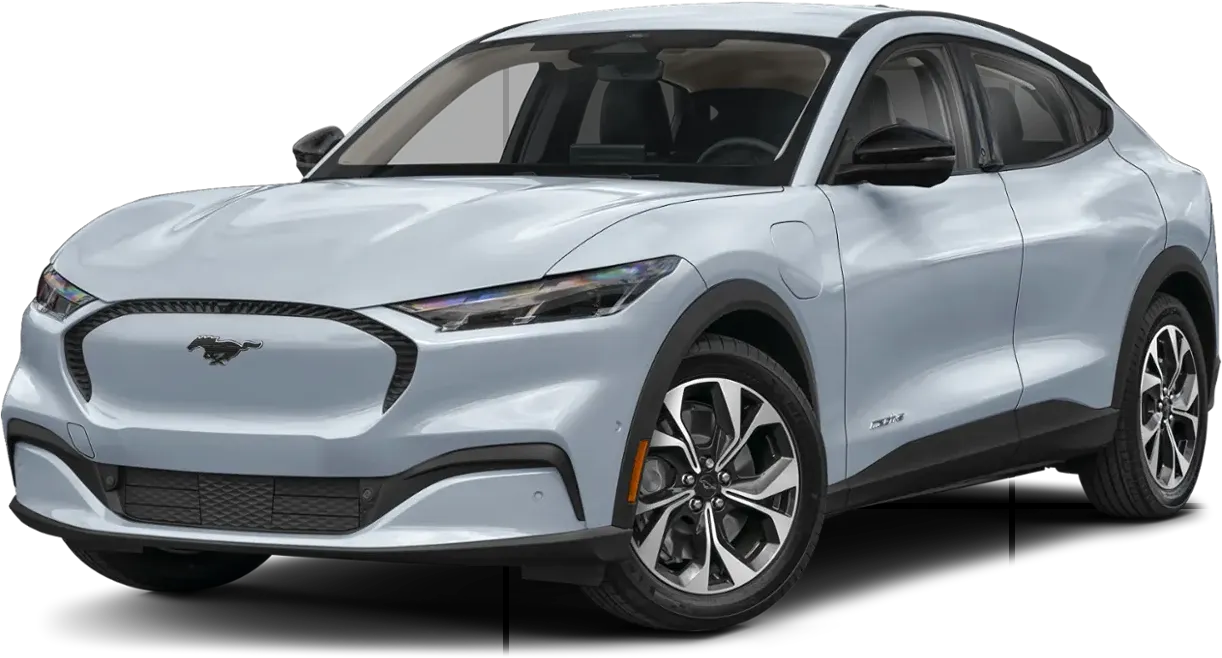
Ford Mustang Mach-E Battery Repair & Replacement
Ford Mustang Mach-E EV battery diagnostics, repair assessments and replacement. Understand your battery fault and explore the options available for your vehicle.
EV Battery Solutions for Mustang Mach-E Owners
Battery Diagnostics
Repair Assessment
Replacement Options
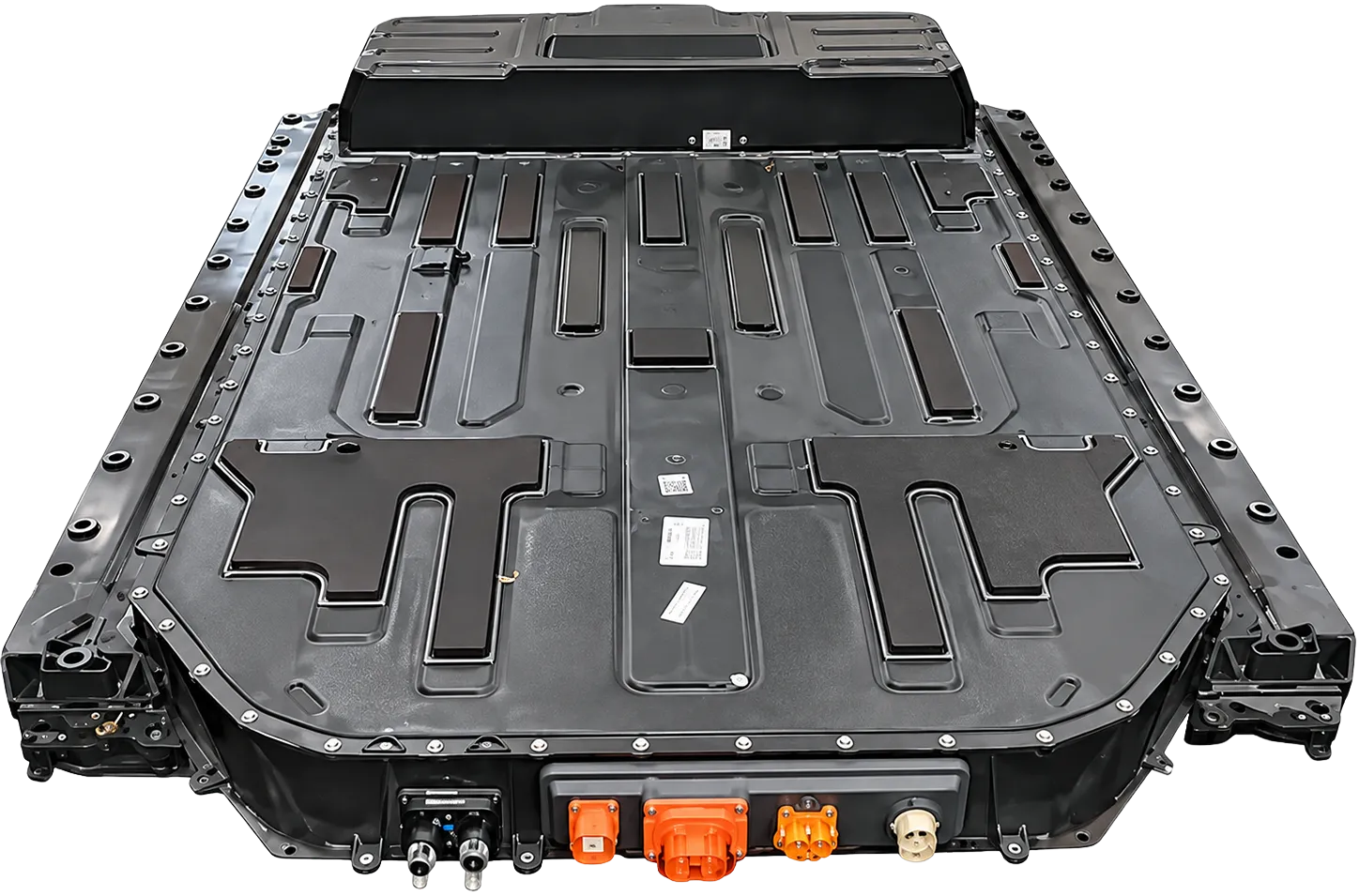
2024 Ford Mustang Mach-E EV Battery
Vehicle
Model year
Powertrain
Configurations
Battery chemistry
Price & availability
Why Battery Design Matters
Understanding the pack configuration helps technicians determine:
- Which diagnostics are relevant
- Whether the fault is inside or outside the pack
- Whether individual components may be serviceable
- Whether a proposed replacement is compatible
Battery Technology
How the Mustang Mach-E
High-Voltage Battery Works
The Mustang Mach-E battery system stores energy for propulsion and supports charging, power delivery and temperature management.
- Battery cells and modules: organize energy storage within the pack.
- Battery Management System (BMS): monitors battery operating conditions and supports protective functions.
- Liquid thermal management: helps regulate battery temperatures.
- High-voltage connections and controls: distribute and manage electrical power.
Battery architecture differs across model years and configurations. iHybrid Battery checks vehicle-specific details before discussing repair or replacement.
Our Diagnostic Process
From Battery Warning to a Clear Next Step
STEP 01
Tell Us What Happened
STEP 02
Review Battery Data
STEP 03
Discuss Your Options
Repair or Replace?
The right solution depends on diagnostic findings, the specific battery design, safety requirements, and the availability of compatible parts.
A full-pack replacement may be appropriate when internal damage is extensive or a reliable component-level repair is not feasible.
Repairability
Not Every Battery Fault Requires a New Pack
Some battery designs permit component-level assessment. However, the possibility of repairing a module, sensor, connection or other internal component must be established for the specific vehicle.
- Review fault codes and symptoms
- Check relevant electrical and thermal data
- Assess battery condition and repair feasibility
- Compare repair and replacement options
Common Concerns